


Blog
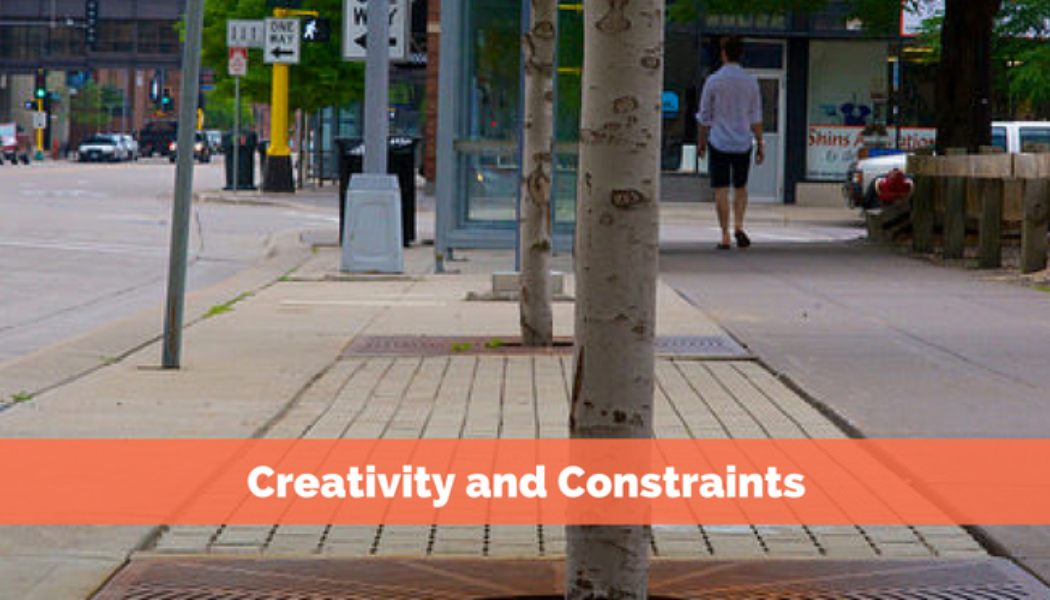

Creativity and Constraints
Remarkable Objects, hosted by Leda Marritz, Creative Director at DeepRoot, is a new podcast about the intersection of nature and urban design. In each episode, we will hear from leaders and innovators whose work aims to influence the way we think about, design, and build the urban environment. (Lead Photo: Marquette & 2nd Avenue Busway Project by Alyn Divine for DeepRoot) With the threat of unpredictable weather and increased rainfall intensity, officials are adapting their cities’ infrastructure to a changed climate. Similar to other parts of the country, Minnesota cities have been focusing their efforts on stormwater systems, moving away from their dependence on traditional storm sewer systems and towards a more natural approach. While the concept of accommodating stormwater ma...Read More


Fontys University of Applied Sciences Provides The Perfect Campus Escape
Article by Amrita Slatch – A review of Fontys University of Applied Sciences by Mecanoo, in Eindhoven, Netherlands. We all wish to study at an institute that gives us a very inspiring ambiance to study in. And usually, it’s the campus area that provides for such thinking. But one always wonders; what are the nuances that help shape such spaces? Spaces that not only make students feel stimulated with ideas but also make the entire process enjoyable to come to. One such institute in the Netherlands has just done exactly that. Let’s find out how it’s done at the Fontys University of Applied Sciences. Fontys University of Applied Sciences The Boring Parking Lot Earlier, the entrance to this institute was through a parking lot. It was realized that due to this, the space became very inac...Read More
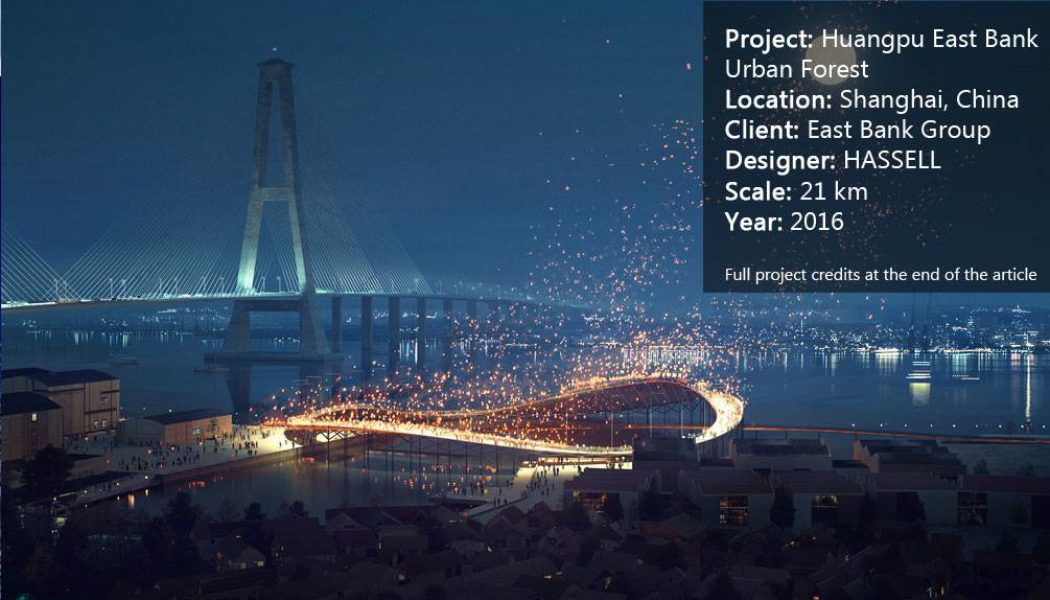

Company Profile: HASSELL
Landscape Architects Network feature a company profile for HASSELL . With social development getting more advanced than ever, projects around the globe have become more complicated. Established more than 75 years ago in Adelaide, South Australia, this award-winning company has strived to provide the best solutions in these challenging and competitive times. HASSELL has delivered over a million square metres of workplace design for over 1000 clients. At the same time, it has participated in different competitions including this one; It was also ranked 25th in the 2010 World Architecture survey of the world’s 100 biggest architecture practices, indicating the status of the company. The Expansion of HASSELL Having expanded into South East Asia and the United Kingdom, HASSELL recruits in...Read More


10 Things that Need to be Considered in Ecological Planning & Design
Article by Paul McAtomney – We take a moment to consider 10 things that need to be considered in ecological planning and design. The forces of current global conditions hovering over the human race today—population densification and growth, unbridled urbanization, changing climatic conditions, food production, and biodiversity loss to name but a few, alter ecosystems and cause environmental damage from the local to the global. To address these conditions, many landscape architects are shifting to a more systems-based and ecologically-driven approach to the design of the contemporary landscape. For those unversed in ecological planning and design, here are 10 things to consider. Ecological Planning & Design 1. Ecological Context As with any piece of design, context is everything. ...Read More


No Higher Stakes
Landscape architects are skilled facilitators, listeners and translators of diverse information into meaningful action. Are we good at adaptation? The dynamic conditions that we preach about in nature also apply to our social world. Certainly, dynamic conditions revealed themselves last week with our national election. Can we adapt to the information that’s been revealed? We are proud stewards of land and communities, and alarm bells have been going off about increasing income gaps, fear between racial groups, personalized social media and the echo chamber of information, and the divisive role each of these can play in communities. How should our daily work and lives respond after seeing these issues laid out so clearly before us? There may be some answers in an organization called EcoDist...Read More


Why Make London the First National Park City?
Article by Terka Acton – We take a closer look at one of Europe’s most major cities and ask the question “Why Make London the First National Park City?”. London is famously one of the world’s most crowded and frenetic cities, so it may come as a surprise that there is a growing movement to make it the first ever National Park City. In fact, the city’s habitat is startlingly diverse: More than 8 million humans co-exist with 13,000 species of wildlife living in 3,000 parks, 30,000 allotments and community gardens, 36 sites of special scientific interest, and 142 nature reserves, as well as in wasteland and the 3.8 million gardens that cover 24 percent of the capital. In total, 47 percent of London is green space. So What is a National Park City? The campaign prospectu...Read More


10 of The Best Tourist Spots for Landscape Architecture Around the World
Article by Sophie Thiel – We take a moment to recap 10 incredible landscape architecture projects that also make great tourist spots about the world. The combination of landscape architecture and traveling gives all of us a great opportunity to view the world from a nature-centered perspective, as well as to immerse ourselves in the many different cultures and traditions of our global family. This article is the last of our “Tourist Spots for Landscape Architecture” series. (Links all at the bottom of the article). The previous articles shared collections of 10 landscape architecture projects from each of the world’s continents that also make for must-see tourist destinations. To finish the series, I have summarized the most incredible of these tourist spots: Landscape Architecture ...Read More


Solar Farms Could Be A Huge Opportunity For Landscap Architects
We take a look at solar farms. Looking at how they could be a huge opportunity for landscape architects in the future. Consumer behavior changes rapidly when prices fall low enough. The price of solar panels have now hit historic lows and that is expected to change energy generation forever. The US Department of Energy predicts that solar panels will cost one-fourth the current price by 2020. The panels could lose 10% of their value every year for the next decade, according to UK researchers. With massive demand and lower prices, the renewable energy boom could prove to be lucrative for landowners and landscaping businesses. Solar Farms Over the next three years, more than 100,000 acres are expected to be brought under management as solar farms in the United States. States and corporations...Read More
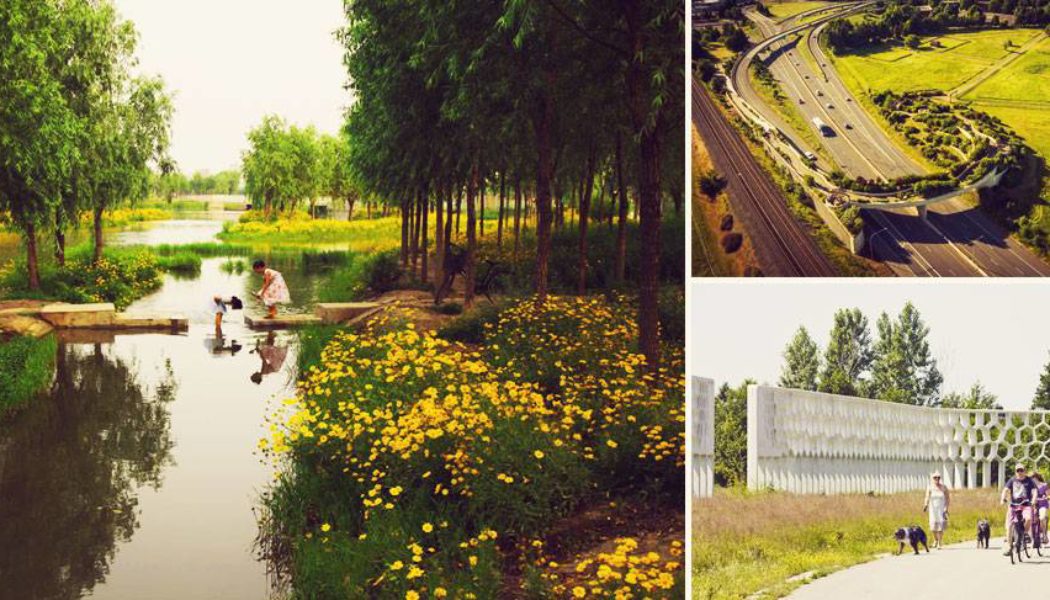

10 of the Best Ecological Designs in the World
Article by Kamil Rawski – We take a moment to explore 10 of the best ecological designs in the world and look at how they merged with their environment. It is hard to choose only 10 designs from among hundreds, even if we are just considering the most ecological ones. First, we have to think about what it means to be ecological. I have tried to choose projects that represent aspects such as increasing biodiversity, protecting the environment, changing (or healing) polluted sites, using sewage systems intelligently, supporting water retention, and connecting people with nature. How many of these can be combined in one project? Aesthetical features also must be taken into consideration. Human interference in nature is not always a catastrophe. When the designers have skills and care a...Read More
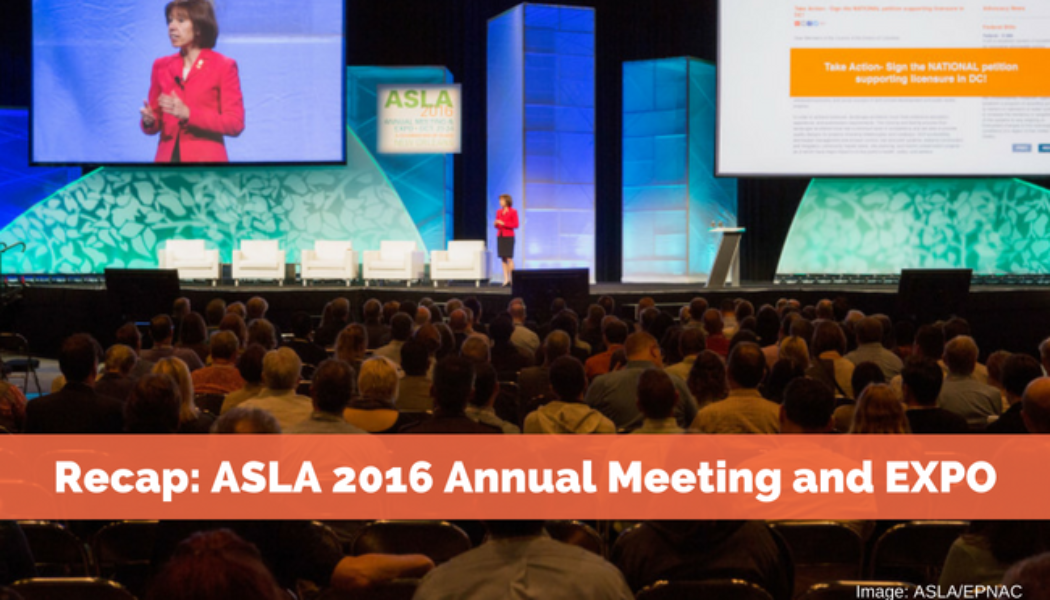

Recap: ASLA 2016 Annual Meeting and EXPO
New Orleans is one of the few distinctly diverse places in the United States where there exists a rich sense of place. From a history rooted deeply in its multi-cultural backgrounds derived from French, Spanish, Haitian, African, German, and Irish peoples. This bouillabaisse, of sorts, has come together over the past few centuries to become a place that many people love to call home and to travel. There might have been a few places so fitting to host this year’s ASLA (American Society of Landscape Architects) Annual Meeting with the tagline ‘A Celebration of Place.’ Attendees began arriving as early as Wednesday and Thursday to spend time traveling the city sampling and tasting the local Cajun food and po’ boys and to visit the lush landscapes and habitats that make up a small portion of t...Read More
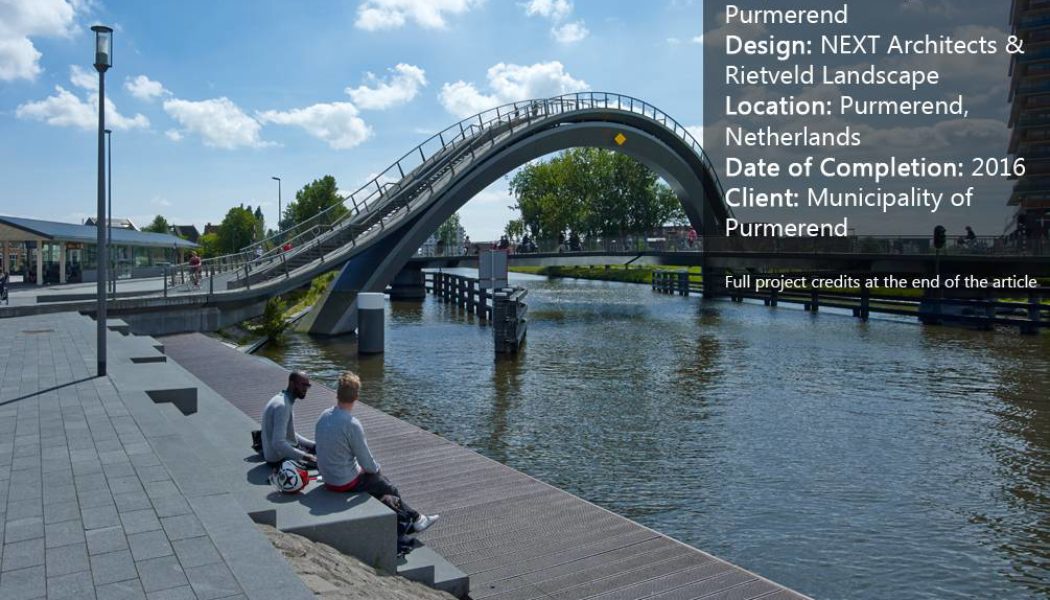

Tram Square Purmerend Shows us What it Means to Design with Integrity
Article by Eleni Tsirintani – Tram Square area in Purmerend by NEXT Architects & Rietveld Landscape, in Purmerend, Netherlands. Tram Square, or Tramplein in Dutch, is located along one of the main accesses to the town of Purmerend next to one of the canals crossing the city, the Noordhollandsch Kanaal. The Square has been designed by the Amsterdam-based office, NEXT Architects. Purmerend is a town in the North of Holland. It is surrounded by *polders, the characteristic entities of Dutch landscape indicating reclaimed land surfaces. Therefore water has always been present as a limit/defining element of the landscape. This condition has also affected the Tram Square design. *A polder is a tract of low land, especially in the Netherlands, reclaimed from the sea or other body of wat...Read More


10 of the Best Green Roof Designs in the World
Article by Cristina Ferrara – We explore 10 of the best green roof designs in the world, looking at what makes them so special and how they impact their environment. As well as protecting buildings and adding character to the urban environment, green roofs can help to manage rainfall and create diverse new habitats for plants, wildlife, and people. Green roofs help to cool urban environments, improve air quality, and provide biodiverse habitats for wildlife. They manage rainwater by reducing run-off and filtering out pollutants and can also insulate buildings, reducing heating and cooling costs — this is how they can help mitigate the urban heat island effect. But they are also aesthetic frames for urban surroundings and social and meeting places for people who live inside buildings...Read More