



-

Rayna Kancheva changed their profile picture 7 years, 3 months ago
-
Rayna Kancheva changed their profile picture 7 years, 3 months ago
-

Stephanie Roa wrote a new post, Assuming Beauty [Video] 7 years, 3 months ago
During the Land8x8 Lightning Talks in Seattle, Laura Rose, Principal at the landscape architecture and planning firm Walker Macy, contemplated the role of beauty in design.
At a time when landscape ar […]

-

When I saw ‘Beauty’ in this post’s title, I immediately wondered if David Brooks would be referenced and sure enough, there he is! Mr. Brooks is, of course, the compassionate conservative commentator on the PBS NewsHour and other media outlets as well as an Op-Ed columnist for the New York Times. He occasionally writes about culture. Several years ago, he wrote a column entitled, “When Beauty Strikes”, for the Times. In this column, he quotes Leon Wieseltier, who in a Times Book Review stated, “We live in a post-humanist moment”. Brooks argues that in this ‘moment’ we are “beauty poor and meaning-deprived”. The post-humanist moment is perhaps better understood as the worldview we currently hold which Brooks considers to be the opposite of one based on beauty. Beauty, according to Brooks is, “… a big transformational thing, the proper goal of art and maybe civilization itself”. To say this another way, our current worldview is to make money, buy lots of stuff, live unsustainably, rely on technology for happiness, and occasionally include beauty in our lives as an afterthought.
Maybe if we embraced humanism a little more, we wouldn’t have to, “lead the discourse on mitigating climate change, fostering community, and enacting social change”.
-
-

Caleb Melchior wrote a new post, Portfolio Secrets for New Landscape Architects and Designers 7 years, 4 months ago
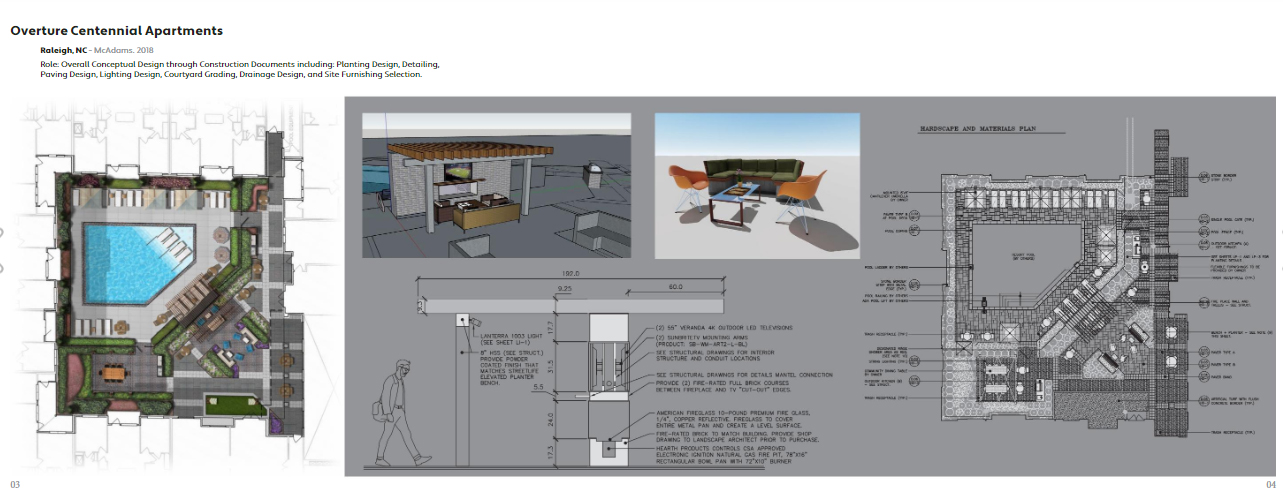
A design portfolio, especially for the young and less experienced designer, is an intimidating document to create. We’ve all heard rumors of older students with silver bullet portfolios that secure them endless j […]
-

Good stuff Caleb, and great tips for those first assembling a portfolio. I love your suggestion for demonstrating “hands on experience”.
I’ve hired quite a few designers in my career and one additional suggestion is to clearly acknowledge team projects and what your role was. Whether academic or professional.
-
-
Tim Daugherty replied to the topic Employment opportunities for Landscape Architects? in the forum EDUCATION 7 years, 4 months ago
Robert – regarding some of your data. The 1,600 jobs over 10 years are just NEW jobs, right? On top of the baseline number of jobs currently out there and held. Presumably in that same 10 year span there will also be people retiring, changing careers, dying (!), promotions, etc.
In other words, I don’t think 30,000 graduates are fighting for…[Read more]
-
Stephanie Roa wrote a new post, Anova Grant for Emerging Professionals 2019 7 years, 5 months ago
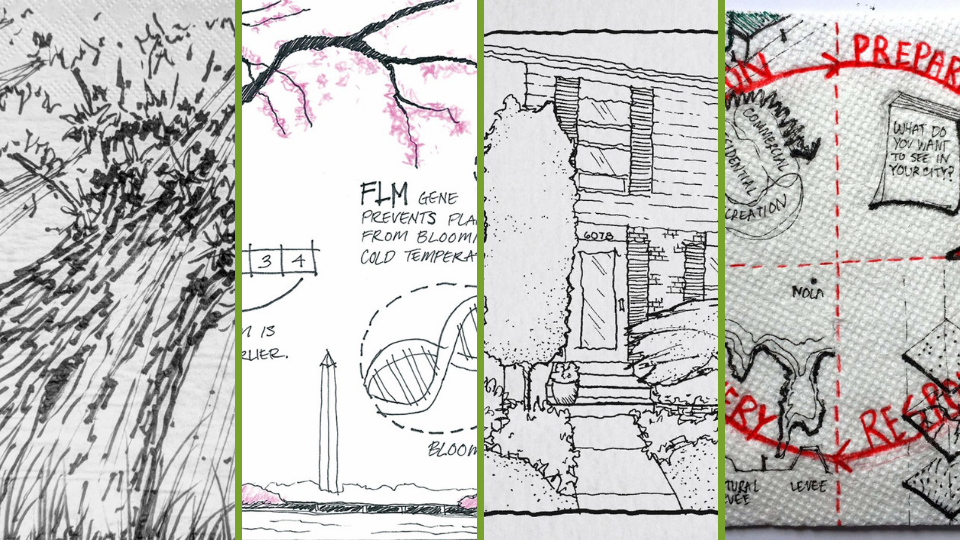
Anova Furnishings’ Grant Competition is back again this year, offering emerging professionals the opportunity to attend the 2019 ASLA Conference on Landscape Architecture (formerly known as the ASLA Annual M […]
-
Tim Daugherty wrote a new post, Drone Applications for Landscape Architecture 7 years, 5 months ago
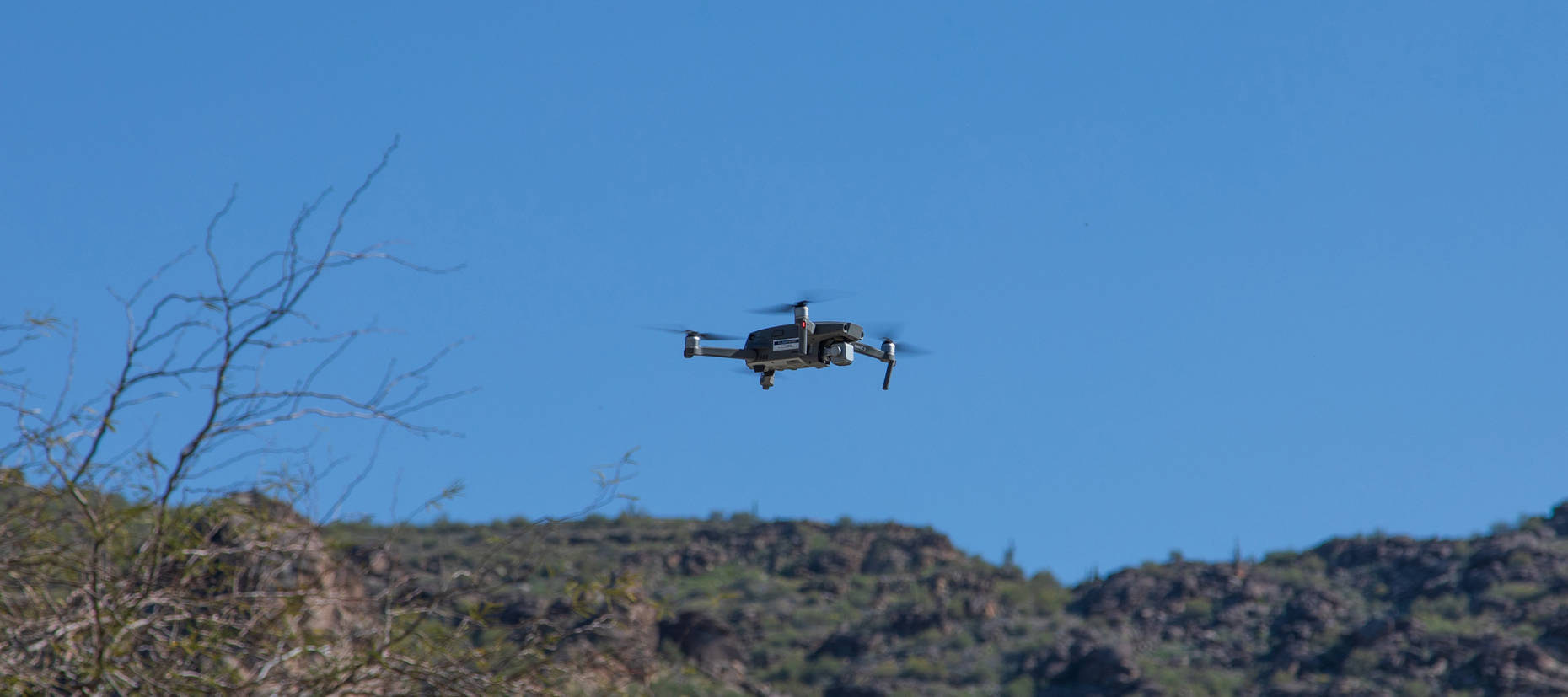
Unmanned aerial vehicles (UAV’s or drones) have multiple applications for landscape architects, from early efforts like site analysis to creating awareness and excitement for a completed project. Although s […]
-
Hi Robert – thanks for your comments. I do state that “UAV technology can’t replace the skill and experience of an in-person site review”, so you’d get no argument from me. With regards to privacy I also point out multiple times the importance of FAA rules and regulations, which includes privacy concerns.
-
-
Tim Daugherty replied to the topic From AIA to Landscape Architecture – Any advice welcomed! in the forum PROFESSIONAL PRACTICE 7 years, 5 months ago
I’ve worked for studios in the past that hired Architects in an LA studio. I’d look at mid-sized boutique firms that specialize in Public Works and going after Awards and such.
-
Caleb Melchior wrote a new post, 5 Top Planting Design Resources for New Landscape Architects 7 years, 6 months ago
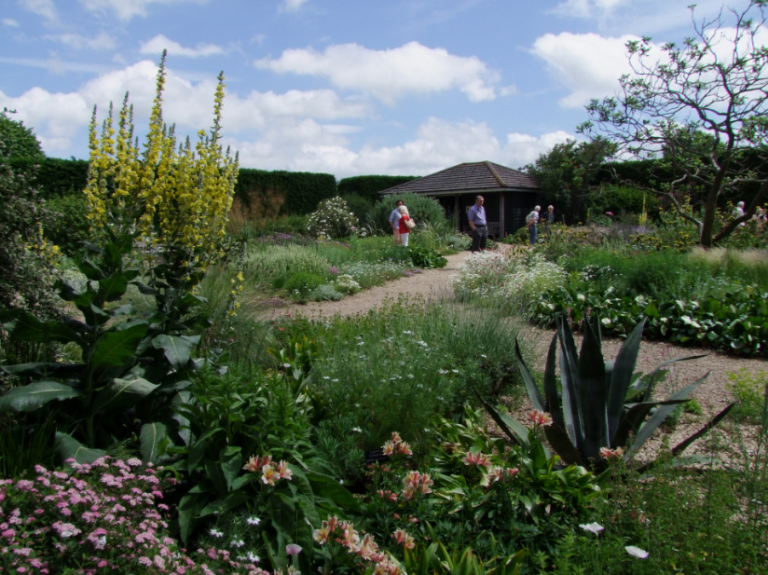
Clients and employers often complain that landscape architects, particularly young designers, are failing at planting design. Previous articles on Land8 have identified planting design as a challenging area for […]
-
Visiting local nurseries with plants tagged and identified is probably the most efficient way to familiarize yourself with regional plant material. Also, tending your own garden as well as getting out in nature at various times in the season will provide firsthand experience on plant growth and habit.
Planting design software and databases are very poor options for full understanding and make for the weak knowledge we’re now seeing.
-
Hi Jack: Thanks for your thoughtful response. Visiting regional nurseries is a fantastic way to figure out what’s commonly available in your area. It’s important to pair observation of nursery stock with observation of established plants – your public gardens are a great resource for this practice. And the more time you can spend physically dealing with plants, the better!
I agree that you can’t expect software and databases to be very useful for education about plants and how they grow – however they’re a fantastic tool for more effectively managing the design and documentation process.
-
Very informative and useful article. Thank you so much for writing. This is a great idea.
-
Nice article with sound ideas. One tangent to Public Gardens are Cemeteries. It’s amazing how many of them function like a formal garden/park space.
-
-
Caleb Melchior changed their profile picture 7 years, 6 months ago
-
Stephanie Roa wrote a new post, Restructuring for the Future City [Video] 7 years, 6 months ago
During the Land8x8 Lightning Talks in Seattle, Julie Parrett began her presentation by asking the audience to consider our city’s public urban space – who owns it, how is it used, and is it accessible or clos […]

-
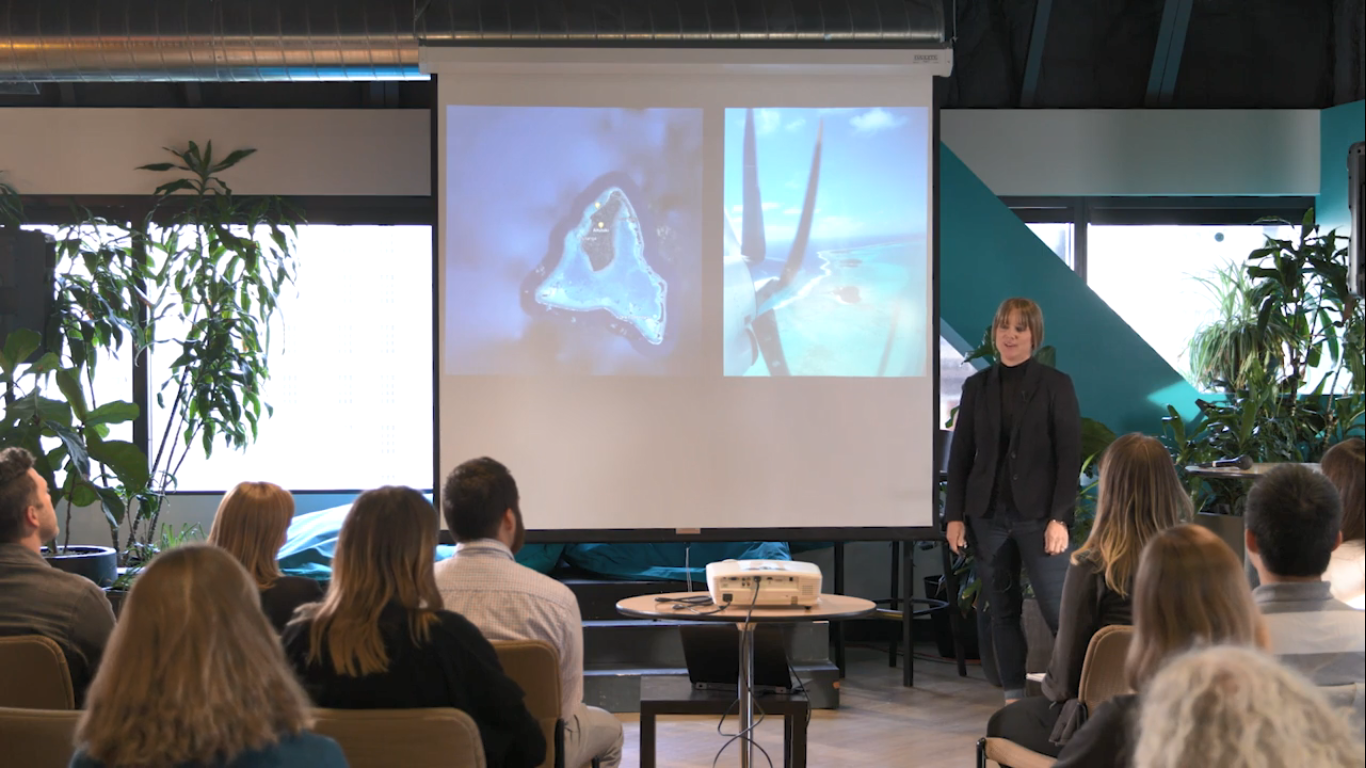
Stephanie Roa wrote a new post, Evolving Memory [Video] 7 years, 7 months ago
There are too few opportunities to share knowledge within the design profession. Formalized research is only starting to gain prevalence, while most rely on personal experience as a basis of their knowledge. […]
-

Win Phyo wrote a new post, Bangkok Is Sinking and Here Is the Solution 7 years, 8 months ago
Just as New York has Central Park, Bangkok has just received its lungs of the City – the Chulalongkorn Centenary Park, the first sizeable green infrastructure project, which has been designed for the city to face […]

-
Caleb Melchior became a registered member 7 years, 8 months ago
-

Walter Bone, RLA changed their profile picture 7 years, 8 months ago
-
Walter Bone, RLA's profile was updated 7 years, 8 months ago
-

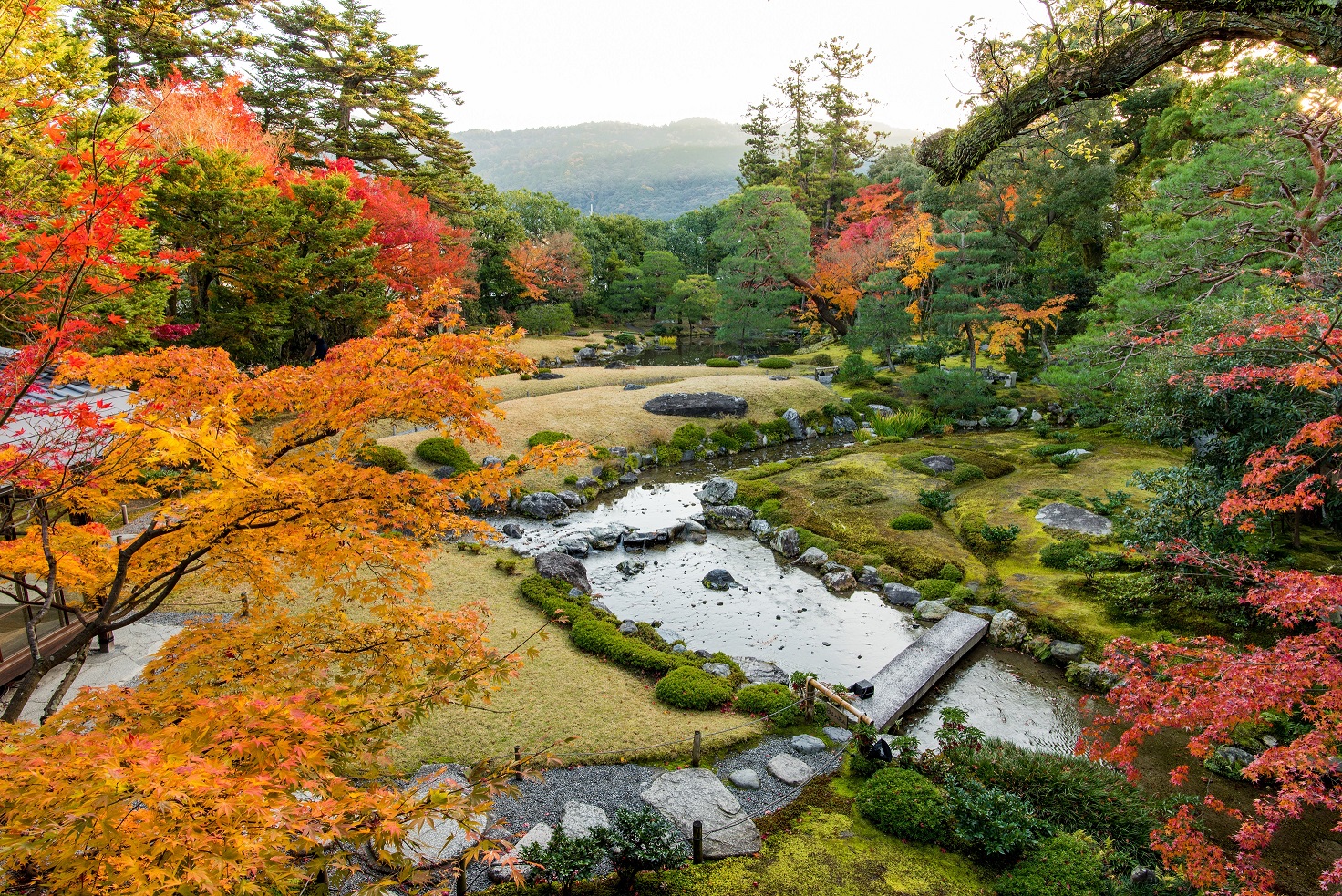
Kristin Faurest wrote a new post, Fostering the Future 7 years, 9 months ago
Low-maintenance is a sought-after quality in landscapes — as well as in architecture, vehicles, pets, hairstyles, flooring, the personalities of prospective mates, and pretty much everything else. We use the word […]
-
Stephanie Roa wrote a new post, Learn, Celebrate, and Connect: A Recap of the ASLA 2018 Annual Meeting and EXPO 7 years, 9 months ago
Most people reading this article are likely familiar with the ASLA Annual Meeting – after all, it is the world’s largest gathering of landscape architecture professionals and students. And, with over 6,000 att […]

-
Tim Daugherty changed their profile picture 7 years, 10 months ago
-
Tim Daugherty became a registered member 7 years, 10 months ago
- Load More
StudioCK


Login
Lost Password
Register
If this is your first time on the new site, please click "Forgot your password?". Follow the steps to reset your password. It may be the same as your old one.