


6 Tips for Making the Most of Your Camera

6 Tips for Making the Most of Your Camera
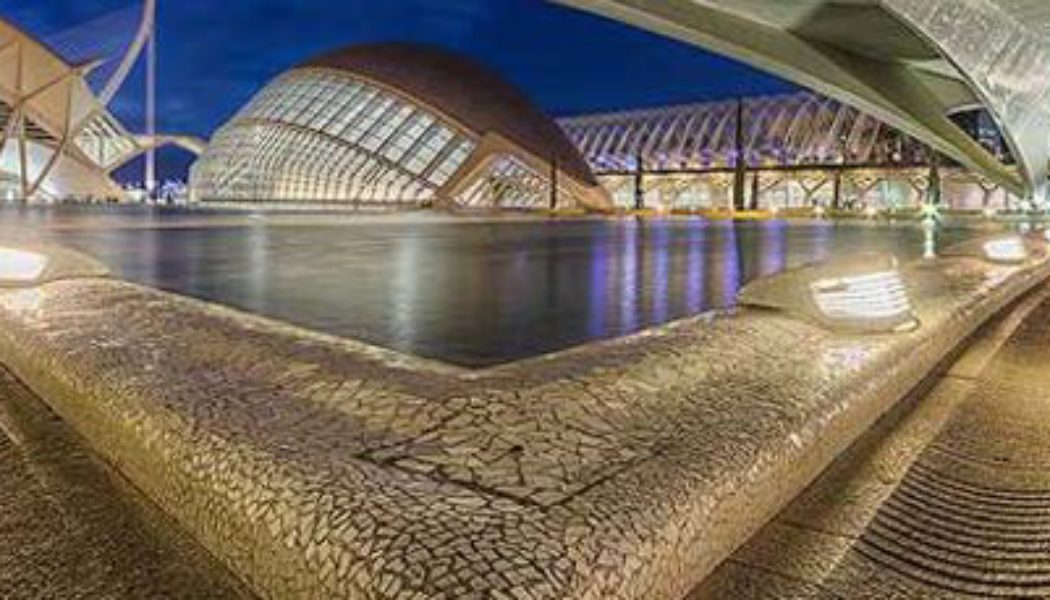
With the advent of digital cameras, photography has quickly become one of the ways that designers record their work and have fun. Most people are afraid of making the switch to manual mode, though. The following six tips are for those who are interested in gaining more from photography and understanding how it is done. 1. Understanding the exposure triangle Whether you are a beginning photographer or a seasoned pro, having an accurate understanding of the ins and outs of exposure will either make or break your photograph. The exposure triangle is composed of three main elements that you can adjust or simply leave for the auto-shooting mode to handle. ISO is the sensitivity of the camera’s sensor to light. Landscape photographers can use a range of ISO levels, from 100 to 3200. It all depen...Read More


Sketchy Saturday l 015
This weeks Sketchy Saturday sees a few surprises as we break away from conventional methods and scenes and break into new realms of creativity and awareness of public space, displaying not just in how it’s built but in how people use it to. Congratulations to everyone who took part in this weeks Sketchy Saturday, there was so many sensational entries however not everyone can get published on the website. We’re very excited to reveal this weeks Top 10, here they are: 10. by Zanyar Feizi, M.A.student of Landscape Architecture, Iran “This sketch which has been drawn using colored pencil,indicates the identity of old Iranian Architecture that was created in particular after Islam in Iran. Dome is one of the remarkable elements of this architectural style”. 9. by Elvis ...Read More


The Professional Designer’s Guide to Garden Furnishings | Book Review
A review of The professional designer’s guide to garden furnishings by Vanessa Gardner Nagel It is often forgotten or overlooked by the garden designers and landscape architects, that the furniture in the garden is just as important as plants. It helps to create a welcoming space for relaxation, play or socialising, enhances the garden’s style and character, and brings out the plants’ natural beauty. Without it the garden is unfinished, sorely lacking in style and usability. With the current accessibility of the wide range of garden furniture and accessories, there is no excuse for a designer to omit this essential part of the project. “The professional designer’s guide to garden furnishings” is an excellent manual for anyone involved in designing outdoo...Read More


Filmtastic Fridays: Happy Birthday Frederick Law Olmsted! – Central Park Timelapse
Happy (pre) Birthday Frederick Law Olmsted! Tomorrow (April 26) marks what would have been the father of landscape architecture’s 192nd birthday. Although landscape architecture has come a long way in evolving beyond his pastoral and picturesque styles, Olmsted’s lasting legacy is still influential to our field. Our Filmtastic Friday this week features his best known work, Central Park, captured in a gorgeous fall time-lapse. From the description: “One of the most striking things about New York City is the fall colors and there’s no better place to view this then Central Park. I chose 15 locations in the park and revisited them 2 days a week for six months, recording all camera positions and lens information to create consistency in the images. All shots were taken ...Read More
Greentown 2.0: Where Landscape Architects Network with Enthusiasts from other Walks of Life
Landscape Architect, Kurt Culbertson refers to Landscape Architecture as “a calling”. Those who have devoted their lifetimes to the profession understand his extreme description. Our goals cannot always be achieved in one or two or 10 years. The goals of a landscape architect transcend decades sometimes in the idea making, band-wagoning, lobbying, discussion, funding and development of plans. This does not even include the sometimes decades to see the final conception of a design finally pay off fully for the next generations. Greentown 2.0 has this shared vision. on April 22, 2014 in South Bend, Indiana, the conference brought together people from the public and private sector to “connect the dots, to inspire and to work together to remake our communities. From healthy ...Read More
Landscape Architecture Foundation Announces Winners of the 2014 National Olmsted Scholars Awards
Yesterday, the Landscape Architecture Foundation (LAF) announced the names of the two National Olmsted Scholars and six Finalists for the 2014 Olmsted Scholars Program, a national awards program that supports exceptional landscape architecture student leaders. Sara Zewde, a Harvard Graduate School of Design master’s student, was selected as the 2014 National Olmsted Scholar and will receive the $25,000 graduate prize. Louisiana State University student Erin Percevault will be awarded the $15,000 undergraduate National Olmsted Scholar award. The winners were announced two days before Olmsted’s birthday, Friday, April 25. Named after Frederick Law Olmsted, the father of American landscape architecture, LAF’s Olmsted Scholars program has annually honored exceptional student...Read More

The World Without Landscape Architects!
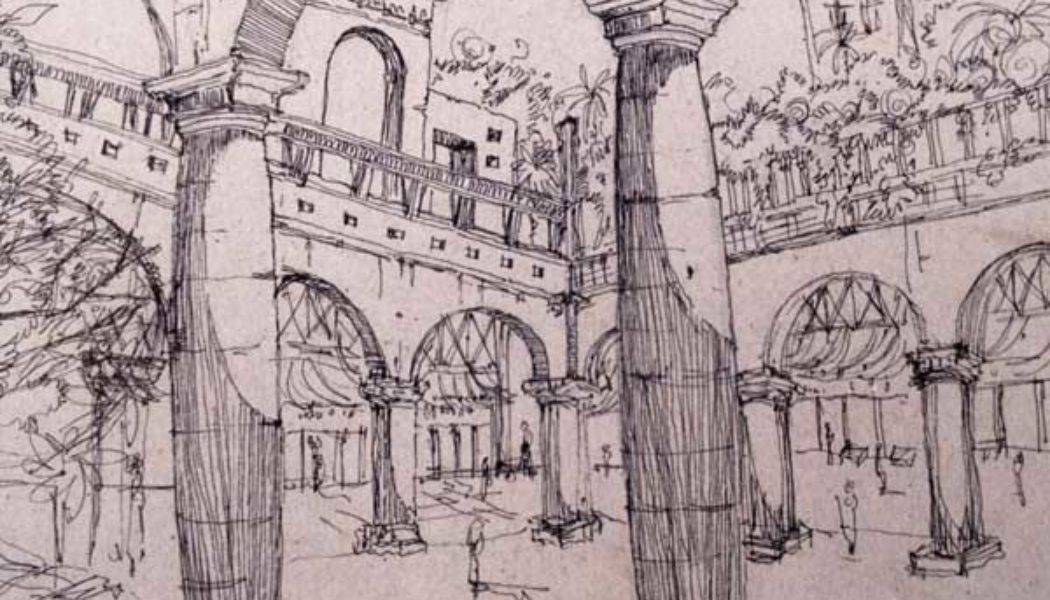
Alan Reisman’s gripping book “The World Without Us” details what would occur after a sudden vanishing of human life from the Earth. Nature would reclaim the built environment through processes that would begin within hours of the end of human intervention. But what if there were a world without “us,” as in those of us who guide change in the landscape, both throughout history and going forward? Here we will explore how things would have been different, as well as potential consequences going forward if the world was without landscape architects! Urban Design The idea of a “central park” is not unique to New York City. Many other cities of all shapes and sizes have developed around a communal green space that provides people with an area of respite away from the hustle and bustle of city li...Read More


Contemporary Landscape Architecture in China: Beautiful or Dangerous?
One word sums up present-day China: Speed! China is forging ahead at a rapid pace, with little regard for the many negative consequences piling up in its wake. Landscape Architecture in China happens extremely quickly and is under great pressure. At times, designs are installed even before construction details are complete. There are positive side effects of this rapid pace, such as construction advancements that are paving the way to transform the industry. However, after installation, sites are often all but forgotten. Building and park maintenance is rare, and these installations often fall into a state of decay, becoming hazardous to the people who use them. The Open Door Policy of 1978 initiated by Deng Xiaoping opened China up to the outside world and paved the way for major change. ...Read More


Crown Sky Garden Inspires Healing
Crown Sky Garden by Mikyoung Kim When you think about a hospital, can you imagine a terrace full of color, with bamboo 6 meters tall, wooden benches that can reproduce natural sounds, and interactive screens made of resin panels with a minimum of 40 percent recycled content? The Crown Sky Garden, designed by Mikyoung Kim design studio, uses four elements to transform a space that could have been seen as rigid because of its institutional setting. Based on this, we can say that the main concept of this project is the word “interaction”. Sight, sound, water, and wood elements — all varnished with colors and vegetation — create a unique artificial park insidethe 11th floor of the Ann & Robert H. Lurie Children’s Hospital of Chicago. The common perception of every space i...Read More

Digitising Landscape Architecture: Vectorworks Landmark
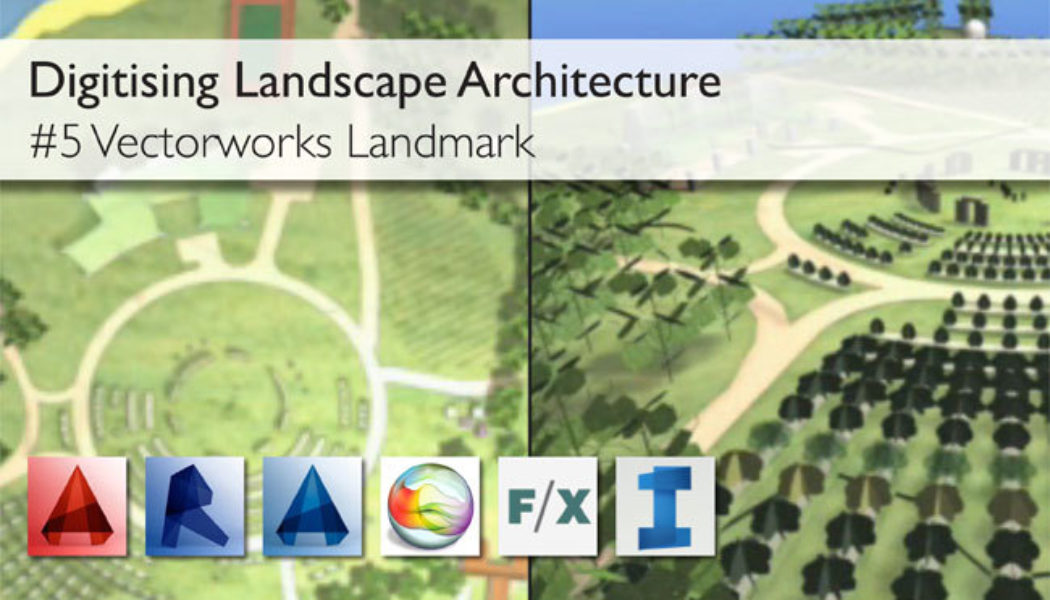
Nemetschek’s Vectorworks Landmark is one of the few standalone BIM-enabling software packages targeted specifically towards landscape architects. In addition to the landscape-specific BIM capabilities that Vectorworks Landmark offers, it also incorporates mapping and GIS functionality as well as interoperability with a variety of building design applications such as Revit and ArchiCAD. (SEE ALSO: Digitising Landscape Architecture: Revit for Landscape Architects) Vectorworks Landmark includes a substantial collection of built-in BIM-enabling intelligent tools such as terrain, plants (in a +8,000 plant database), hardscapes and retaining walls. For example, 2D tree symbols correspond to 3D tree ‘objects’ with all the information pertaining to that tree documented in a database for scheduling...Read More

Turenscape Design Outstanding River Park
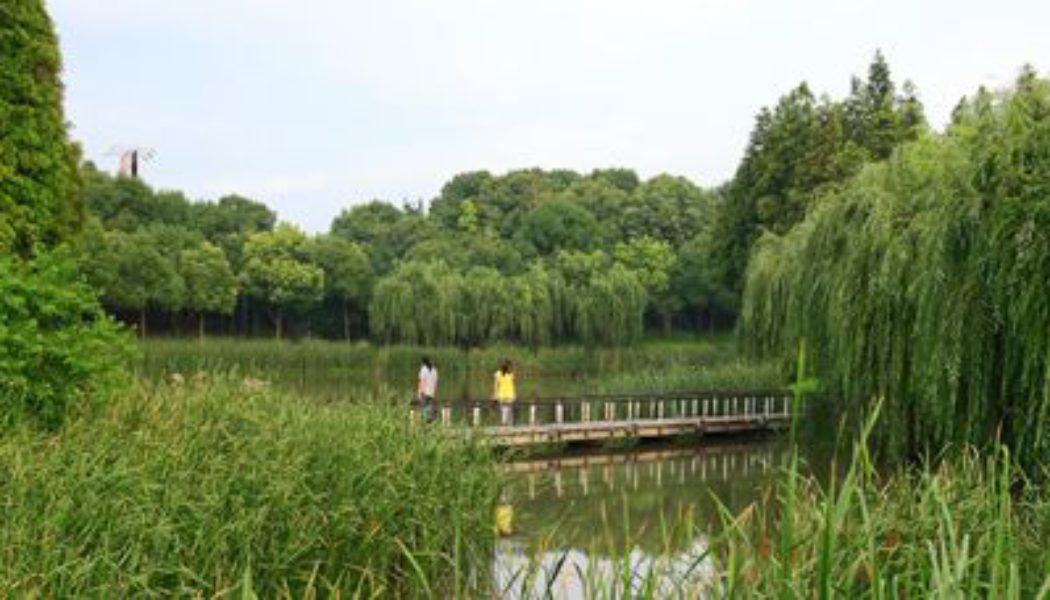
The Floating Gardens by Turenscape The term “floating gardens” usually brings to mind the famous Chinampas or the historical vegetable gardens planted by Aztec communities in the shallow lakes of Mexico that date back to two thousand years. But in 2004, an added value was brought forth to the term when world renowned Chinese landscape architecture firm Turenscape used it as a title for their Yongning River Park. The Mission: Aims and Challenges The design of this park was a response to a request made by Taizhou City, East Coast China to upgrade the park site along the riverside which was embanked with concrete as part of the local flood control policy. The task proved to be challenging, as the landscape architect sought an alternative and more ecological approach to flood contr...Read More

How to Design a Landscape for Extreme Workouts: Part 2 Free Running
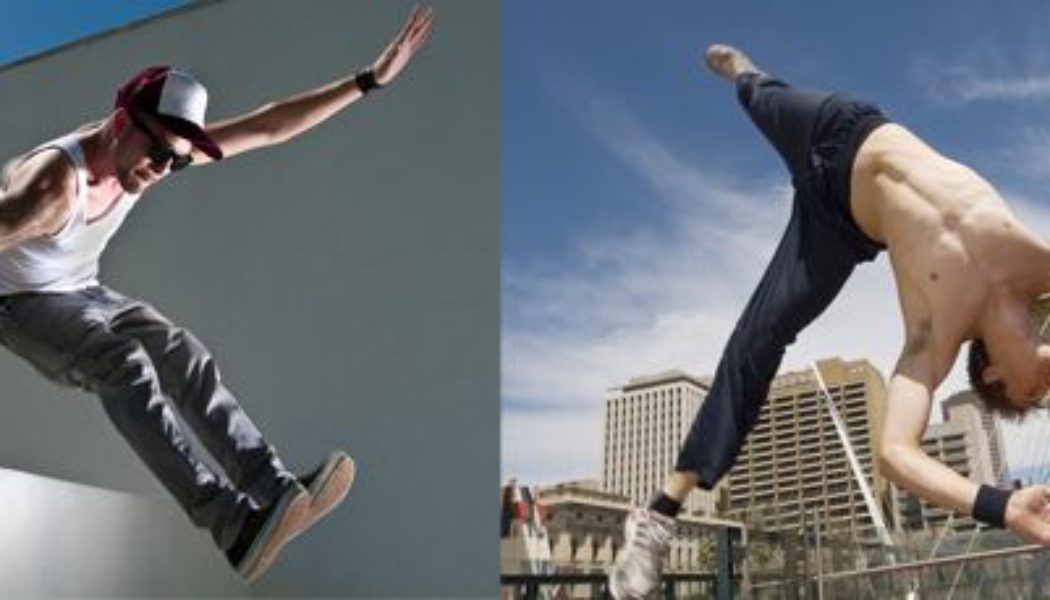
We swiftly move on to the second part of our series, this time looking at how to design for free running. If you missed the first part where we explored designing the landscape for calisthenics, let it inspire you! You may have seen a video of a seemingly crazy person looking as light as a feather while jumping and climbing on rooftops and over a series of walls, making you think that person may make an excellent burglar! Those runners aren’t burglars, but neither are they superheroes; they are athletes who have admirably dedicated their time to free running. What is Free Running? Free running was given its name by Sebastian Foucan, who, after learning parkour for many years, began treating the sport/activity as a way of life and philosophy. Free running is a non-competitive, physical disc...Read More