


How Landscape Design Became the Most Important Feature of Zorlu Center


How Landscape Design Became the Most Important Feature of Zorlu Center
Zorlu Center, by DS Architecture – Landscape, Istanbul, Turkey. Istanbul is a dynamic city in a world of diversity. In light of continuous development, new innovative projects have to deal with the difficulty of harmonization and integration in old structures. In a city between two continents, Zorlu Center unites the historical Old City atmosphere with a futuristic flair of four towers through landscape design. Located in Levent, a business and urban milieu in Istanbul, the private investment project shows a multifaceted use and the variegated benefits of the landscape elements designed by DS Architecture – Landscape. Furthermore, in a context where the controversial issue of shopping malls and public life is becoming more criticized, Zorlu Center tries a new interpretation of this topic b...Read More
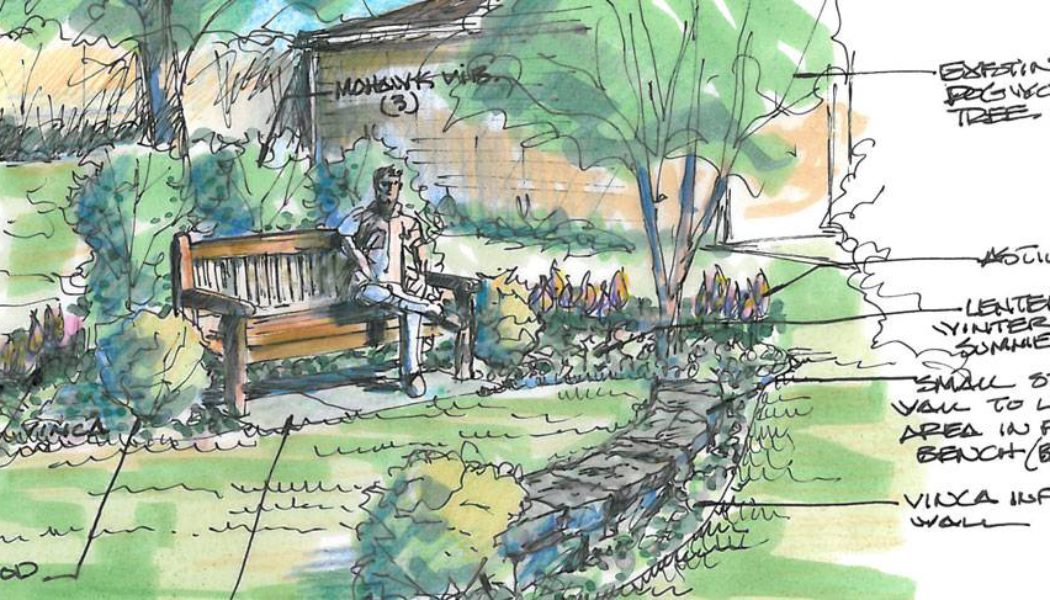

Sketchy Saturday |039
This week’s Sketchy Saturday top 10. Sketchy Saturday never fails to impress us. But what particularly impressed us this week was the descriptions people wrote. They had passion in their words, which matched the passion on display in their images. Passion is the vital ingredient when it comes to success. You can study all you want, you can work for as long as you want and as hard as you want, but without a foundation of passion to guide you, you’ll never be great at what you do. You may become a well respected professional, but you will lack the passion and, therefore, the drive, dedication and commitment to stand out from the crowd. Each one of these sketches is passion manifested for the whole world to see. Enjoy this week’s Sketchy Saturday top 10! 10. by William Corbin Newton, by...Read More
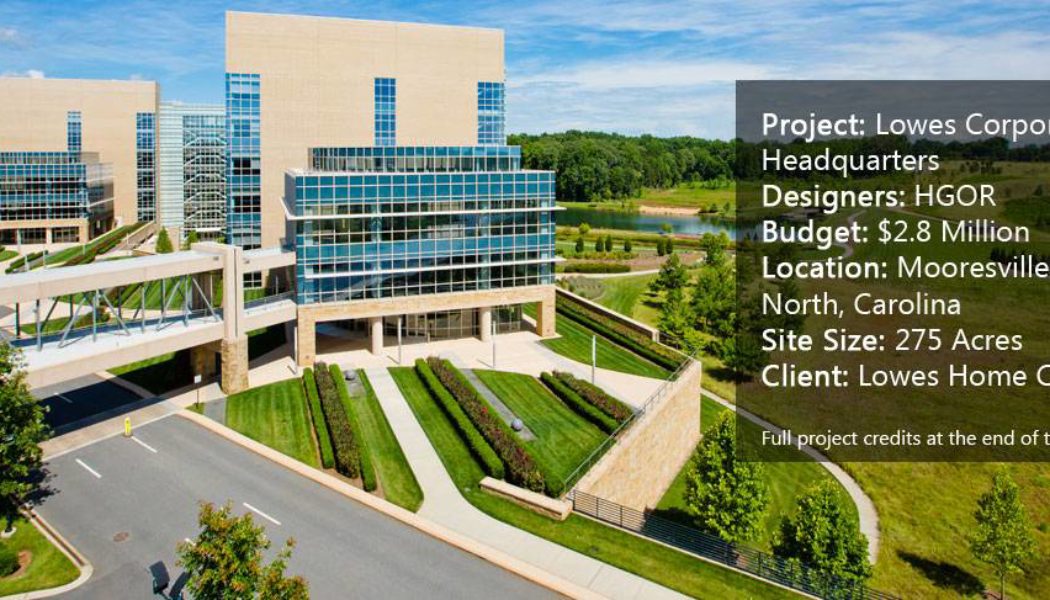

Lowes Corporate Headquarters Cracks the Corporate Mold
Lowes Corporate Headquarters, by HGOR and LandDesign, in Mooresville, North Carolina. Television commercials and advertisements for the Lowes home improvement centers are an everyday occurrence, but have you ever thought about what the company’s corporate offices look like? Just as their motto “never stop improving” says, they are applying that forward-thinking philosophy to the entire business, from local stores to the main headquarters. The Lowes Corporate Headquarters is located in Mooresville, North Carolina, and has proven to be an environmentally sustainable take on a corporate setting. When we think of the word “corporate”, it may induce visions of cubicles, cold parking structures, and gray surroundings, but Lowes has kicked that image to the curb in a unique way. Lowes Corporate H...Read More
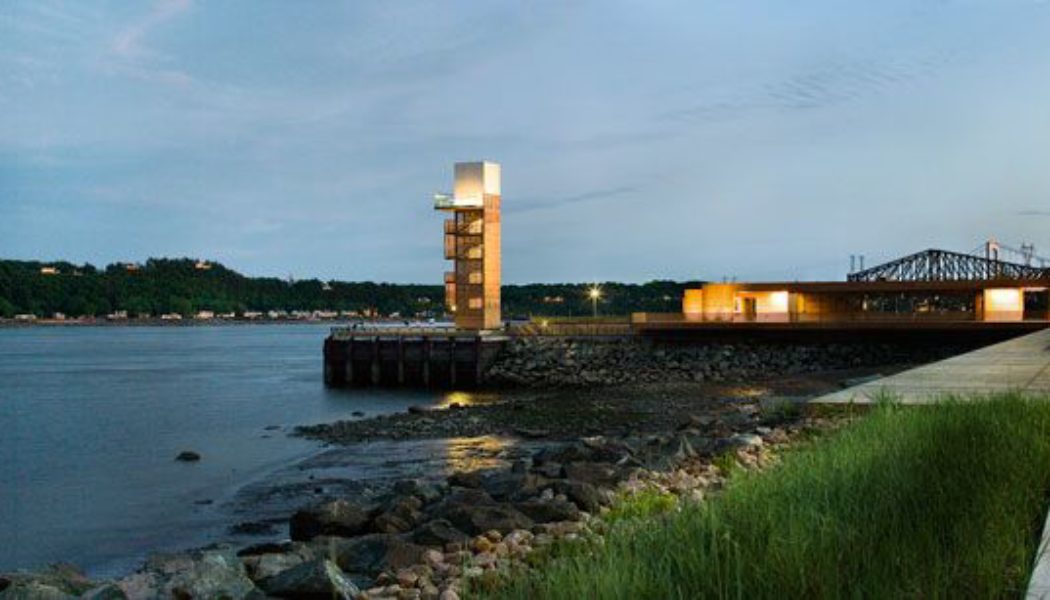

Rocafort House Shows us That Simple is Beautiful
Rocafort House, by Ramon Esteve Studio, in Rocafort,Valencia, Spain. The Rocafort House is a residential building located in Lorquí, Murcia, in eastern Spain. The area, some 12 kilometers from Valencia, is a haven of summer homes and irrigated crops. Rocafort House was designed by Ramon Esteve Studio, a group of architects and designers working toward one goal: creating – in their words — “places where you want to live”. I once read a quote from Mies Van der Rohe that said: “Less is more”. That is very evident in this house. Ramon Esteve Studio strives for elegance without going overboard. Using clean lines, the designers make a connection between elements we might not think would mesh. But they do, and nature and structure become one without colliding into one another. Rocafort Hous...Read More


Watford Parade Rises From the Ashes to Become the Center of Attention
Watford Parade, by BDP, in Watford, Hertfordshire, England. Landscape architects are unique artists, in the sense that they take their creativity to a whole new level, using nature as their most important source of inspiration. Watford Parade is both a successful and ambitious project of landscape architecture, demonstrating that landscape design can be perceived as a form of art. The project was commissioned by the Watford Borough Council and the Hertfordshire County Council, being completed in 2014. With a construction cost of £4.3 million and a site of approximately 15000 m2, the project was successfully brought to light by the talented team from BDP. Watford Parade The true power of landscape architecture lies in taking an area that has lost its charm and bring it back, in a manner tha...Read More
![The 10 Best Houseplants to Improve Indoor Air Quality [infographic]](https://land8.com/wp-content/uploads/2017/07/House-plants-1050x600.jpg)
![The 10 Best Houseplants to Improve Indoor Air Quality [infographic]](https://land8.com/wp-content/uploads/2017/07/House-plants-80x80.jpg)
The 10 Best Houseplants to Improve Indoor Air Quality [infographic]
Your infographic guide on the 10 best houseplants to improve indoor air quality. According to studies by NASA, certain houseplants filter out harmful compounds in our homes – all linked to acute conditions and chronic disease. Based on NASA’S results, we have explored the top 10 house plants that are the most effective for removing air pollutants. Best Houseplants to Improve Indoor Air Quality 10 best houseplants to improve indoor air quality [Infographic] by the team at Barratt Homes. 3 More Top Articles on LAN: 10 of the Most Common Mistakes People Make in Planting Design and How to Avoid Them Interested But Not Confident? – Know How to be Good at Hand Drawings Top 10 YouTube Tutorials for Technical Drawing Recommended Reading: The Complete Houseplant Survival Manual: Essenti...Read More
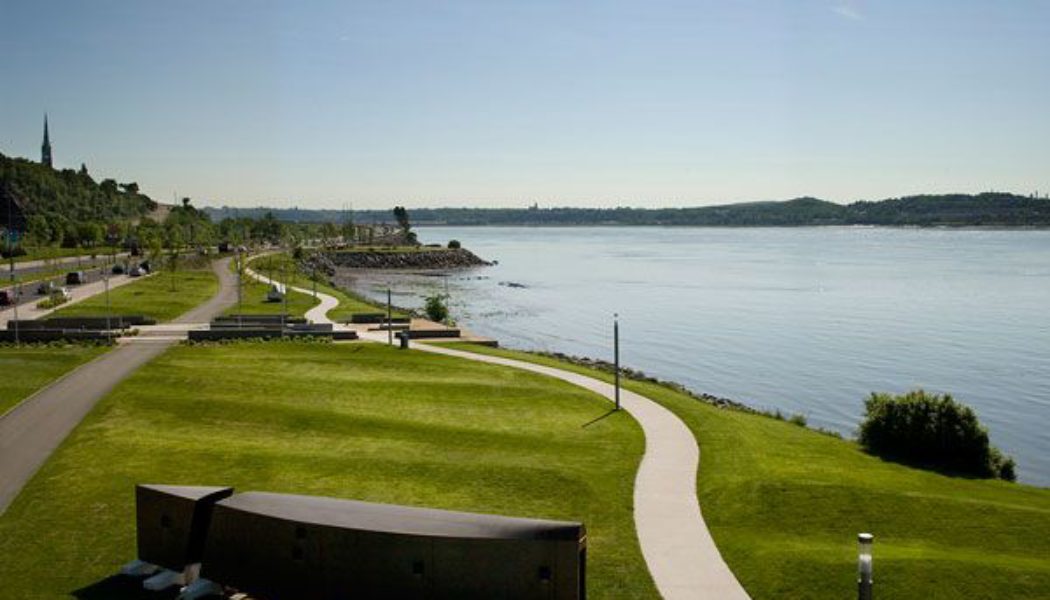

Seljord and the Legends Creates New Ways to Experience Cultural Landscapes
Seljord and the Legends, by Feste Landscape, Seljord, Norway. As a landscape architect, creating a space that allows others to experience the culture of a landscape can be difficult. In trying to portray a culture through design, things can get a little hokey or dull. Allowing those unfamiliar with that culture to understand and enjoy the site is also a challenge. This project, however, is seemingly effortless in its portrayal of stories into tangible creation. Feste Landscape’s thought-provoking project, Seljord and the Legends, shows how important cultural heritage is to experiencing a landscape in its entirety. The project is comprised of four art installations at different locations around Seljord Lake, close to the centre of Seljord, Norway. A walking path around the lake connects eac...Read More


Simons Center Bring in the Scientists to Get Gold
Simons Center for Geometry and Physics, by Dirtworks Landscape Architecture, in Stony Brook, New York. Stony Brook University is considered one of the greenest colleges in the United States, so it came as no surprise to designers when the university requested that the design for Simons Center for Geometry and Physics needed to not only meet its high standards for sustainability but to also exceed them. As part of the State University of New York system, the building needed to be at least 20 percent more energy efficient than a baseline comparison and needed to meet the standards to be LEED certified. Dirtworks Landscape Architecture, PC was up to the challenge. Meeting With The Scientists As the firm responsible for the planning, design, and all technical aspects, Dirtworks had a big order...Read More


Bringing the World of Agriculture Indoors at the 2015 Expo in Milan
Harmony and Diversity at the 2015 Expo in Milan, by Teamlab, in Milan, Italy. Various mediums can influence the way we see landscape architecture, change how we think about design, and impact how we can give a supreme experience for users of the site or project. Teamlab, a collaborative group of artists based out of Tokyo, makes installations that incorporate the crafts of professions from all across the board. Their group consists of people with backgrounds in architecture, mathematics, art, engineering, animation, and graphic design, just to name a few. They have set their focus on the marriage between science and art, using public installations as the medium through which users may experience the design. 20 Million Visitors on Their Way Teamlab is set to showcase its new projects at the...Read More


Utilize the Power of ArcGIS in Your Work to Create Informed Urban Designs
Nadia Amoroso, Director of Nadia Amoroso Studio and adjunct Professor in Practice, at University of Guelph shares with us her insights on ArcGIS Online and GeoPlanner for ArcGIS Online for Urban Design and Planning. In the past decade, planning and design professions have been enriched by a wealth of readily available site data. GIS (Global Information Systems) programs and applications provide layers of information on everything from site hydrology to population density, but urban designers, planners and landscape architects may shy away from utilizing GIS data, perceiving the applications as being too complex. GIS tasks are often passed onto a tech specialist, causing a slowdown in workflow, a lack of integration between departments and a less than perfect understanding of the data by th...Read More


11 Things to Remember When Designing for Children
Spaces that are good for children are good for everyone, here are 11 things to remember when designing for children. Have you ever asked yourself, who is actually the greatest fan of your work as a landscape architect? Is it the one who spends long hours of playing games, enjoying the pleasure of being outside and closer to nature? Even though subconsciously, children are the ones who feel the most sincere happiness and delight when visiting a park, or an open-air playground. Children admire landscape architects’ work the most, even if they don’t really realize it. This is one of our most major responsibilities as landscape architects – how to design for children, in order to provide them with a safe, healthy and entertaining environment at the same time? In this article, we will discuss 1...Read More

The Best Way to Work With the Land at Riverside Lünen
Riverside Lünen, by WBP Landschaftsarchitekten, Lünen, Germany. Lünen is a town in North Rhine-Westphalia, Germany, along the Lippe River, which runs east to west, starting from Paderborn until it finally enters the Rhine River at Wesel. This has provided Lünen with a steeply graded green space along the Lippe, in the central part of the city. Riverside Lünen is a redesign project of that green space by WBP Landschaftsarchitekten. The five-meter height difference between the park and the river provided a challenge for connecting the two spaces. The designers did so by creating a new distinctive path that adapts very well to the natural contours, including stairs that can function as a small amphitheater facing the river. They really did a splendid job in creating an open-river park for peo...Read More