


Blog


Germany’s Got Talent – 10 Awesome Examples of Landscape Architecture in Germany
Article by Radenka Kolarov Following on in our world series we have selected 10 awesome projects that perfectly represent landscape architecture in Germany today. Let me ask you, have you seen those astonishing German landscapes? In case you haven’t, don’t waste any second more, and give you self the trip of a lifetime. You won’t regret seeing the projects in landscape architecture too, they are equally marvelous. From beautiful pavilions through a garden of remembrance to great public-square solutions, you will find out just how awesome Germany actually is. Landscape Architecture in Germany 10. KALA Square, by Rehwaldt LA, in Berlin The site used to be the residence of industrial employees before the Second World War. Now this public-square solution is multifunctional as...Read More
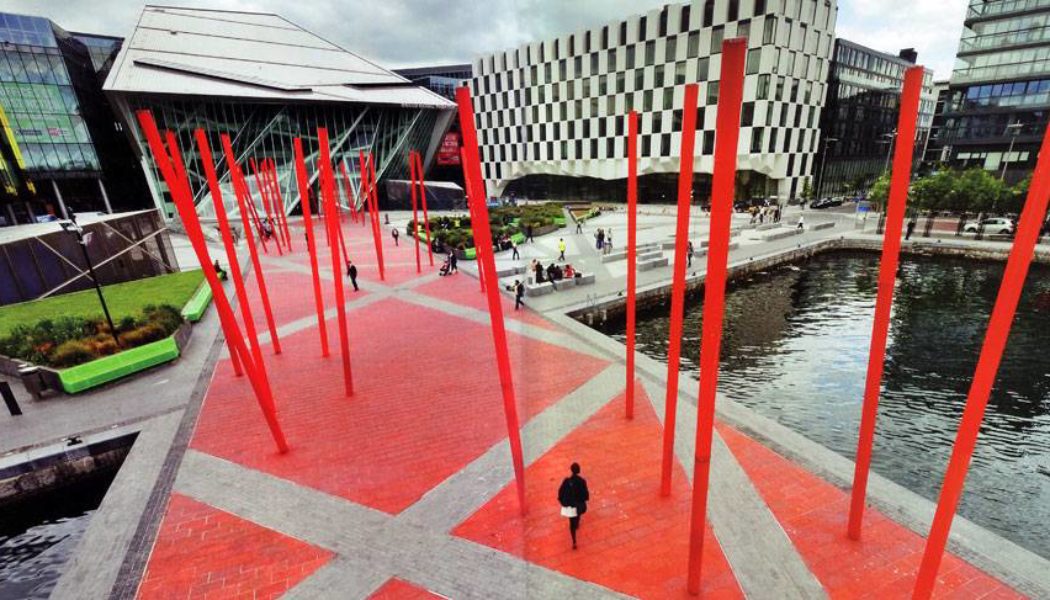

The TOP 10 Qualities of Great Landscape Architects
Article by Frank Bourque We take a look at 10 Qualities of Great Landscape Architects. “Heroes of the design community.” This is a common definition of landscape architects. They are responsible for bringing us the future of design. But even more than that, they are creating art with every structure they design and bring to life. Some landscape architects work alone, and some are part of a team. Working collaboratively with other professionals is important, however, it is not the most vital thing when it comes to the role itself. But what defines a successful landscape architect? In other words, what qualities do great landscape architects have? Great Landscape Architects 10. Their Knowledge Base Extends Beyond Their own Profession A professional landscape architecture degree i...Read More
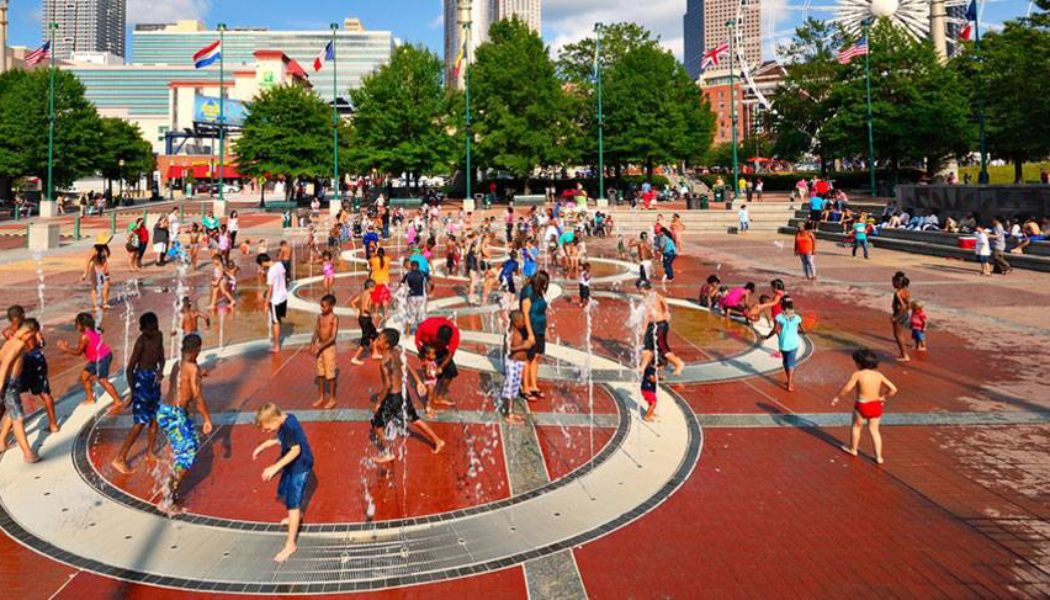

How to Become a Landscape Architect and Start Innovating
Article by Frank Bourque We take a closer look at how to become a landscape architect and start innovating today. Want to become a landscape architect and start designing beautiful outdoor spaces? The whole world will pat your back. Landscape architecture is one of the fastest-growing types of architecture in the world and the real future of architecture. We see green spaces everywhere from roofs to terraces and even in remote areas. What is Landscape Architecture all About? In case you are interested in a career in landscape architecture, you should know that the industry is more than just creating private gardens for luxurious clients. The reality is actually quite different – the best landscape architects work on public areas and spaces. These may include parks, trails, sporting f...Read More
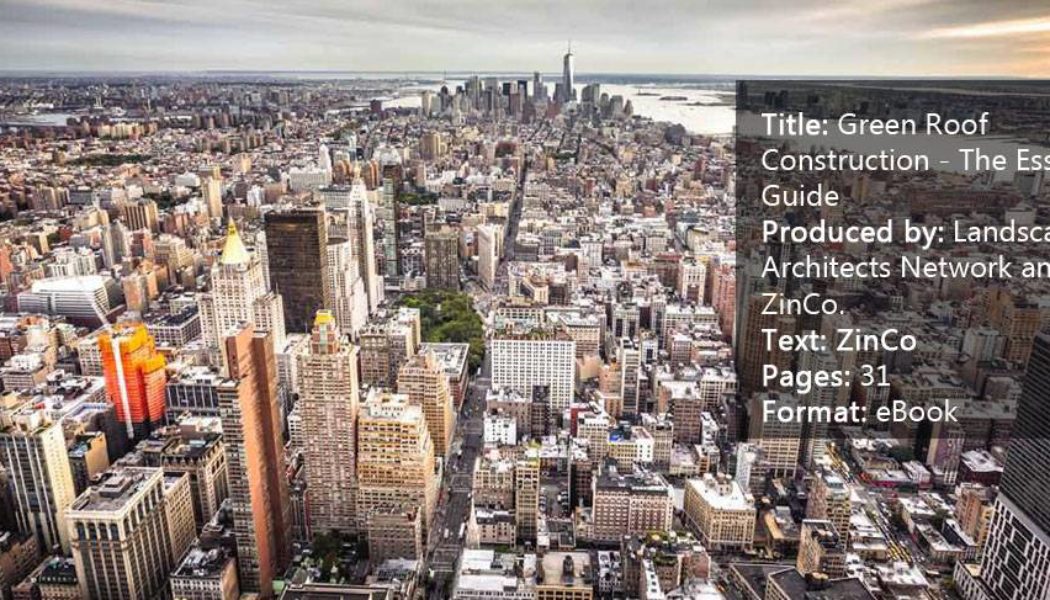

Green Roof Construction – The Essential Guide | eBook review
Review by Samia Rahman An eBook review of Green Roof Construction – the Essential Guide, produced by LAN and ZinCo. In a sustainable city, the expression of architecture itself is expected to be an eco-friendly response to the environment that provides comfort to people. With the pace of rapid urbanization in a modern era, every day we are losing our natural green spaces by constructing new structures for fulfilling our needs. This affects our climate and environment and makes the city gray rather than green. As every cloud has a silver lining, the awareness of the need for green is rising. We, the designers, are trying to return back that lost nature with amazing ideas including green roofs, green walls, street trees, and parks. “Green roof” concepts are not new but have flourished ...Read More


10 Surprising Tourist Spots for Landscape Architecture in North America
Article by Sophie Thiel We take a closer look at landscape architecture in North America that also makes for great tourist destinations. Every person interested in the field of landscape architecture knows and wants to see prestigious projects such as The Highline when visiting New York City or newly hyped ones such as Sugar Beach in Toronto, Ontario. However, these cities — along with all of the other more or less touristic places on this diverse continent — have so much more to offer than the obvious projects of landscape architecture that get maniacal attention anyway. Therefore, the aim of this article is not to create a compilation of the 10 best-known tourist destinations in North America, but to surprise you with hidden spots of landscape architecture to visit during you...Read More


The 10 Best Books For Landscape Architecture – Part 2
Article by Yang Su We explore the 10 best books for landscape architecture. Continuing on from part 1 of our series – Top 10 Books For Landscape Architecture we launch the second in our series of top landscape architecture books, to help guide you in this ever demanding and increasingly complex profession. Best Books for Landscape Architecture (Click on the headline to explore any of the books in greater detail) 10. Returning to Nothing: The Meaning of Lost Places, by Peter Read Losing the places we love arouses our deepest feelings. What does it mean for us to lose a place forever in our memories? Why do we need to return? Returning to nothing indicates how essential living places are and how unforgettable they are to us. This book provides examples of many lost towns, suburbs, and ...Read More


Decorative Concrete Blocks in the Modern Landscape
Whether they are called breezeblocks, screen blocks, cinder blocks, textile blocks or even Besser blocks (here in Australia) the hollow concrete block has long been a popular construction material for both architecture and landscape. The manufacture and use of hollow concrete blocks can be traced back to the 1860s in both the United States and Britain, where they were created as a more viable option than blocks of solid concrete. Developments in machinery to manufacture these blocks also lead to a range of finishes. This included smooth, raised margins, rock-faced or with other ornamentation to the face panel (Lewis 2015). While the use of hollow and decorative concrete blocks occurred throughout the late 1800s and early 1900s it was the Californian textile block houses of the 1920s (incl...Read More
First book on BIM for Landscape published by Landscape Institute UK
BIM (Building Information Modelling) is transforming working practices across the built environment sector, as clients, professionals, contractors and manufacturers throughout the supply chain grasp the opportunities that BIM presents. The first book ever to focus on the implementation of BIM processes in landscape and external works, BIM for Landscape will help landscape professionals understand what BIM means for them. This bookis intended to equip landscape practitioners and practices to meet the challenges and reap the rewards of working in a BIM environment – and to help professionals in related fields to understand how BIM processes can be brought into landscape projects. BIM offers significant benefits to the landscape profession, and heralds a new chapter in inter-disciplinar...Read More
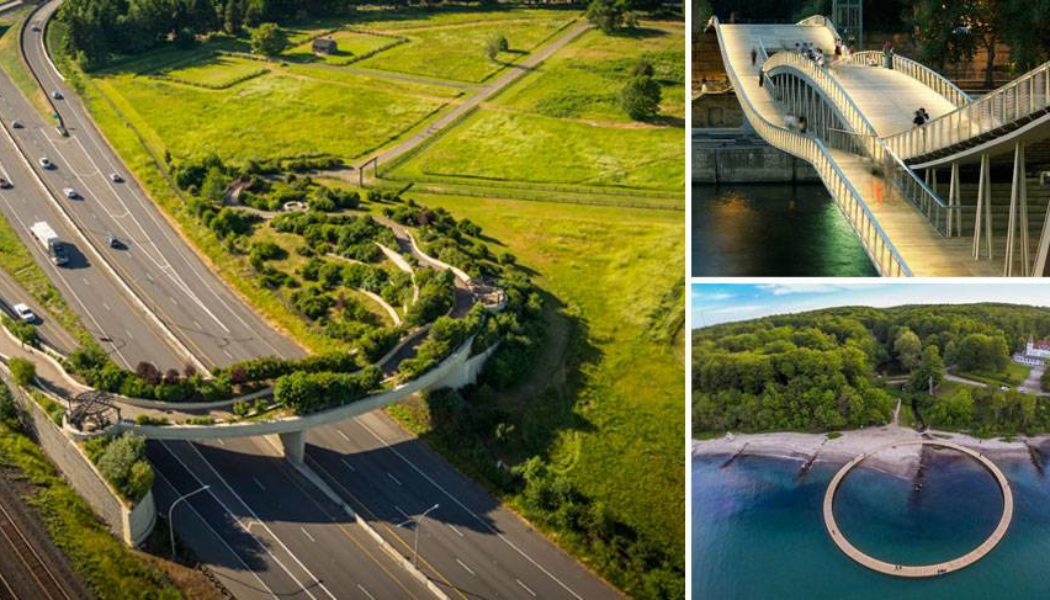

10 Incredible Bridges that Challenge Your Perception of What a Bridge Can Be
Article by Samia Rahman Bridges are often seen as great functional feats of engineering. We take a look at the bridges that change this perception and show us that they can be so much more. “Bridges are among the most ancient and honorable members of society, with a background rich in tradition and culture. For countless generations, they have borne the burdens of the world and many of them have been great works of art.” — Charles S. Whitney, Bridges: A Study in Their Art, Science and Evolution, 1929 In this era of modern technology, we are amazed every day by new innovations. As an integrated part of the natural landscape, bridges are among those innovations. Environmental issues and technological structure are integrated into the proliferation of design concepts. Here, we have put...Read More


How this Excellent Design Brought Landscape to Art
Article by Lidija Šuster MassArt Residence Hall, by Ground Inc., in Boston, Massachusetts, USA Before developing any design, landscape architects are always faced with unavoidable questions that are crucial for the success of the project. Who will be using that space? Where is it located? What kind of people are most likely to come there? You probably have guessed some of these questions, and there are a lot more I did not mention. All of this brainstorming is a natural part of the creative process that happens during designing, and the more you do it, the more it is worth it in the end. Taking this fact as a guiding star, the Ground Inc. designers managed to confidently invent a new landscape for the country’s only free-standing public college of art and design. After intense social resea...Read More

Sketchup for Site Design – Modeling For Landscape Architects
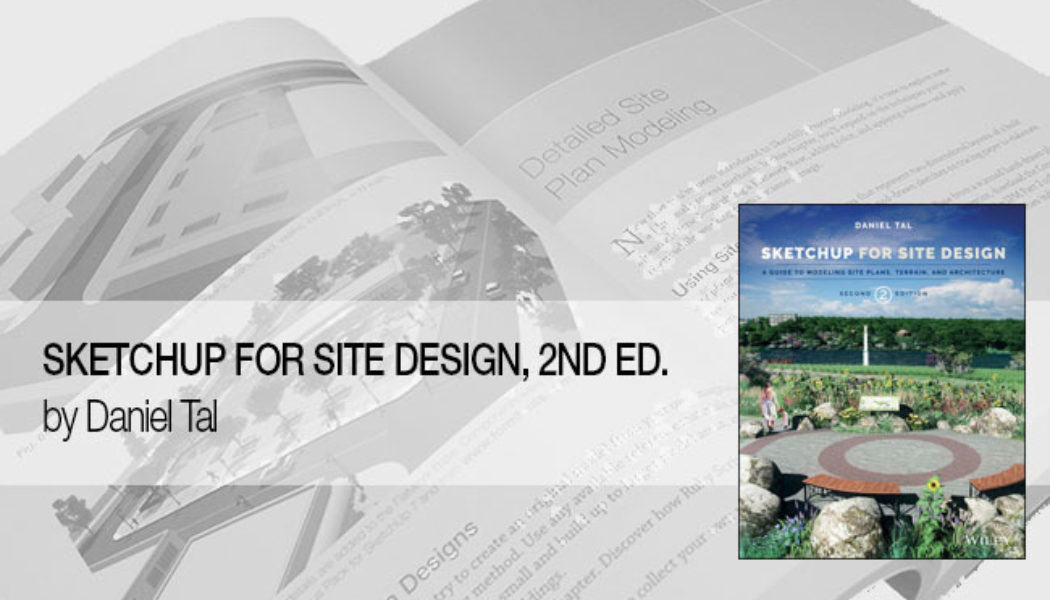
Sketchup for Site Design: A Guide to Modeling Site Plans, Terrain, and Architecture is the follow-up to Daniel Tal’s 2009 edition of the same name. Since then, the environment of Sketchup hasn’t changed dramatically, but being purchased by Trimble from Google has spurred more development support and a host of new features. Ruby Scripts are now referred to as “extensions” and Tal has changed what was called “sandbox architecture” to “digital elevation modeling.” These subtle differences mean that the old version is still applicable regarding workflow, but that the new version corrects for all the incremental changes over the last seven years. The reason that this book is very relevant to landscape architects is that it has a larger focus on th...Read More

How to Use Trees – The 10 Best Projects that Show You How
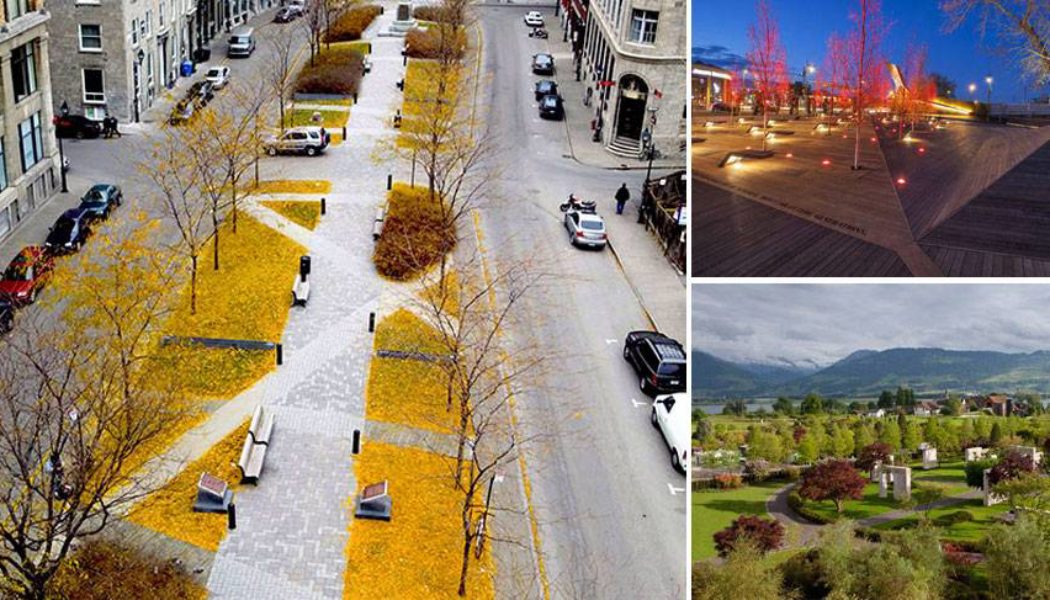
Article by Erin Tharp LAN writer of the year 2015/16 Erin Tharp, takes a look at some creative ways how to use trees in various landscape designs. Almost every successful landscape installation has one thing in common: trees. Trees are found in traditional landscapes and in ultra-modern landscapes alike. And even though the feel of the spaces may differ, the trees bring them back to nature and remind us that even the most desolate places can support life. So how do you go about becoming an expert in placing trees in your designs? Take a look at the following 10 projects that show 10 uses for trees in the landscape and prove that every space can be made better by using trees. How to Use Trees 1. Trees as Art Visitors to the Tree Museum in Rapperswil-Jona, Switzerland, are greeted by a colle...Read More