

The LABash Conference, a landscape architecture conference led by students, for students, is being held March 11-13, 2026 at The Ohio State University. Here are eight reason on why you should attend!
1. 1000 Trees Gallery – Nick Antonelli
LABash invites you to experience a forest unlike any other you’ve seen before. Come to the LABash’s gallery space to see your tree standing among 1,000 others, each one a unique 96expression shaped by hands from across the continent. Guided by this year’s theme of cross-pollination, the installation brings together crafted model trees to form a whimsical, expressive, and evocative landscape that grows through shared creativity. These trees are much more than a collection of found material, they are subjective symbols of place, memory, and landscape. Every tree collected will evoke a unique feeling that is representative of its designer. Coming to LABash means voicing creativity through this shared medium. The gallery will become a forum where students can exchange ideas, interpret diverse narratives of landscape, and experience how personal stories intertwine to form a living, collaborative forest.
We invite you to walk through this landscape that connects us all across distance and difference. See your voice (in tree form) amongst all of the students, professionals, and creatives who share this common practice and join us in celebrating the power of shared imagination! We look forward to seeing you in the forest!
2. Columbus Highlights – Sydney Jorgensen
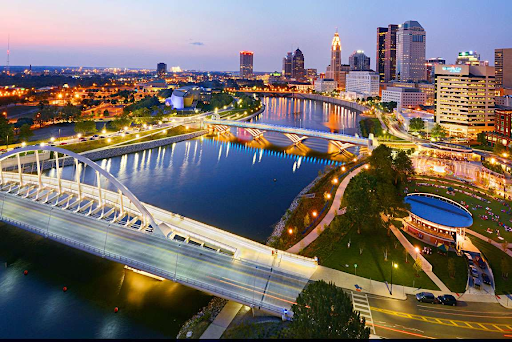
Columbus, Ohio has more to offer than just LABash! Plan to arrive a little early or stay a little late to explore the city and everything it has to offer. The city is filled with vibrant historical districts, with the most popular being German Village. Walk down brick streets that date back over 100 years, and explore the historical buildings that line them. Popular attractions are The Book Loft, this pre-civil war building has over 32 rooms of discount books to wander through. Popular dining options are Schmidt’s Sausage Haus Restaurant and Katzinger’s Delicatessen.
Head downtown and stop at the Columbus Museum of Art. This museum has beautifully curated exhibits that range from classical paintings to modern sculptures. Notable works include the Claude Monet room, as well as photography and art by famous American artists Edwards Hopper and Norman Rockwell. Once you’re done weaving through the rooms at CMA, keep heading East down Broad Street to the Franklin Park Conservatory and Botanical Gardens. Experience the Palm House filled with giant tropical species, dating back to 1895. Alongside the Palm House walk through different biomes and explore their species. Dotted throughout the rooms is work by glass artist Dale Chihuly. Then watch live glass blowing demonstrations at their in-house studio. Travel across the Scioto River to check out the Center of Science and Industry (COSI). Ranked as the #1 Best Science Museum by USA TODAY 10Best Readers’ Choice Awards for 2026. Explore exhibits like the Dinosaur Gallery and Planetarium.
These are just a few of Columbus’ highlights! LABash tour add-ons like Landscape Architecture at the Columbus Zoo and Exploring OSU’s Iconic Campus Landscape are great ways to explore and learn about two more notable landscapes and attractions the city has to offer!

3. Flavortown USA – Anaïs Sturges
LABash is a great opportunity to experience Columbus’s diverse culinary scene. Columbus, also known as Flavortown USA, is the crossroads for numerous cuisines and cultures. With neighborhoods that are easily accessible and only about 15 minutes apart, the city makes exploring effortless, whether you’re looking for late-night bites after a keynote or a sit-down dinner with new friends. Starting on Bethel Road in North Columbus, there is a three-mile corridor filled with diverse Asian cuisine, featuring the best ramen restaurant ever, Meshikou. Driving south from Bethel, you’ll hit Clintonville, where you’ll find two of Columbus’s originals: Wario’s Subs and Jeni’s Ice Cream. Perfect for a quick lunch between sessions or a celebratory treat after a long day of learning. Heading downtown, you’ll reach the heart of the culinary scene. Here you can take in the skyline from one of the city’s many rooftop restaurants, grab a quick bite as you walk along the Scioto Mile, or explore the historic North Market where local vendors showcase global bits. Columbus’s food scene is just unmatched! If you’re coming to LABash, come hungry!
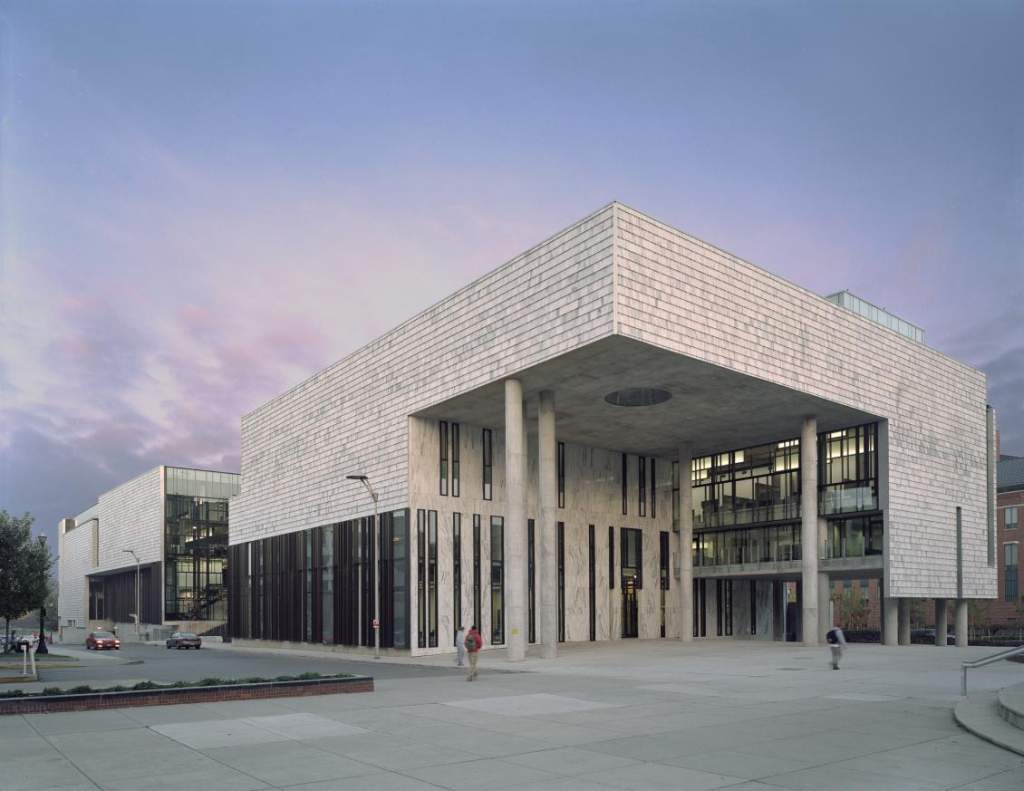
4. Knowlton Hall – Sofia DiNovo
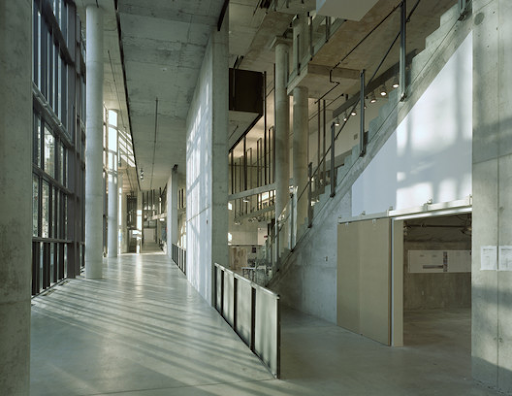
The Knowlton School of The Ohio State University houses the disciplines of City and Regional Planning, Architecture, and Landscape Architecture. The Knowlton School is designed for a unique educational experience and the cross-pollination of disciplines, years of experience, ideas, and more. Following the ramp up the building, individuals gain exposure to each of the disciplines in action. Within our studios, we are encouraged to engage in our cohorts and collaborate with others to create an enthusiastic, welcoming, and supportive learning environment.
As members of the Knowlton School community, we invite you to partake in our engaging atmosphere through LABash 2026. Many of us on the LABash planning team are members of the undergraduate third-year Landscape Architecture Cohort, which has been regarded as one of the largest Landscape Architecture cohorts in the United States. We are excited to share the plentiful garden spaces around Knowlton and The Ohio State University’s campus, uniquely designed for students’ movement throughout campus. Attending LABash at the Knowlton School will offer you and your peers a once-in-a lifetime opportunity to participate in the discourse of Landscape Architecture at one of the leading colleges of Landscape Architecture in the world!
 5. Collaboration with Peers from Around North America – Claire Baltimore
Join us at LABash to experience the vibrant energy of connecting with attendees from around North America. Connect with landscape architecture and allied students and professionals beyond the boundaries of their own universities and firms, creating a space where peers can exchange ideas and build meaningful professional relationships. Through sharing new design perspectives, iterating at workshops, or networking at the Expo, there will be many opportunities to build relationships that extend far beyond the 2026 LABash dates.
Come be part of a dynamic community that celebrates creativity, fosters collaboration, and strengthens the future of landscape architecture together!
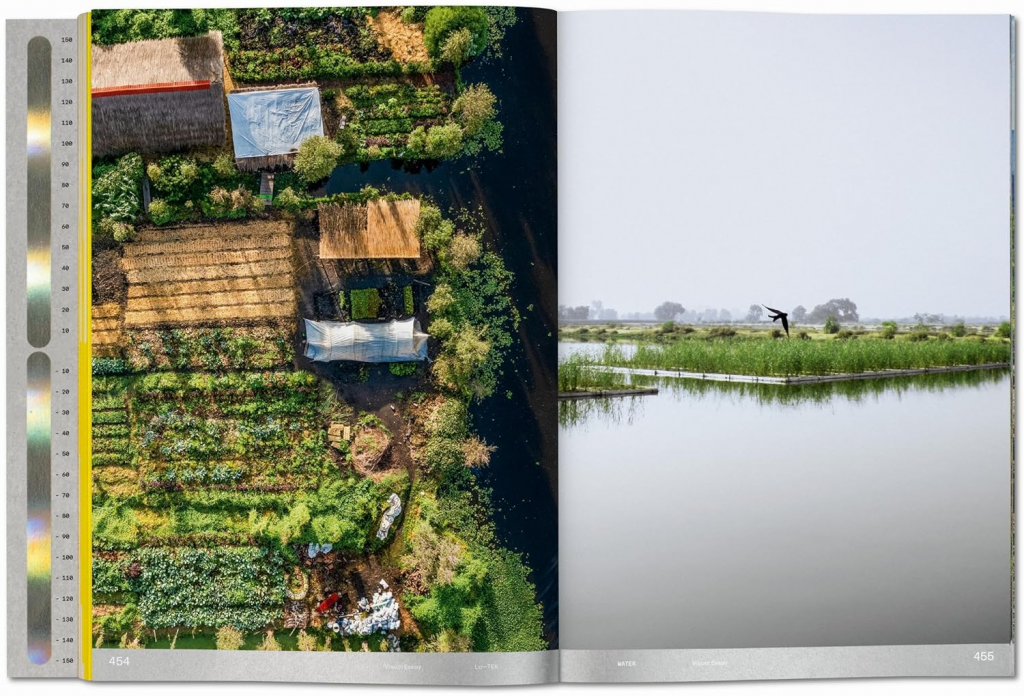
6. Julia Watson Keynote and Panel! – Sam Clemente
Central to our theme that explores the cross-pollination between people, place, practice and profession, learn from the author of the best-selling, award-winning books Lo—TEK: Design by Radical Indigenism and Lo—TEK Water: A Field Guide for TEKnology. Julia Watson pioneered the global Lo—TEK movement, reframing nature-based technologies as essential solutions to the planetary crisis.
Then, take the opportunity to engage with her and ask her questions on a panel the following morning, along with many other amazing speakers from across the conference! It’s a great opportunity to learn how your emerging career can respond to the climate challenges that face us today.
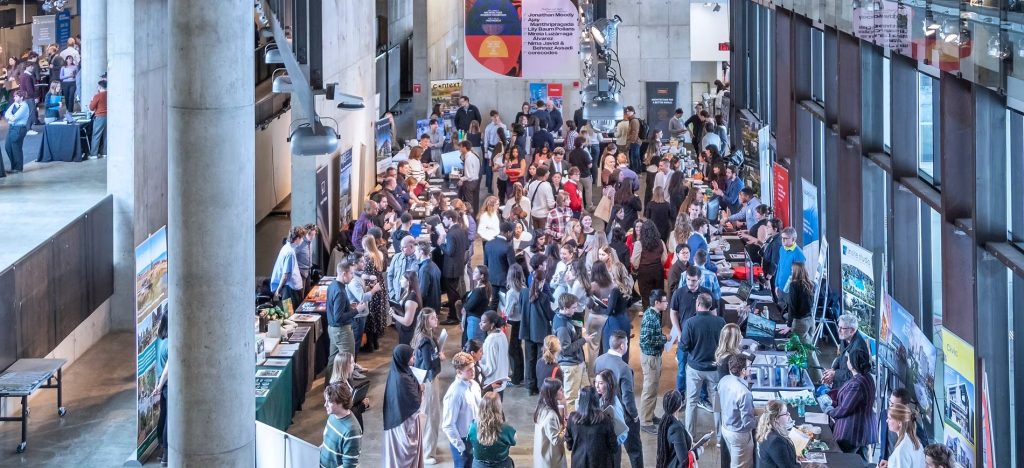
7. Meeting New People from All Around! – Ashley Mendez
Attending LABash 2026 is the ultimate chance to experience our theme of cross-pollination in action. By connecting with peers from diverse backgrounds and universities, you’ll join a vibrant ecosystem of emerging designers ready to tackle the climate crisis together. Beyond the networking, you’ll gain rare insights from keynote speaker Julia Watson, pioneer of the Lo—TEK movement, and even engage with her directly during our morning panels to discover how indigenous technologies can reshape your future career.
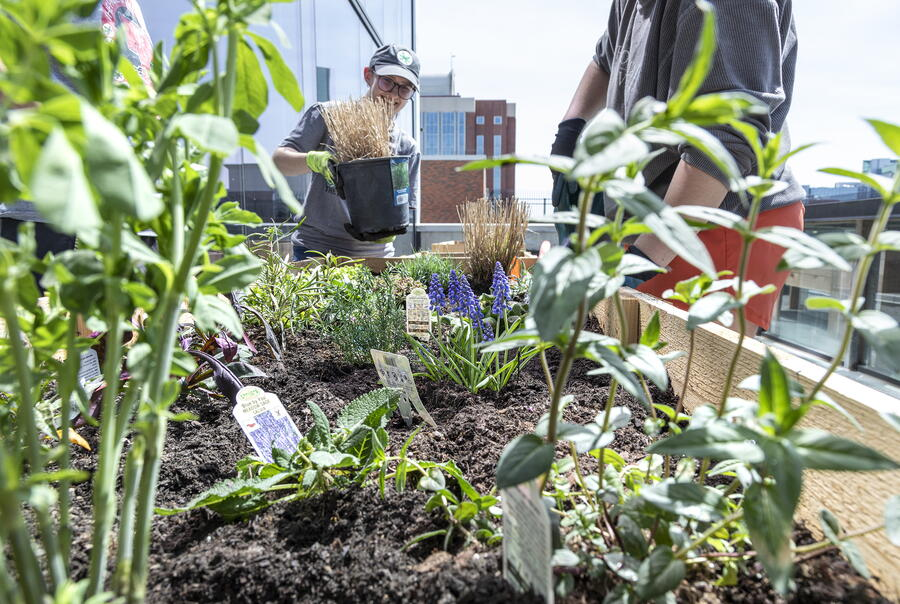
8. Beyond the Classroom – Warsame Mohamed
Someone should attend LABash 2026 because it is a rare chance to experience landscape architecture beyond the classroom while being surrounded by the setting of The Ohio State University. The campus itself reflects a strong design history, with open lawns, tree lined paths, and spaces that show how landscapes evolve over time. Being at OSU means learning in a place that already carries a legacy in landscape architecture. It is not just about the conference. It is about experiencing ideas in a setting that embodies them.
—
Article by the planning committee of LABash 2026 at The Ohio State University