


Blog


Award Winning Small Garden Design
Exquisite small garden design by Fernhill Landscapes Within Sterling Residence resides a perfect example of a tranquil, meditative garden. Designed by Fernhill Landscapes, the garden merges a perfect balance between the hard and soft pallet of lush plantings and elegant contemporary forms. To be in the presence of such a garden seems like a soothing sensory experience, with simple, striking visuals of rich textures that could transport the owners into a peaceful state of mind. Background Four interior walls surround this courtyard of a garden, making this a visual experience as much as a physical one. The home, built in 1948, was designed as a mid-century modern house. The clients wanted a space that would compliment the building style and provide a visual interest from inside the house. T...Read More


Putting a Price on Design: What is the Value of Public Space?
Iconic, candy-coloured and hugely popular, Toronto’s award-winning Sugar Beach is making headlines again, but this time the story’s not quite so sweet. There’s no doubt about it, Sugar Beach has certainly been a boon to the city of Toronto. Designed by Claude Cormier et Associés in 2010, the former parking lot has won multiple design awards, including the EDRA 2014 Great Places Award and an ASLA Professional Honour Award in 2012. The playful, whimsical urban beach has been a huge hit with both Torontonians and tourists alike and has flung Toronto into the international spotlight. But the sugar-sweet image of this candied public space recently turned sour when the price-tag was revealed. Each of the thirty-six cotton candy pink umbrellas cost $11,565 and another $530,000...Read More
Landscape Architects and the Bigger Design Pro Community
At the end of June I attended the 2014 AIA convention in Chicago. I am a member of ASLA but I had never been to a national conference of any kind. It may seem to be an odd choice to attend the AIA conference as my first, but it speaks to my bigger point in this blog. We can learn a lot from the bigger Design Pro community, not just other Landscape Architects. Recently I decided to start a podcast and blog for Landscape Architects, Architects and Interior Designers. As professionals we have so many similarities in our client base, those we design for and how we do what we do, I thought there might be an undiscovered community there. I also believe that we owe it to our communities to share knowledge that will benefit the group as a whole. This blog on Land8 is an example of that type of s...Read More


Stylish Terraced Garden Makes The Most Out of Small Space.
Modular create stylish terraced garden in London. Modular’s team was asked to redesign an outdoor living space in the charming neighborhood of Highgate in the north of London. The small 6-by-9-meter plot in the back garden was in need of a makeover. The main feature of the redesigned Highgate Garden consists of two flat terraces connected by a seven-step concrete staircase. The space had two separate but equal areas in the rectangular plot, but there wasn´t a really nice place where all the family could stay together. One positive point: The living room opens onto the garden through a folding glass door. On the negative side, the plot is surrounded on the three remaining sides by tall stone walls, so if somebody looked at the garden from the living room, the first and main things the...Read More
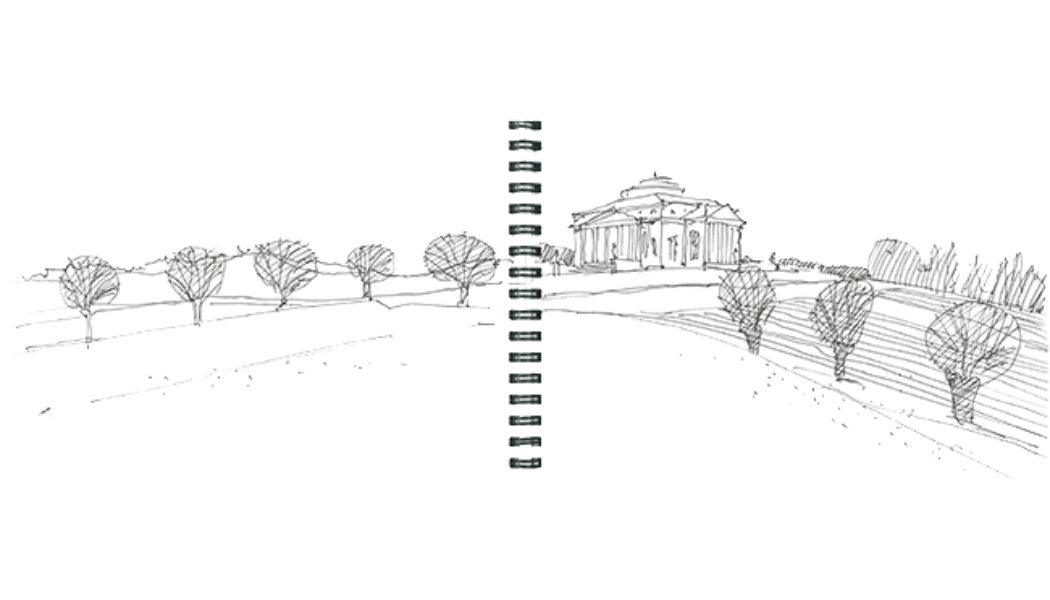

Hand Drawing Tutorial: Drawing Architecture
Drawing landscape and drawing architecture can be two quite different things. This week, we’ll look at drawing architecture and why it’s also important for landscape architects. Despite being landscape architects, we usually find it much easier to draw a building or an urban environment rather than a landscape. The reason for that is because of anthropogenic elements, such as architecture, which have very distinct and clear shapes and are thus easier to draw. A landscape, on the other hand, especially if it’s a natural landscape, is much harder to draw. There are fewer obvious patterns and clear shapes that our eye can recognize and translate into drawing. Still, there are a few things one can remember about drawing architecture that can benefit you as a landscape archit...Read More
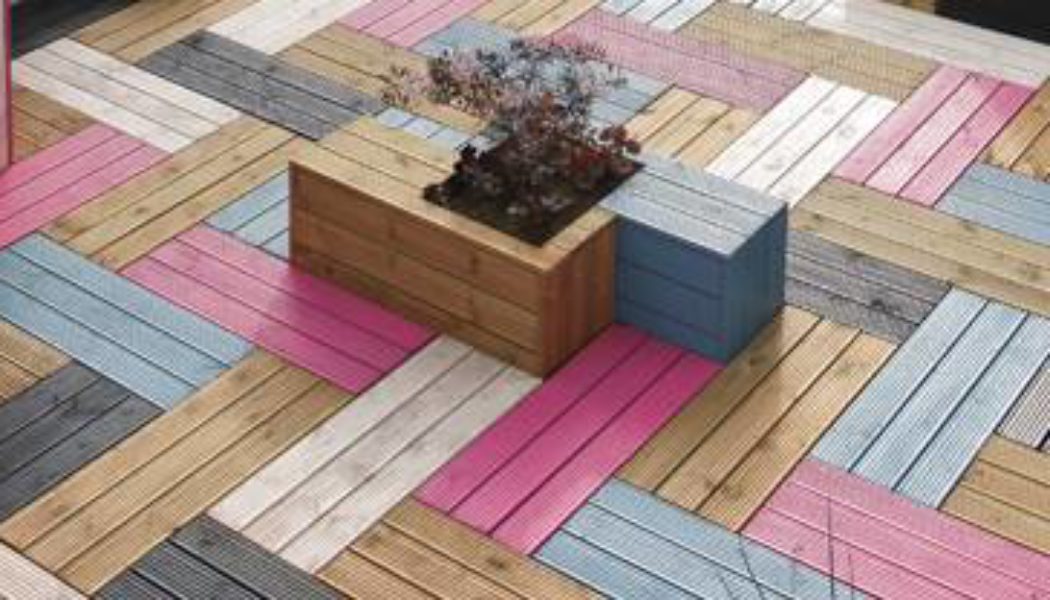

London College Gets Funky Rooftop Design
Studio Weave create high visual impact and welcoming outer space on this rooftop design. The architects from London based Studio Weave did not just add colors, but they used them to weave a new surface on the rooftop of the London College of Fashion building. With a bold color scheme, the roof garden has set a new pace in a landscape marked by the stability of gray and has become an attractive place where students can eat, chat or just relax. The design consists of applying timber decking painted in different colors to compose the floor, furniture and wall panels. This was a solution with low cost and rapid implementation that transformed the underutilized space atop the six-story building in a lively environment. Interviewed by Dezeen magazine, Studio Weave’s designer Eddie Bake explaine...Read More
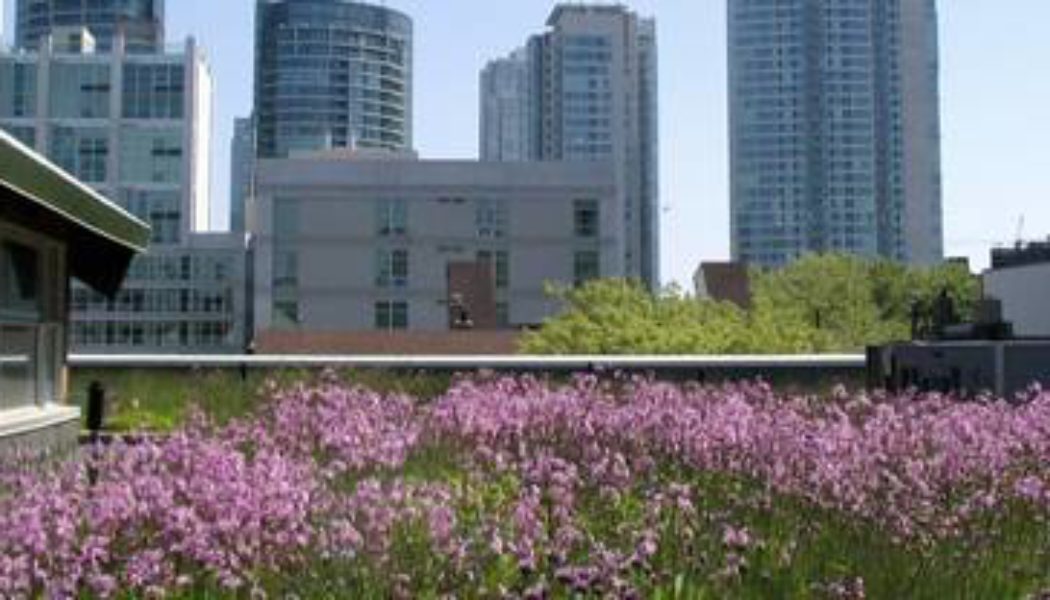

What Makes a Biophilic City?
Joseph Clancy, emerging expert on biophilia looks at what makes a biophilic city. To what degree must a city engage in biophilia to be classed as a “biophilic city”? Timothy Beatley describes a biophilic city as being “partly defined by the qualities and biodiversity present and designed into urban life, but also the many activities and lifestyle choices and patterns, the many opportunities residents have to learn about and be engaged directly in nature, and the local institutions and commitments expressed, for instance, in local government budgets and policies”. So how do we classify a city as a biophilic city? According to the works of Timothy Beatley, Biophilic Cities can be indicated by the following qualities: Biophilic cities have abundant nature in close proximity to large numbers ...Read More


4 Steps to Help You Get a Job as a Landscape Architect
How do you get a job as a landscape architect? So you have done everything they told you, you’ve applied every piece of information you got from your lecturers/tutors, your career guidance counselor and even professional landscape architects who are looking for workers. You’ve done everything to the letter; you’ve followed steps 1 to 10 and even thrown in a few more for good measure and somehow you are still unemployed, living with your mother and contemplating a temporary job in retail or telemarketing just to keep the funds coming in. Let’s face it, it’s been months in some cases years, you’re not getting any wiser, you’re not improving your skills and landscape architects for some reason are still not beating down your front door with job offers. You ...Read More
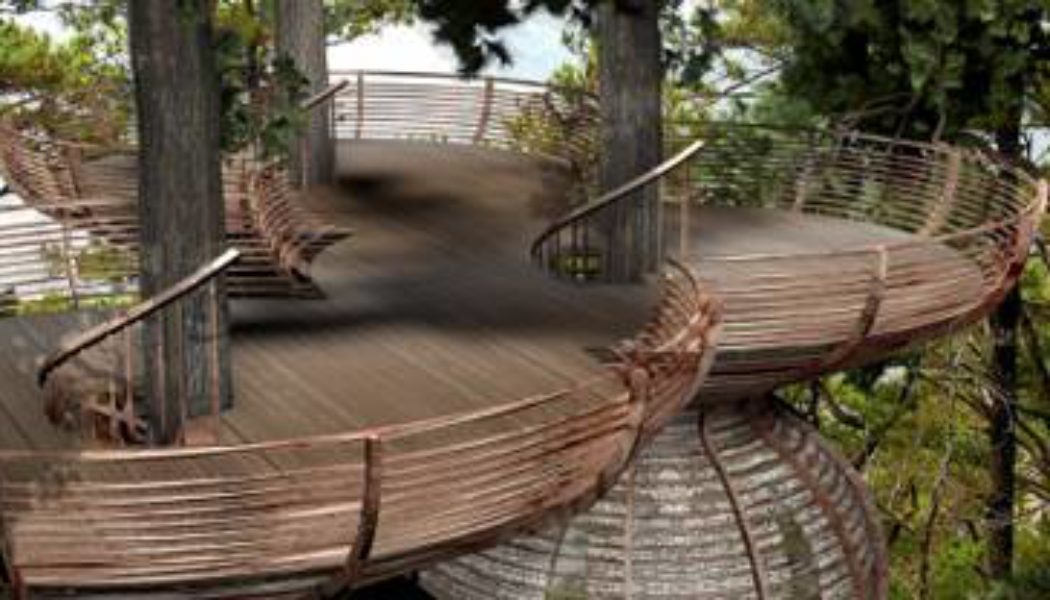

3 Incredible Nature Inspired Tree Houses
Tree Houses from Antony Gibbon Designs Antony Gibbon has redesigned the concept of tree houses with his innovative and bold ideas. His projects show how we can reconnect with nature using carefully chosen materials and a kind of design strongly inspired by the natural world. Here you have three projects based on the principles of biomimicry: so really well integrated and respectful of the landscape, but at the same time really audacious in terms of design. Embryo Embryo could be considered the most introspective of Gibbon´s designs, like a cylindrical silkworm cocoon growing spontaneously up through the trunks of the trees. However, nothing in Embryo is out of the designer´s control. Inside its distinctive shape there are two floors, which allow enough space to sleep for four people. Would...Read More
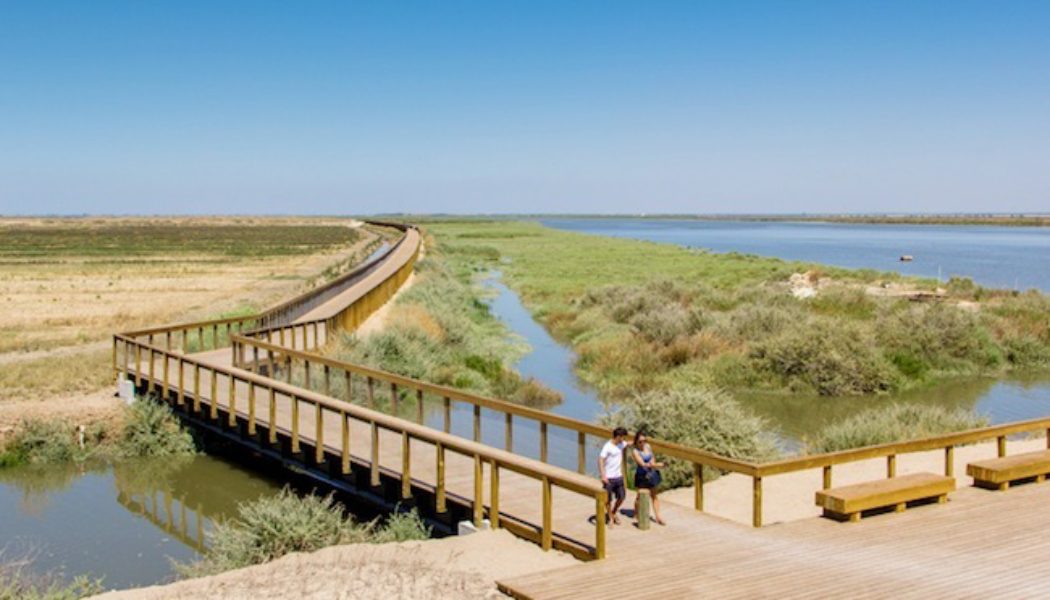

Filmtastic Fridays: Tagus Linear Park – Topiaris Landscape Architecture
Unlike with architecture, trying to capture the spirit of a landscape in digital media can feel downright impossible. Still images often don’t do the ever-changing landscape justice, but we think that this serene flyover video of Topiaris Landscape Architecture’s Tagus Linear Park does a pretty amazing job. Filmed with a drone in Portugal’s Póvoa de Santa Iria, this short and hypnotic video captures the genius loci of a post-industrial beachfront park and is perfect for those who can’t experience the space in person. Outfitted with solar powered lighting, Tagus Linear Park comprises 3.7 miles of trails and recreational space, much of which was created from recycled materials such as old shipping pallets and tires. The soothing, almost hypnotic flyover is set to a piano co...Read More


Filmtastic Fridays: How Can We Work with the Landscape to Make Livable Places?
The Landscape Institute is pleased to launch a new animation by cartoonist and urbanist Rob Cowan, titled: How can we work with the landscape to make livable places? This film brings the Institute’s current policy commitments on green infrastructure, water, public health and housing into a wider, global discussion about the livability of our towns and cities. Launched at a debate on the liveability of London, programmed in collaboration with the Campaign to Protect Rural England as part of the London Festival of Architecture, the six-minute animation shows how the liveability of our cities is contingent on designers working with the landscape rather than against it. RELATED STORY: Filmtastic Fridays – I Want to be a Landscape Architect It is the latest in a series of information vide...Read More
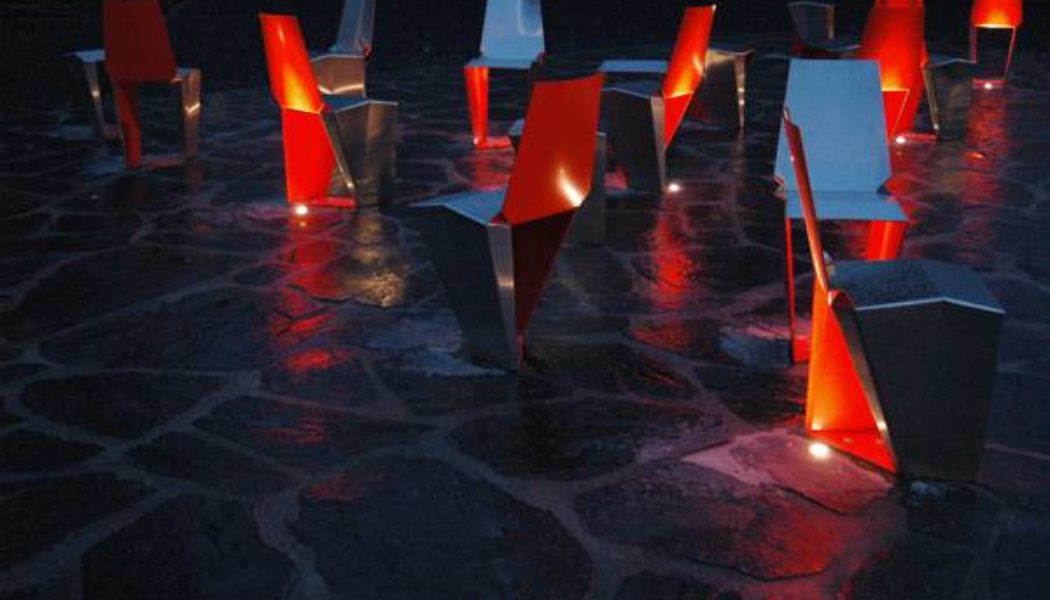

Transforming a Coal Mining Site into a Cultural Hub
HOSPER design Genk C-Mine. For much of its history, the Belgian city of Genk depended on coal mining for its economy and development. So when the mine at Winterslag closed in the late 1980s, city fathers knew that any repurposing of the site must reflect that legacy. Two initial plans for the site renovation fell through before HOSPER architects, in collaboration with Atelier Ruimteliijk Advies, created the design that has culminated in the Genk C-Mine square. The design, honed from 2006 to 2012, reconfigures the site’s open spaces around the remaining mining industry buildings and creates a cultural hub. A 0.5-hectare free space was rebuilt to accommodate a large variety of activities and events. From relaxing to chatting to watching concerts, local visitors and tourists can experience th...Read More