


Blog


Interview with Landscape Architect Richard E. Scott — Why I Sketch
“I find that pulling out pens, pencils, and tracing paper and sketching, especially in meetings, changes the mood and the design experience for others in the room in a very noticeable way. The sound of a pencil swishing across the paper, the movements of the arms, people watching something interesting being made with the simplest of tools – it injects fun into the atmosphere, and credibility for the person holding the pencil.” Richard, I’d like to begin this interview with the 25 year-old question: Do hand-drawing skills have any relevance in the landscape design office of the 21st century? Yes, for specific reasons. The first reason is production. There are times in the design process, especially early on, when a sketch is hands down the quickest way to develop or present an idea. The sec...Read More


Top 10 Pedestrian Bridges
Pedestrian bridges — or footbridges — are structures that link two distinct areas, providing access for pedestrians (and, in some cases, cyclists). In a world that is mostly vehicle-oriented, these elements are a great way to facilitate motion in the chaotic urban environment, where increasing traffic is a relevant issue. In terms of function, footbridges must provide safe and easy access across streams, roads, railroads, and so on. Although they are built more to a human scale (compared to highways and vehicular bridges), pedestrian bridges still make a big visual impact on the landscape, so aesthetics is very important to ensure that this impact is positive. With that in mind, designers have turned these elements into real works of art — check out our Top 10, featuring ...Read More

Filmtastic Fridays – Day in the Life: Landscape Architect
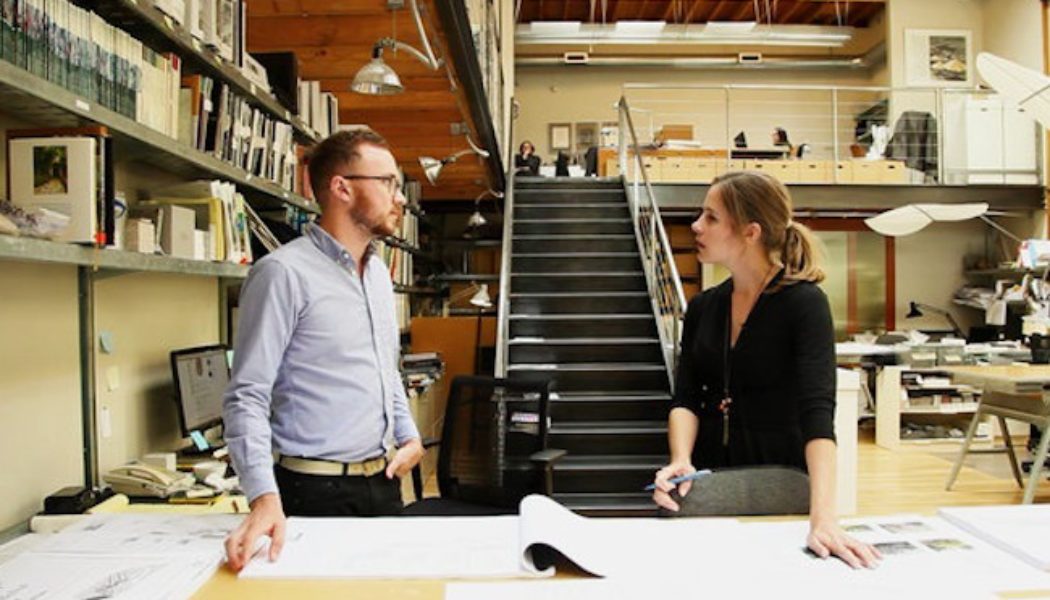
The Office of Cheryl Barton, a San Francisco-based landscape architecture firm, recently released an excellent behind-the-scenes look at the work of a landscape architect. The short film, which was created by ConnectED Studios, follows landscape architect Janice Nichol and her thoughts on “the importance of creative expression and past experiences when creating eye-catching public spaces.” From the video: “What I love most about the field [is] the fact that we’re creating space, the places that people live in and spend their lives, and get to make them more beautiful, more functional, more enriching.” – Janice Nicol Day in the Life: Landscape Architect from ConnectEd Studios on Vimeo. Missed last week’s Filmtastic Friday? No worries, you can check out our full...Read More


TechBeat Tuesday – AutoCAD Tip #7: How to Use Trim and Extend Even Faster
I’ll show you some simple workflows that I use to save time and make AutoCAD work even more efficiently. Trim and Extend are two important commands that I use – A LOT. These tips for making those commands work even faster can save you a little bit of time that will add up to a lot of time saving in the long term. METHOD 1 Start the trim tr; or extend ex command – press enter twice …now everything is a cutting or boundary edge METHOD 2 Use the fillet f command, select first line then shift select second line to extend and join lines in one step. Thanks to Beekee for alerting me to this little gem. QUESTIONS? I hope you found this helpful. Let me know if you use this method too! Click on the CADsmarter logo below to email me Paul Stafford


TechBeat Tuesday – AutoCAD Tip #6: How to Remove XREF Layers from the Layer List
WHY REMOVE XREF LAYERS FROM THE LAYER LIST? Every consultants drawing that you xref into your drawing has layers that show up in your Layer Manager. This quickly adds up to lots of xref layers to navigate through to find what you need. You don’t want to be scrolling through hundreds of xref layers searching for a particular layer. This takes valuable time – and time is money – particularly in a small business. So what is a smarter way to use the Layer Manager? WATCH THE VIDEO TO SEE HOW TO REMOVE THE CONSULTANT XREF LAYERS KEY INFORMATION ABOUT THE PROPERTY FILTER FOR YOUR XREF LAYERS NOTE: at 1:10 in the video the four (4) characters to enter for the property filter are shown in the image below: MY PREFERRED METHOD AND WHY I prefer the second method of creating a proper...Read More


Interview with Bernard Trainor of Bernard Trainor + Associates
Bernard Trainor is founding principal and design director of Bernard Trainor + Associates in Monterey, California. Many of BT + A’s large-scale projects include sites adjacent to California’s protected areas and state preserves. So by necessity and desire, BT + A’s design work performs that integral dance between design intent and the elements of nature. His recent monograph, Landprints: The Landscape Designs of Bernard Trainor, by Susan Heeger, beautifully portrays 10 of these special places. “I have come to realize that I am just adding a layer to the good work of the many who came before me. I am happy with that–I just want the layer I am adding to be really good!” How does a young surfer from southeast Australia find himself designing regionally approp...Read More

Top 10 Names in Planting Design
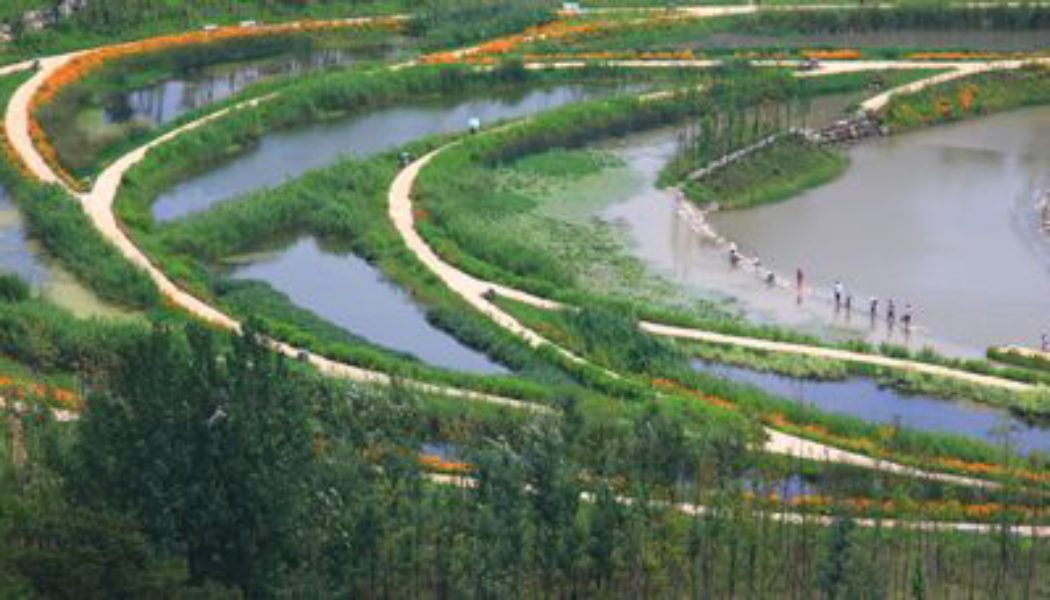
If you are into plant design, nature, and/or landscape architecture, chances are that coating the world in vigorous greenery is up there on your to-do list. However, sometimes doing so isn’t as easy as it seems, because without sufficient planting-design expertise, sooner or later you are bound to blunder. The following 10 names are professionals possessing authentic horticultural and planting flair, so take note. 10. Paul Thompson Landscape architect and deft planting designer Paul Thompson is a leading figure on the Australian scene. Forty years of experience has resulted in Thompson accruing serious plant performance know-how for species that aren’t so commonly cultivated in Australia. He was the brain behind the planting design for The Australian Garden, winner of the World...Read More


10 Great Apps for Landscape Architects – Part 2
The second edition to our hit article featuring apps. to make your life as a landscape architect easier. We are spoiled for choice when it comes to apps — they range anywhere from recording our sleep cycle to reminding us to brush our teeth. Apps are constantly being developed to make our lives more interesting, if not easier. The apps for architecture and landscape architecture are plentiful, adapted to our habits from desk to field research and everything in between. In this article, I hope to show you some apps that made my academic life a bit easier and provided a more fascinating and different approach to projects. Apps for landscape architects 1. Photosynth Photosynth stiches together numerous images of an area and puts it into one file, creating a panoramic picture. The app ta...Read More


Meadows by Design by John Greenlee| Book Review
In today’s world, a luscious, smooth, green carpet of a lawn in every garden is a given. No one seems to think or care about the strain that such high-maintenance greenery puts on the environment. The necessary water, herbicides and pesticides, the exhaust fumes of the machinery used to cut it — it is all an enormous burden we put on the surrounding natural environment. Fortunately, we have a choice — and John Greenlee proposes an excellent solution in his book “Meadows by Design”. Overview The author of “Meadows by Design” is so enthusiastic and knowledgeable about the subject that it makes the reader want to go out and tear down their lawn right away. Greenlee’s passion for meadows shines through every page of the book. He answers all the main questions you ...Read More


8 Amazing Facts About Trees That You Didn’t Know
Here at LAN, we love trees. Just check out our hit article Top 10 Sacred Tree which highlights some of the wolrds most special tress in all of their awesomeness. The benefits of trees are widely known, but there are some amazing facts about trees that you might not know and will surely blow you mind! 8. A balance of carbon and oxygen A single 30-meter-tall mature tree can absorb as much as 22.7 kilograms (50 pounds) of carbon dioxide in a year, which over it’s lifetime is approximately the same amount as would be produced by an average car being driven 41,500 kilometers (25,787 miles). The same tree could also produce 2,721 kilograms (5,998.78 pounds) of oxygen in a year, which is enough to support at least two people. According to the University of Melbourne, because trees grow fast...Read More


Filmtastic Fridays: Landscape Architecture Internships
As a follow up to this week’s Summer 2014 Internship roundup, today’s Filmtastic Friday spotlights the landscape architecture internship experience as captured in these three short and inspiring films by Sasaki Associates, OLIN, and SWA Group. Keep reading for a glimpse into the work cultures and internship programs at these landscape architecture firms! Sasaki Associates In this video, our summer interns and former interns now on staff share what they loved about the Sasaki summer internship, and how it propelled their careers forward. Are you looking for a chance to work with a diverse, interdisciplinary team of designers and tackle some of the world’s most interesting design and planning challenges? Learn more here: sasaki.com/about-us/Internships/ Sasaki Internship ...Read More


10 Tips Every New Landscape Architecture Professional Needs To Know
Landscape architect Brodie McAllister gives us his thoughts on what new landscape architecture professionals need to know in the first years of their career: At university, you have to balance deadlines for design and written work with a social life and the pressures of funding your place. You are challenged to let your imagination “fly” then pulled back to Earth with the consideration of practical details. This, to an extent, prepares you for the workplace after you graduate. However, nothing prepares you for work quite like “work”. What should you know or do, beyond what tutors have probably told you, to succeed in those first couple of years? It can be a bit of a hard landing when you finally get a job — there may be initial feelings of elation as you are released into the “rea...Read More