


Landscape Architecture for Landscape Architects › Forums › GENERAL DISCUSSION › What’s Wrong with This Picture: Episode III – Revenge of the Site
- This topic has 1 reply, 10 voices, and was last updated 12 years, 11 months ago by
 Calico.
-
AuthorPosts
-
November 13, 2013 at 7:00 am #154026
 Kirsten A KatherineParticipant
It’s very pathetic. University should be more focused in maintenance and proper cleaning of paver.
____________________________________
November 16, 2013 at 12:13 pm #154025Anonymous
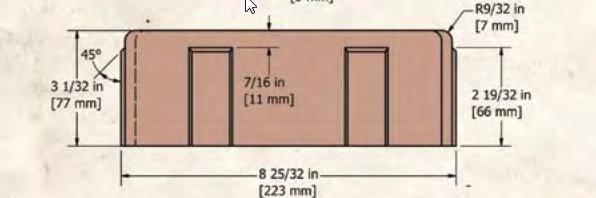
InactiveI’m not so sure Doug. They still look upside down to me. Where is the 9/32″ round on the edges of the brick? Also, the image in the brochure shows the spacing tabs ending 7/16″ from the walking surface of the brick. The photos of the installation shows squared off corners and spacers flush with the walking surface, please explain.
 November 16, 2013 at 4:08 pm #154024
 Alan Ray, RLAParticipant
You are correct, Sir!
November 16, 2013 at 4:54 pm #154023 Jason T. RadiceParticipant
This paver design comes in two varieties, molded and extruded. Molded is primarily for concrete pavers where a ‘dry’ concrete mix is vibrationally compressed to form the paver. That is the dimensioned drawing you show above. The other is an extruded brick, where the shale/clay is squeezed through a mold and then cut with a wire, thus the striated texturing in the face of the pavers shown in the lede photo. This manufacturer produced both.The extrusion process does not allow for the chamfers. It is akin to the play-doh thingie you had when you were a kid when you made noodles or star shapes where you put a blob of play-doh in, pressed down on the handle and it squeezed through a shaping die. It is also how certain delicious pastas are made. (Ziti, elbow macaroni, rigatoni, ditalini, manicotti, penne, rotini…etc.)
Here is a video showing ‘how the sausage’ is made. (What did we do before yins-tube? Oh yea…books). Anyway, please note that no less than three sides of the brick are handled by the equipment, and the people stacking the pallets are stacking the brick on its SIDE, and the weight is primarity borne by the sides, exactly where the spacer bar details are on this design. The ‘clay’ is still quite fragile before firing, which leads to damage to any detail on the sides. See in the large photo how the spacers are damaged by crushing or misalignment? That is a result of the manufacturing process.
This installation was of the extruded variety. I am still researching a response you may find suprising, hopefully I’ll not find what I am looking for in the literature I have located, and thus far, I have not. Stay tuned.
-
AuthorPosts

- You must be logged in to reply to this topic.