

Rural towns are making a strategic pivot: build an outdoor recreation economy that can steady local livelihoods when extractive industries swing from boom to bust. In Utah, places like Vernal and Richfield are investing in new experiences—mountain bike and off-highway vehicle networks, events, and destination anchors like the Ashley Gorge Via Ferrata—to bring visitors in and keep dollars circulating closer to home.
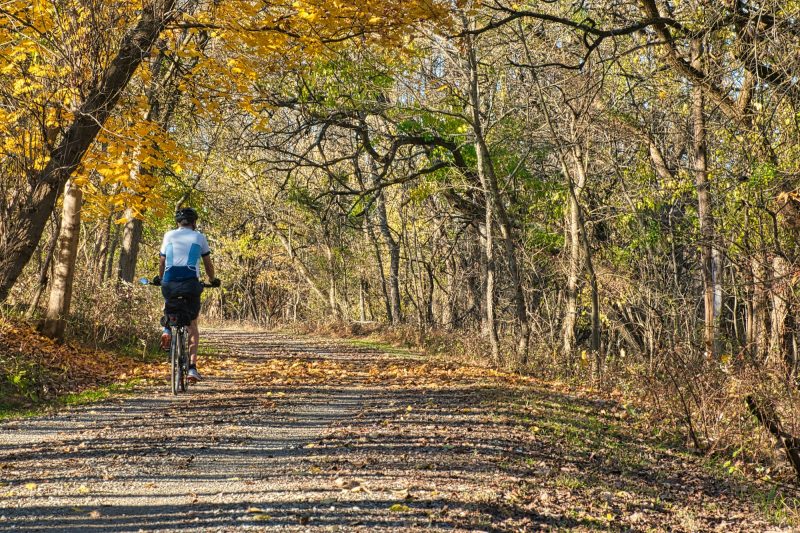
The national context is just as striking: outdoor recreation contributed $1.3 trillion to U.S. GDP in 2024 and supported 5.2 million jobs. But economically healthy communities need more than recreation. People want to move around safely and efficiently once they arrive. The outdoor economy is about destinations—and active transportation. Rather than encouraging a car-centric approach to navigating between attractions, planners should embrace a multi-modal vision that includes biking and walking.
Trailheads Create Interest, Networks Sustain
A new climbing experience or park can put a spot on the map. The question is what happens after the ribbon cutting. If the only viable way to get around is driving from one lot to another, towns end up with:
- Main streets that feel like high-speed corridors
- Visitors who “drive through” rather than “stay and spend”
- Families who won’t let their kids bike to the park—or the ice cream shop
- Workers who can’t safely reach shifts without a vehicle
- Event days that become traffic-management exercises instead of community celebrations.
The economic leakage is predictable: people play and rest near towns, then roll right past them. The fix is clear—safe, connected walking and biking infrastructure that sustainably links the outdoor experience to the local economy.
A Path Forward
Akron, Ohio, offers a useful model. The new Summit Lake NorthShore Park includes amenities to attract visitors—a covered pavilion, boathouse, free kayak and canoe rentals, a fishing pier, an accessible launch, waterfront seating, and gathering spaces. What makes the investment work as more than a standalone attraction is the network around it. A paved 2.25-mile trail around Summit Lake, completed in 2023, connects the neighborhood’s east and west sides and links directly to the 93-mile Ohio & Erie Canal Towpath Trail.
That is the difference between a destination and a system. The park creates interest; the trail network helps residents and visitors circulate, connect, and experience more of the community without getting back in the car every time.
Why Now?
Federal transportation law that boosted many community-scale projects is set to expire September 30, and the next reauthorization is taking shape right now. If transportation policy snaps back to a highways-only baseline, communities and those who design them will have fewer tools to build the safer, lower-cost connections that make that growth work.
Act Now: Build Lures with Links
If your community is investing in outdoor recreation to stabilize the local economy, treat connectivity as core infrastructure.
- Protect dedicated funding for walking, biking, and trails in the next surface transportation bill and in state/local programs. Add your voice to ASLA’s petition.
- Design for “park once” towns. Make it easy to arrive, leave the car, and circulate safely between lodging, food, shops, civic spaces, and recreation access.
- Prioritize the conflict points. Focus on crossings, speed management, and the stretches where highways double as Main Street.
- Bring landscape architects in early (with planners and engineers). They can help translate recreation goals into buildable networks, aligning trails with downtown, shaping trailheads that don’t overwhelm the community, integrating shade and stormwater, and packaging projects so they’re fundable and maintainable.
Outdoor recreation is booming. The towns that truly benefit won’t just build great places to go. They’ll build safe, connected ways to travel them—and fuel Main Street.
Published in Blog, Cover Story, News