


Blog


Geocaching: Treasure Hunting For BIG Kids!
Exploring the landscape in the 21st Century There are many ways to get out into the landscape and explore new places. Geocaching is an exciting and innovative way of exploring the landscape in search of hidden objects called caches. How does geocaching work? Geocaching relies on either a GPS unit or a GPS enabled device such as a smart phone. An object is hidden in the landscape or urban streetscape with a GPS sending device or tag. The person or people participating then have to find this cache using their device. The first to find the object wins. Geocaching can also be done non-competitively by simply looking for the objects at your own pace. WATCH: What is Geocaching? There are many apps you can download on Apple, Android and Windows platforms for using on your smart phone, so it’s a v...Read More
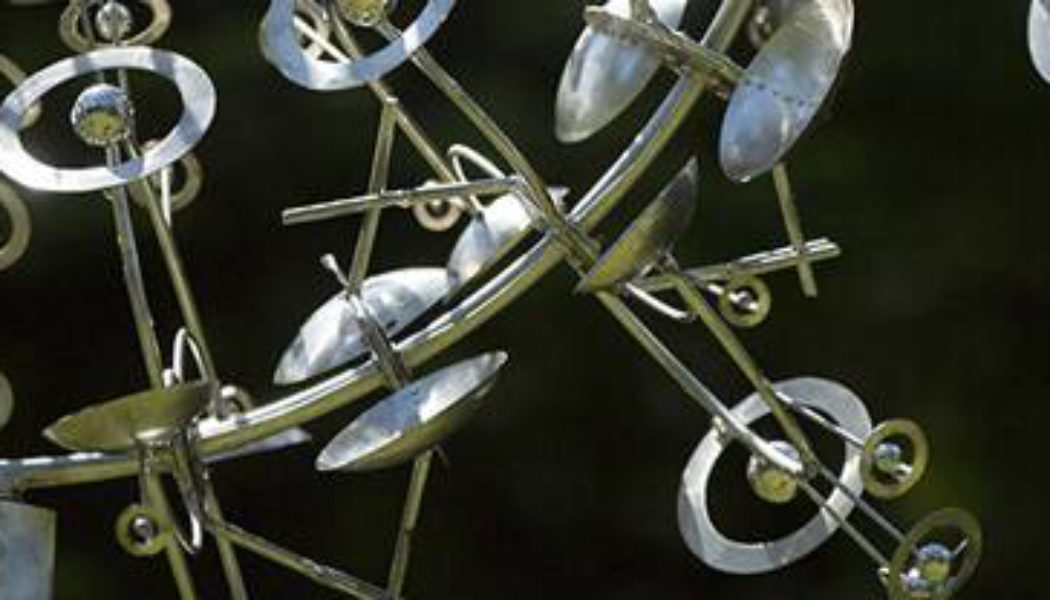

Amazing Kinetic Sculptures That Could Hypnotize You
A Review of Anthony Howe’s Outdoor Kinetic Sculptures. When Anthony Howe imagines his next masterpiece, he thinks about it in terms of shape, as other artists do. But his creative mind also works with an unexpected factor that absolutely makes the difference: the idea of movement. From the most subtle to the most obvious way, everything around us is involved in processes that bring change and dynamic patterns. Why shouldn’t sculptures have a little of that lively touch? In designing his bold creatures over the past 25 years, Howe seems to have sensed how essential movement is for our visual experience. In fact, his sculptures attract our senses in a powerful way as soon as we lay eyes on them. Amazing Kinetic Sculptures The Challenge of Playing with Nature Movement makes sense of the...Read More


Creating Incredibly Diverse Public Spaces
What should public space be? How should it function, and what should it look like? These are some of the major challenges facing a landscape architect approaching a new public space project. Everyone has their own opinion, and they’re entitled to it but I don’t believe there is currently a right answer. Instead, it would increasingly seem that public spaces can no longer simply be ‘attractive’ or serve a single function such as providing office workers with somewhere to eat lunch. Instead they must also be: sustainable; low-cost; environmentally friendly; safe; accessible to all; inclusive of all user groups; increase biodiversity; aid rainwater drainage; provide social, economic and environmental benefits, et cetera, et cetera… But how, if at all possible, can we tick all of t...Read More


Biomimicry: What is it and What Does it Mean For Landscape Architects?
Biomimicry or biomimetics refers to the direct study of nature, its organisms, ecosystems, and processes to inspire solutions to anthropogenic problems. It is based on the Darwinian principle of evolution through natural selection -the basic premise that species survive because they are well adapted to their environment. Traditionally, when researching for a product, designers will look at what products have gone before. Building on the successes of the previous models, designers then add new innovations to hopefully make a better product. This is commonly known as research and development or ‘R&D’ for short. In biomimetics designers look to how nature has solved problems. This is then studied and copied. This method of copying nature takes full advantage of the 3.5 billion...Read More


Biomimicry UK: Interview with Richard James MacCowan
Richard James MacCowan is a co-founder of Biomimicry UK. He recently completed his master’s degree in urban design at Leeds Metropolitan University, where he is now a Ph.D. researcher and part-time lecturer. His research focuses on using biomimicry as a tool in ecological design. Hi, Richard. Thanks very much for talking to us here at LAN. Let’s dive right in. Perhaps you could begin by telling us what biomimicry is? To borrow from notable academics, I would say biomimicry is the conscious emulation of nature’s genius. It’s looking at how we can mimic the form, processes of systems of nature to provide us with more resilient solutions. I say solutions instead of design, as using nature as inspiration is being used across many fields, ranging from landscape architecture through to economic...Read More
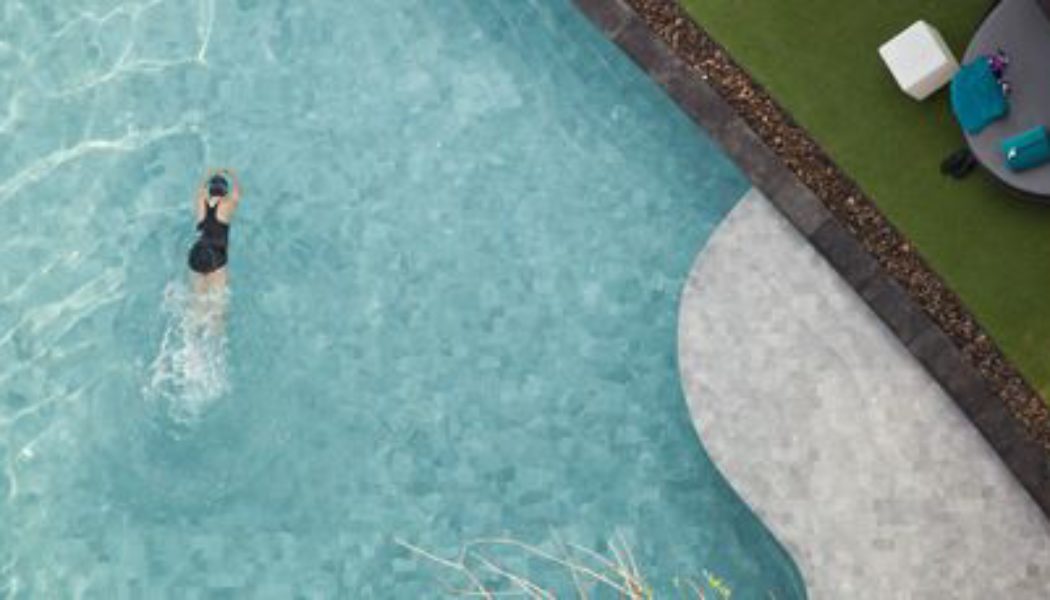

Awesome Plaza Shows You Why China Are World Leaders in Landscape Architecture
Vanke Chongqing Xijiu Plaza, Chongqing by ASPECT Studios As landscape architects, we are always striving to create successful places for all living things. In many urban places, designing successful places for large quantities of people to linger is a powerful tool for making cities more vibrant and livable. Hence urban squares and plazas can play a big role in shaping cities. When you look at designs like Lawrence Halprin’s Ira Keller Fountain Park, which was inspired by Columbia River Gorge, its success was tremendous in bringing people together amidst the busy city. Here is a design that proudly sits in the perfect context of its own city with the same aspirations of bringing about social interactions. The Plaza and Hope For The Future For this project, we travel all the way to Southwes...Read More
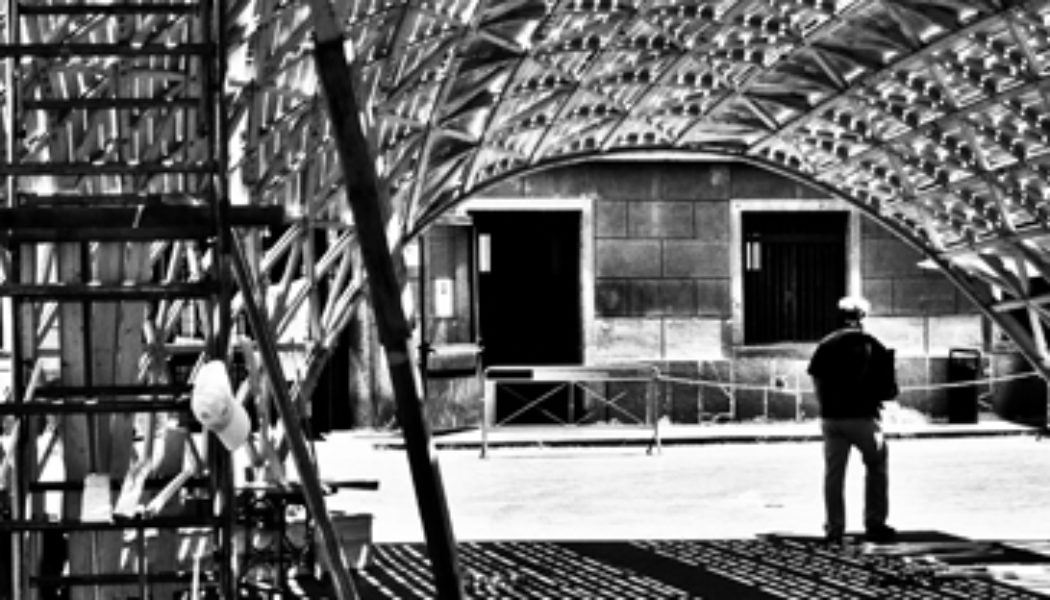

Naples Gridshell Urban Furniture Experiment
Gridshell, a timber structure, built for Naples School of Architecture courtyard, University of Naples”Federico II” by Gridshell.it What happens when the spaces we visit the most, or the spaces where we spend the most time always look the same? We get bored because nothing changes-neither the architecture, nor the furniture. When there’s nothing new to appreciate or discover we tend to see the area as an empty and boring place; and turn it into the last place we would like to linger. But when we find a way to innovate (even with a small change such as adding new furniture, color, textures or new lighting), that empty space could turn into an iconic place. Something fresh and new can make all the difference in bringing life and comfort to any space. The possibilities are endless, given the ...Read More


Sketchy Saturday | 026
This week’s Sketchy Saturday top 10. Welcome to what is becoming one of the world’s biggest databases of sketches online. Featuring hand drawn talent from the all over the globe. Every day you guys send us in your sketches, showing your latest creations and in some cases forgotten work which you have blown the dust of to submit to us, something we are really grateful for. This week we seen an array of fabulous work that is sure to inspire as it reminds us all why hand skills are still an integral part of being a designer, especially when it comes to designing outdoor spaces. 10. by Shamsul Johari B. Shaari, UPM-MLA “This drawing is part of my proposal for my urban design subject in MLA in University Putra, Malaysia. I tried to imagine the space, elements and functions of ...Read More
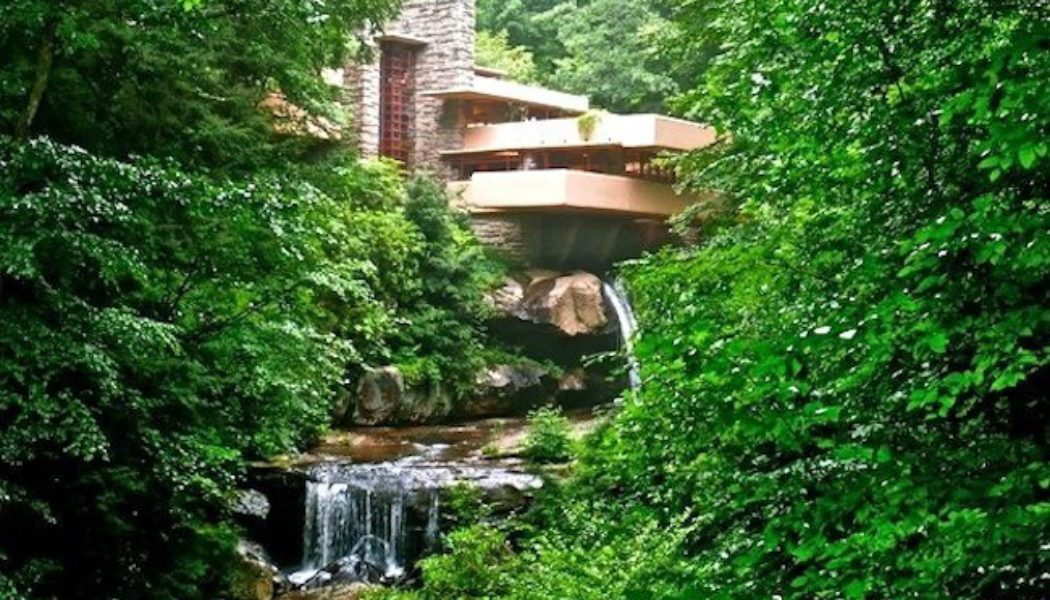

Fallingwater: A Must-see for Landscape Architects
Fallingwater, Frank Lloyd Wright’s celebrated masterpiece located a little over an hour outside of Pittsburgh, is one of the most famous houses in the world. Over five million people have visited the property since it was opened to the public in 1963. I added my name to that list once again when I visited recently for the first time in nearly 20 years. As before, I was not disappointed. If you haven’t been there, you need to go. Architects have long considered Wright one of their biggest heroes, and Fallingwater one of their most revered places. We landscape architects have our own list of hallowed sites, including Prospect Park, the Miller Garden, Sea Ranch, Bryant Park, Gas Works Park, and many others. While we typically like to see places designed by other landscape architects, Falling...Read More


Starting with Nothing – 8 Ways to Establish Yourself as an Independent Landscape Architect
Establishing Yourself as an Independent Landscape Architect You’ve been working for a landscape architecture firm long enough to get your license and now you’re thinking about going out on your own. It can be scary to leave the security of a group environment and decide that you’re capable and talented enough to do it all alone, but don’t worry, with the following tips your firm will be up and running before you know it. 8. Build a nest egg Don’t quit the job you have until you’ve saved enough money to get you through the next year. The worst thing you can do is try to start a business without any assets, you’re going to need cash for the latest printers and computer software if you want to be a true competitor, not mention money for food and housing. So, don&...Read More


Developing on Inner City Brownfield Sites
Growing urban populations are placing pressure on local governments to provide solutions to the challenges that this migration creates. One of these main challenges is: ‘where do these additional people live, work and recreate?’ Many modern cities grew on the back of industry but in modern times these industries have become obsolete or unable to compete with global competition. As such, many industrial areas within our towns and cities are not the central, thriving areas they once were. To make better use of the prime, inner-city real estate that these areas occupy, brownfield sites are being identified for redevelopment into new inner city mixed use suburbs as one way to accommodate growing population demands. Examples of this approach can be seen in Neu Oerlikon, Zurich, Canary Wharf and...Read More
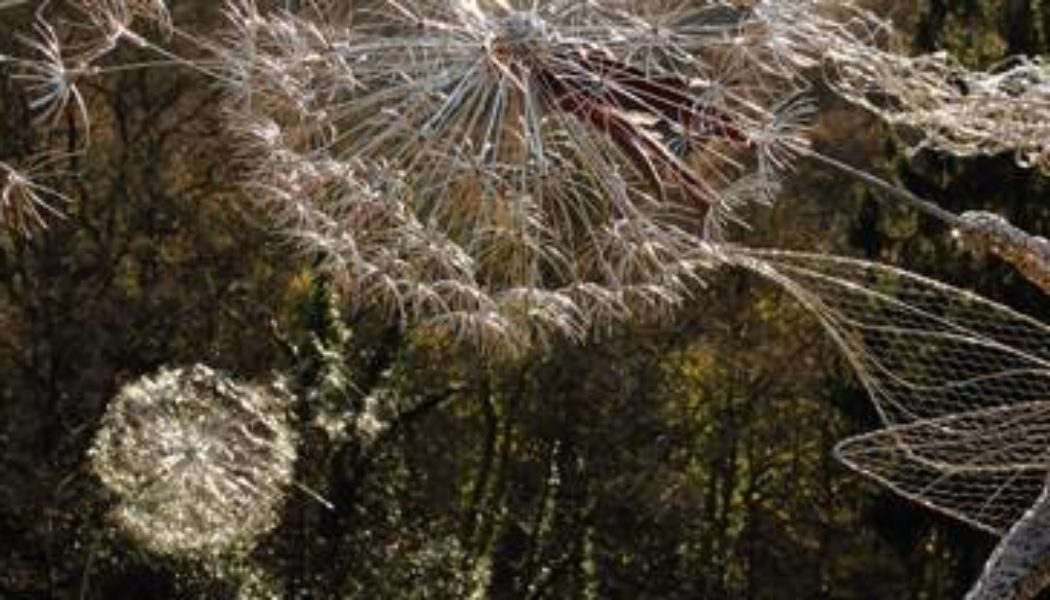

Awe Inspiring Wire Sculptures of Fairies and Dandelions
Artistic wire sculptures from Fantasywire. Outdoor sculptures cannot be viewed as a separate entity from its surrounding environment. They are powerful in a sense that they have the power to change the way you read your surrounding, depending on their scale and design. Placing a sculpture within a landscape design means it can either enhance the space or give emphasis to design and planting throughout the year, or it can make the design look distasteful. For this reason, making and siting a sculpture involves all of the creative, intuitive and rational skills. Every so often, we manage to find talented artists who can make sculptural artwork blend beautifully well with the environment. Robin Wight from Fantasywire is one of those examples. He can transform our childhood fantasy into realit...Read More