


Blog
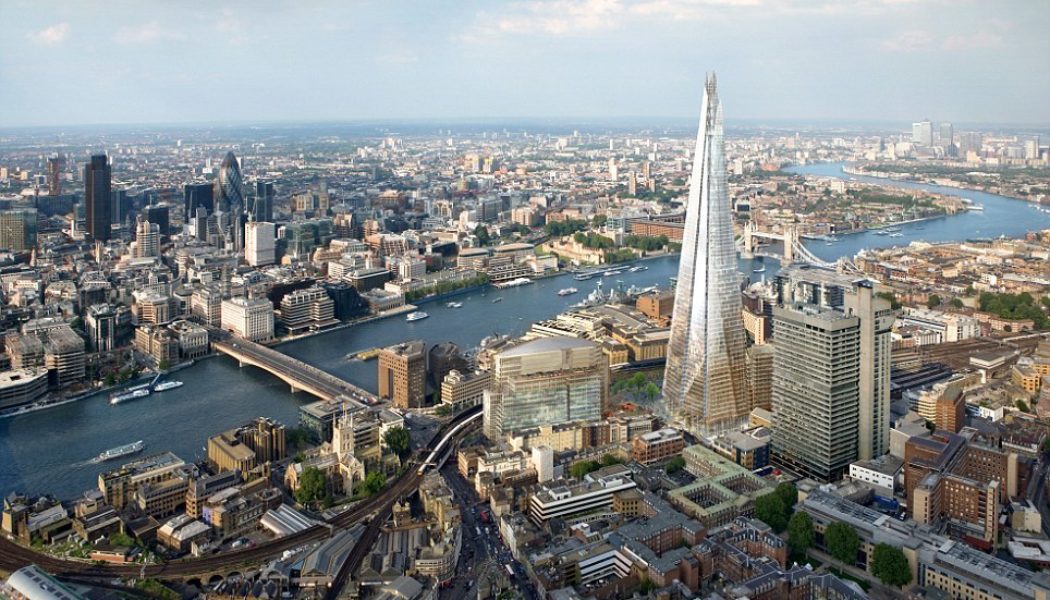

Demand for Landscape Architects in the UK is Booming! Could it be Time to Pack Your Bags?
The global economic downturn has had an undeniably profound effect on the profession of landscape architecture. From the USA to Europe, Asia to Australia, we have all been affected, albeit to varying degrees of disaster. Whilst some countries are still floundering in the aftermath, the UK is currently experiencing a somewhat unexpected predicament: a surging market and not enough landscape architects to meet the demand! RELATED STORY: Filmtastic Fridays – I Want to be a Landscape Architect So, how exactly did this happen and what does it mean for landscape architects like you and me? One man in the know is Carl Thomas, founding director of UK-based Locri Recruitment. With prior experience as a landscape architect and over eighteen years advising and recruiting landscape architects an...Read More


Networking for the Rest of Us
Welcome to the last of five posts (here are post one, two, three, and four) about networking (finally!!). It took me a staggering 9 months to write this last post; I was not typing the entire time, I swear. I’m sorry for the delay if you were actually looking forward to this, though I believe that sometimes things happen for a reason. Perhaps some of the experiences of the last month here have been why I didn’t get my act together before now. Last month, I left my job and decided to be full-time “on my own”. Networking before was an important part of being a professional, but now it is a matter of getting that next project or not…. And if not, then (shudder) getting another job. For me, networking always seemed to “businessy” and not my style. I’ve always been schmooze-averse, and ne...Read More


A Greener Housing Solution Reducing The Impacts in The Neighbourhood
Ideo Skyle-Morph Sukhumvit Green Housing Solution Designed by shma It is not a novelty that the increasing growth of the cities resulted in the rise of high buildings to meet the demand for housing. As little space has been left for gardens, most of the urban environments are facing imbalances between constructed and green areas. Different solutions have been presented to revert this scenario, but how many of those are really achievable and sustainable? An example that is worth being studied is Morph Condominium’s landscape design because its authors developed a practical approach to integrate the construction to the surrounding area. The Design’s Concept Shma Landscape Architectural Company, based in Thailand, introduced the high rising Morph residential condominium in 2013 with reduced i...Read More

EPA Announces Winners of the 2013 Campus RainWorks Challenge
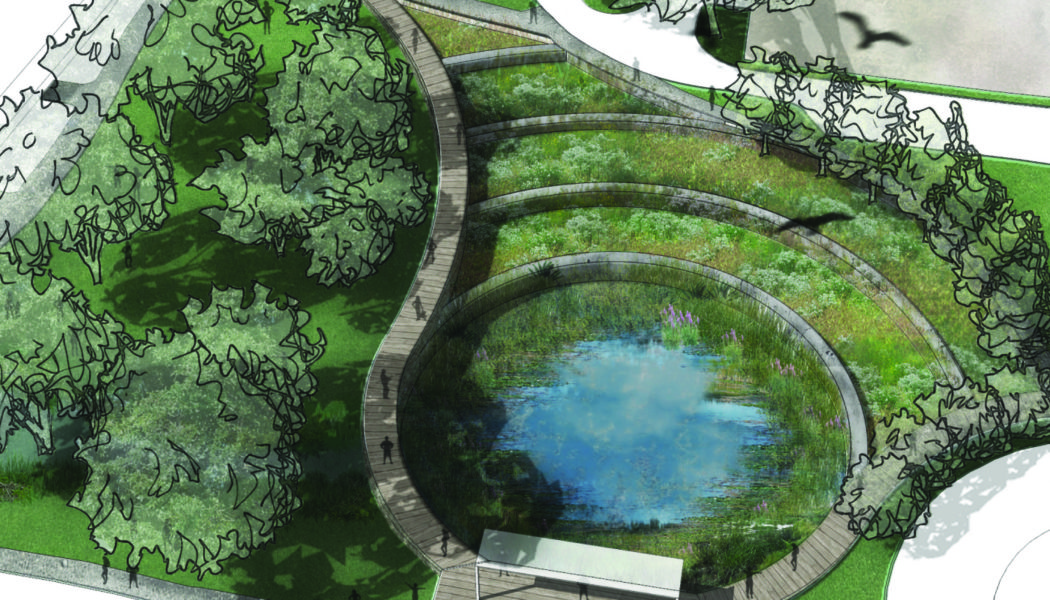
Standard urban development builds systems designed to move stormwater quickly away from where it falls. The efficiency of gutter and pipe systems allows stormwater to carry sediment, bacteria, nutrients, and even heavy metals into bodies of water. It also places more stress on natural waterways because runoff is quickly discharged into main systems, increasing peak flows. To encourage non-traditional thinking about drainage systems, the EPA has asked students to examine how green infrastructure can reduce these issues. A seating nook designed beside a rain garden and wet meadow in a winning entry from Kansas State. The EPA’s annual Campus RainWorks Challenge prompts university students to propose utilizing green infrastructure on their campuses. The competition aims to have students co...Read More


RheinRing Bridge is a Work of Art!
RheinRing designed by Marco Hemmerling. Linking two bridges crossing the Rhine in Cologne, Germany, could have been a simple exercise in functionality. But the RheinRing, designed by Marco Hemmerling, would be a work of art providing an ambient space where people can socialize and linger. The sweeping arc of the planned structure adds an essence of modern art and surrealism to an area often filled with art afficionados and tourists visiting the Ludwig museum. The RheinRing, to be located in one of the most significant public urban spaces of Cologne, would link the Hohenzollernbrücke and Deutzer Brücke bridges. It would represent the city’s new center, as well as be the link between the two halves of Cologne’s inner core. Hemmerling’s design, with a structural concept by Stefan Polónyi, wo...Read More


Artistic Fire Pits For Long Summer Nights
Artistic fire pits from Fire Pit Art Rick Wittrig once purchased a fire pit from a “big box store” only to be immediately disappointed by the quality and craft of the product. Wittrig quickly took matters into his own hands, creating his work with the mission of creating handcrafted, long-lasting, artful, and functional fire pits. The features are welded by hand, shaped, designed, and molded with immense care. As an artist, metalworker, and craftsman, Wittrig says, “Where others might see a pile of rusty metal, I see art in the making.” Landscape Use The designs by Rick are typically used as a focal point and gathering place in the landscape. While often specified in residential projects, installations by Rick Wittrig also have been incorporated into projects such as the Vancouver Olympics...Read More

Why Should You Have a Grass Roof?
In landscape architecture or architecture itself, major concepts often come in small packages. A little detail can make the base of a whole project; it is often these elements that make a building stand out or have a unique character which improves its overall look and function. One of these elements can definitely be represented by grass or green roofs, and though this may seem like another new feature for houses in the flooding wave of the eco trend, grass roofs are actually a very old invention, dating from many centuries back. Grass or sod roofs, as they can also be called, were used by the Vikings in most of Scotland and Ireland, and though this particular architectural design may be a feature of the northern, cold bearing civilizations, its use was quite motivated even from those tim...Read More
Hand Drawing Tutorial: How to Draw Mountains
In this week’s tutorial we’ll look at how to draw mountains. Their interesting rock formations make mountains one of my favorite landscape types to draw. I also find their shapes and patterns a great source of inspiration for design. I usually start the process by drawing the shapes of the peaks. At the same time I also start adding texture to the drawing. Mountains comprise many lines and shapes in form of cracks and rock layers. Try to draw as many of those as you can to better describe the shape of the mountain massif. In general, the lines run more vertical if the surface is steeper and more horizontal if it’s more flat. Since we want to analyze and understand the shape of the mountain landscape, we can try adding shade on the mountains. There are always dark areas on...Read More


Chunling Wu’s Recommended Landscape Architecture Drawing Tools and Essentials
As a follow up to commonly asked questions about the drawing equipment I use in my landscape sketches, I’ve rounded up a list of some of my commonly used tools. These days, many art supplies are quite expensive. Luckily, however, I don’t use many expensive tools. For beginners, I strongly suggest starting with simple tools because they are easy to use and more affordable. In addition, starting out with the bare bone tools makes it easier to see how line quality can then be improved with higher quality equipment. RELATED STORY: Interview with Urban Sketcher Chunling Wu I usually use color pencils/watercolor color pencils for design rendering and watercolor for urban sketching. I encourage you to try different media and mixed media because doing so can help you find your personal preference...Read More

30 Landscape Architecture Firms To Keep Your Eye On!
What makes a landscape architecture firm truly amazing? Is it awards or recognitions? Is it a special design method? Or is it just pure talent? The following is a list of landscape architecture firms known not only for their numerous awards and recognitions, but also for the unique twist they incorporate into their designs and for the joy people experience when they visit their projects. In alphabetical order, they are: 1. AECOM Considered a mega-multidisciplinary firm, AECOM employs everyone from engineers and architects to planners and landscape architects — and this is in addition to numerous other brands the company markets. AECOM has offices all over the world, and landscape architecture projects include multi-acre corporate landscapes, small urban parks, resorts, downtowns, and...Read More
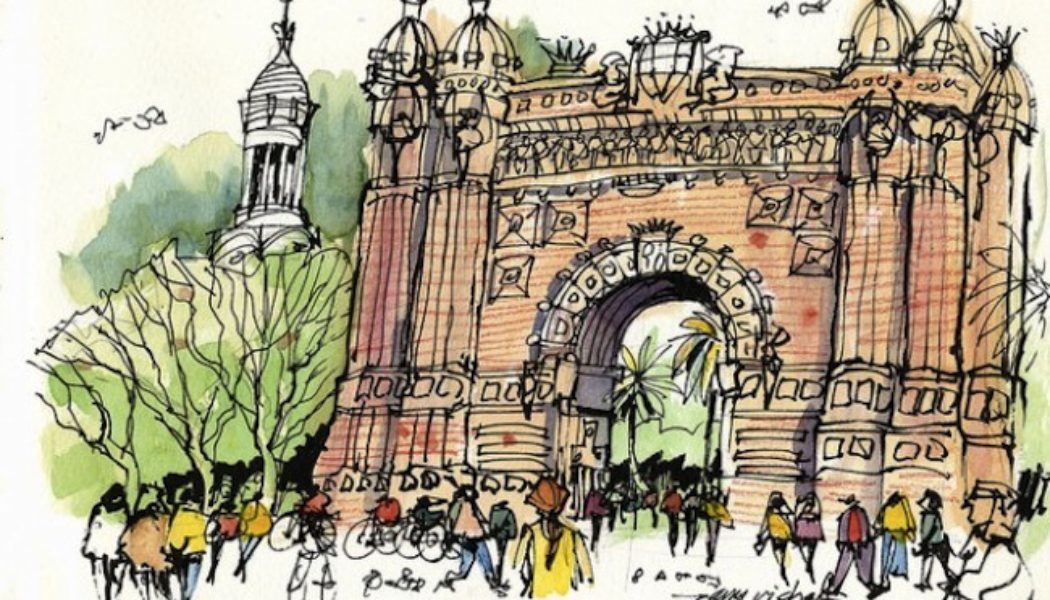

James Richards Interview on Travel and Urban Sketching
Your sketches have a very unique, fun style to them. How did this develop? My visual sense is undoubtedly shaped by the magazines and comics I read as a kid. I’d try to emulate the drawing styles of Mort Drucker, Ronald Searle, Paul Hogarth and others, so there’s some of that there. Also, the demands of my professional work as an urban designer has trained me over time to draw very quickly, so the speed of the strokes and the natural “left-handed lean” that results from my working fast probably translates into a more loose, fun style. La Sagrada Familia, Barcelona What inspires your work? I travel a lot (43 countries so far); I’m inspired by the architecture, lively plazas and the buzz of positive energy I feel when I’m walking in great cities. Best of all is the people watching; as a desi...Read More


Does Beauty Still Matter?
There was a time, not too long ago, when the quality of urban landscapes was determined by what they looked like and what it was like to be in them. Their ecological and human health benefits were well known, but these were seen mainly as positive by-products of what was more important: improving the quality of life for people living in cities by providing them with access to nature, or at least some semblance of it. The desire for urban parks was rooted in a simple, yet deep appreciation for the beauty of landscape. These days, however, even as the urban landscape has a higher profile than ever before–thanks in part to grand new parks in cities such as New York, Chicago, St. Louis, and Los Angeles–it seems less and less acceptable to evaluate such places merely on their aesthe...Read More