


Blog

Digitising Landscape Architecture: Rhino in Landscape
Rhinoceros (Rhino for short) is a standalone 3D modelling program that provides a flexible and versatile modelling environment for a variety of architecture, engineering and construction (AEC) industry professionals, from architects to industrial designers; including landscape architects! Its interoperability, multidisciplinary toolsets, relatively low learning curve (compared to other high-end 3D modellers/renderers) and modest price tag make it quite an attractive option for those looking to incorporate 3D modelling within their design, documentation and presentation workflows. BIM-enabling modelling as well as technical drawings all within Rhino What makes Rhino’s modelling capabilities so robust is its use of NURBS geometry. What are NURBS you ask? NURBS NURBS (Non-Uniform Rational B-S...Read More
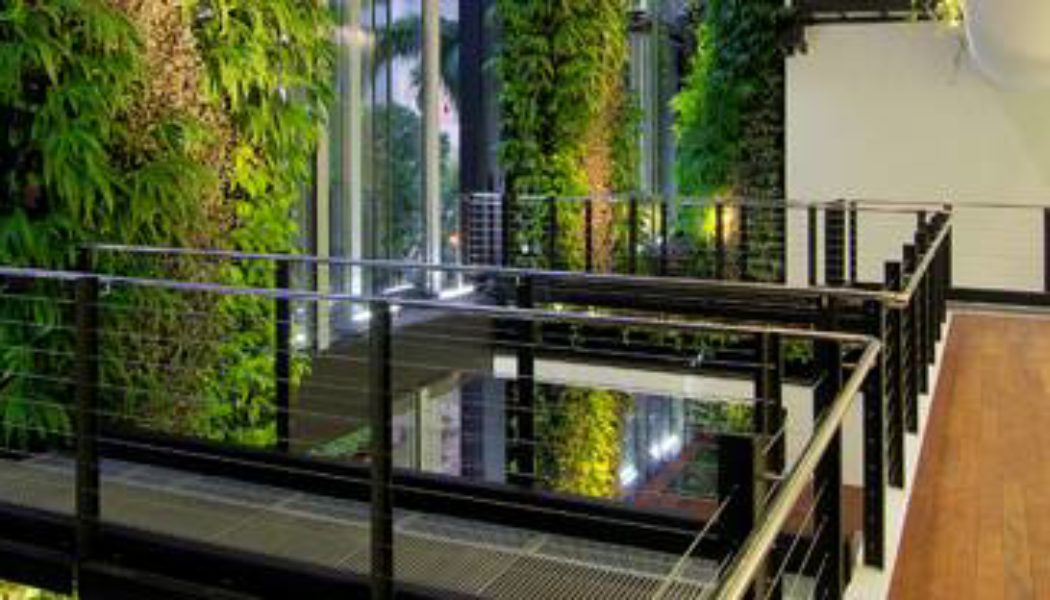

Green Wall Transforms Lifeless Building
Green wall at Cecil Street designed by Tierra Design + POD How do you turn a boring office building into a green paradise? The designers from Tierra Design + POD transformed this previously “naked” space into a stunning vertical garden that enhances the building’s features and provides the perfect ambience for a workplace – combining landscape architecture, engineering, and interior design skills. The Building This office building on Cecil Street in Singapore’s Central Business District had three stories added to its already existing 10, which had a big impact on the overall architectural proportions. The extended height resulted in a boring and far-too-long atrium not in accordance with human scale, creating a distant and uncomfortable environment. No other element can be more effective a...Read More
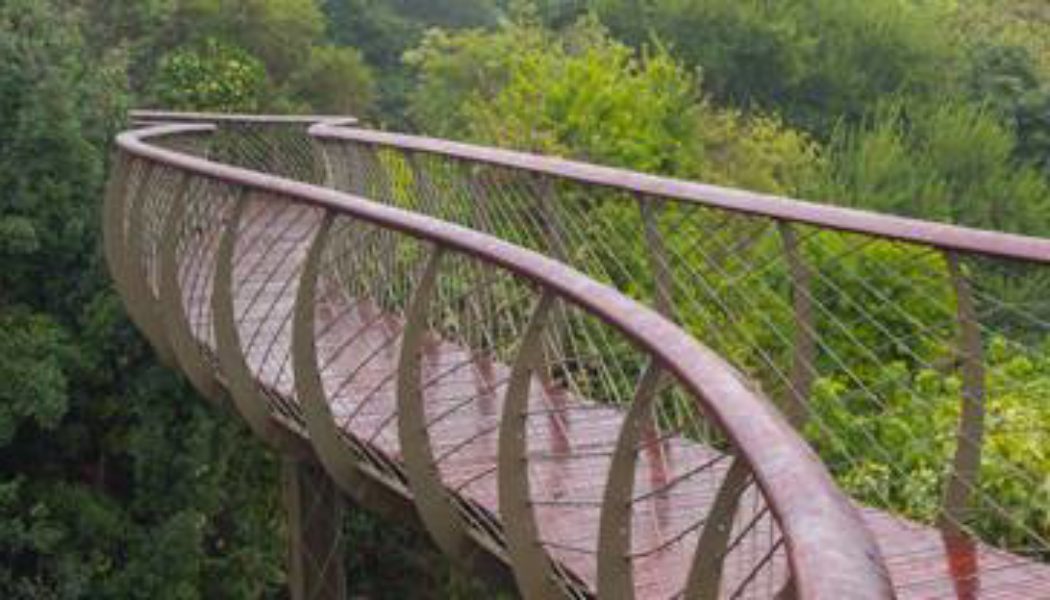

Sensational Winding Tree Canopy Walkway
Mark Thomas Architects design Kirstenbosch’s tree canopy walkway. Kirstenbosch’s Tree Canopy Walkway was inaugurated in May 2014 to celebrate the centenary of the National Botanical Garden in Cape Town, South Africa. The Botanical Garden was created in 1913 and is part of the 528-hectare state area, declared a UNESCO World Heritage site due to the large variety of animal species sheltered by the forest on the east side of Table Mountain. The place, already famous for its biodiversity and natural beauty, has the centenary walkway as a new attraction, not only for its innovative design, but also because it provides different perspectives to experience the garden. Planned since 2012 and built from 2013 to 2014, the “Bloomslang” – which means tree snake — was designed by Cape Town-...Read More


10 Books to Read in Your Fourth Year of Landscape Architecture
Top graduate Joe Clancy shares his top book recommendations for your fourth year of landscape architecture. Continuing on from our first, second and third articles, here are 10 books that helped me through my fourth year of Landscape Architecture. Prices quoted are from Amazon. However, shop around, as they aren’t cheap. Of course, check your University’s library first. In case you missed any of our lists make sure to click on the links at the end of this article. 10. Wetland Design (Robert L. France) Covering the creation, restoration, enhancement and construction of designed wetlands, this work provides a practical guide for wetland design on a local, site-specific scale, and reviews the impact of wetland design projects on the environment. More than 150 key principles and practice...Read More
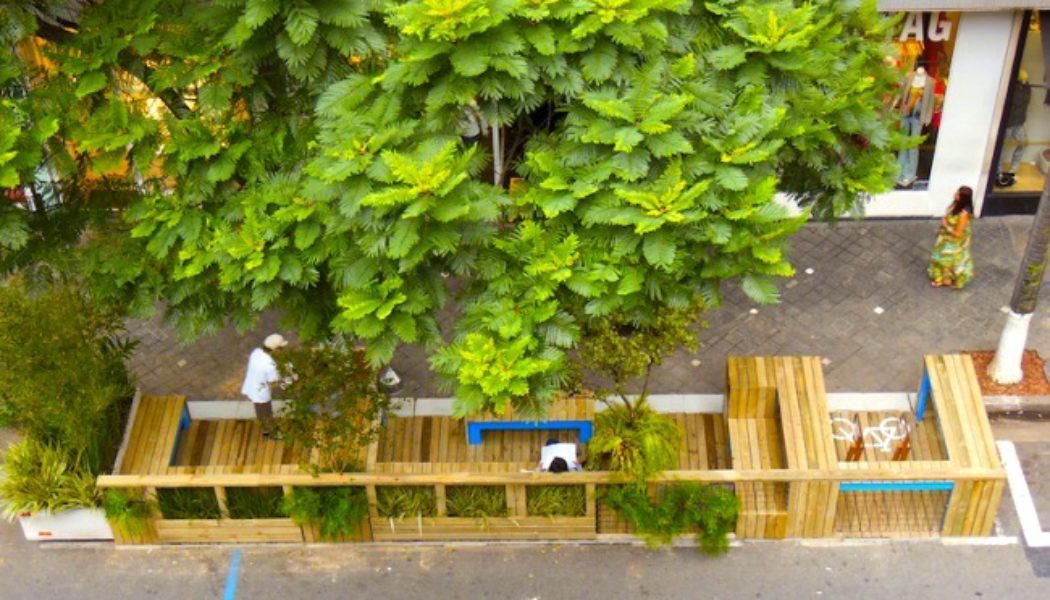

São Paulo Transforms Parklets into Public Policy
You’ve probably heard about Parklets: the simple but ingenious concept of transforming parking spaces along the street into publicly accessible recreational areas. Initially inspired by Rebar art and design studio’s one-day parklet installation created in San Francisco nine years ago, this innovative and hugely successful approach to public space management has been emulated across the globe and has now reached Brazil’s largest city, São Paulo. A series of temporary parklets were introduced into São Paulo’s public realm during Environment Week last year. The initiative received wide-spread media coverage and was embraced by citizens, sparking a demand for more pedestrian friendly spaces throughout the city. The city listened to the public chorus and in April of thi...Read More

10 Books to Read in Your Third Year of Landscape Architecture
Top graduate Joe Clancy shares his top book recommendations for your third year of landscape architecture. Continuing on from our first and second articles, here are 10 books that helped me through my third year of Landscape Architecture. Prices quoted are from Amazon. However, shop around, as they aren’t cheap. Of course, check your University’s library first. Keep an eye out for my follow up articles on book lists for 4th year. 10. Guerrilla Gardening: A Manualfesto (David Tracey) The term “guerrilla” may bring to mind a small band of armed soldiers, moving in the dead of night on a stealth mission. In the case of guerrilla gardening, the soldiers are planters, the weapons are shovels, and the mission is to transform an abandoned lot into a thing of beauty. Once an environmentalist’s non...Read More

Incredible Double Footbridge in Paris
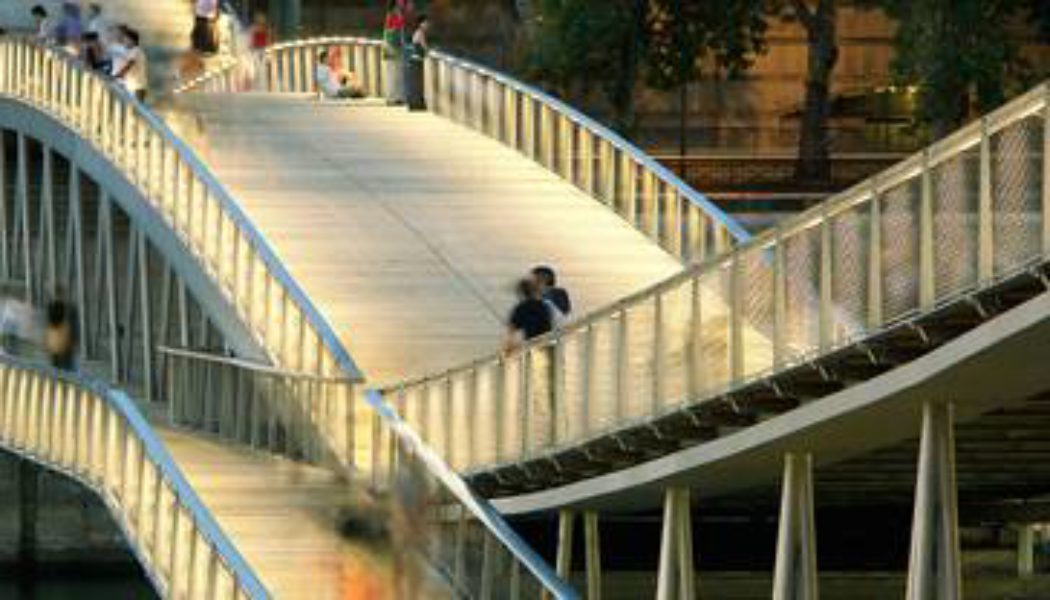
Passerelle Simone de Beauvoir designed by Dietmar Feichtinger Architectes. The Passerelle (footbridge) Simone de Beauvoir is the 37th bridge in Paris and it is one of the four bridges in Paris dedicated to pedestrians. Elegantly and cleverly floating over River Seine with its undulating shape, it is unique and interesting enough to provide comfort for any kind of break or exploration. It connects Quai François Mauriac with Quai de Bercy, giving easy access to the Parc de Bercy on the right bank of the Seine and to the piazza of the François Mitterrand site of the French national library or BNF (Bibliothèque nationale de France) on the left bank. The Design Designed by Dietmar Feichtinger Architectes, the footbridge is named after France’s great woman philosopher, known for her feminist bel...Read More

Hand Drawing Tutorial: Analytical Drawing – Urban Scenes
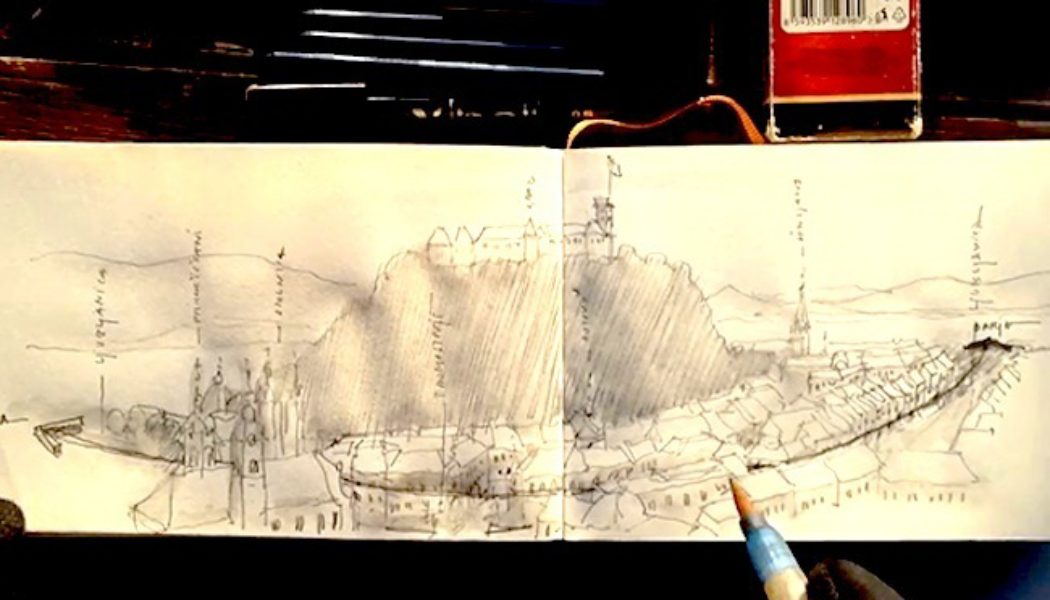
As I always like to say: drawing is a tool for analysis, observing and thinking. That’s why a drawing can be much more than merely a recording of a view. It represents our thoughts and ideas at the certain time associated with a certain object or place. Field sketching and drawing is great for landscape architects, since it helps us remember a certain landscape or it’s part. But another layer of information can be added to the drawing. In the video bellow, I draw a view of a medieval urban scene. One can quickly understand the morphology of the place – a hill with a castle and a town that has developed around it. But in order to remember non visual information as well, I add names and functions of certain more important buildings in the view. There is also an element that...Read More


Public Square Gets Modern Design
Landschaftsarchitekten design Town Hall Square Solingen The industrial city of Solingen is located in western Germany. In 1993, the city chose to condense a series of municipal services into a new and contemporary addition to the surrounding architecture. This brought about the desire to create a new municipal precinct comprising municipal services, office buildings, multigenerational housing, and commerce. This new quarter was advertised as a design competition, with the German firm scape Landschaftsarchitekten winning the landscape architectural honors. The first phase of the project was completed in 2008. Concept The team at scape Landschaftsarchitekten conceptualized Solingen Town Square as an “urban living room” — a public place for citizens to engage and interact, particularly ...Read More

10 Books to Read in Your Second Year of Landscape Architecture
Top graduate Joe Clancy shares his top book recommendations for your second year of landscape architecture. Continuing on from our first article, here are 10 books that helped me through my second year of Landscape Architecture. Prices quoted are from Amazon. However, shop around, as they aren’t cheap. Of course, check your University’s library first. Keep an eye out for my follow up articles on book lists for 3rd and 4th year. Note: Everyone will have their favorites and this list is only a small portion of the material out there. There are “must reads” and “classics” and so on, but I feel the choices below are, currently, the most relevant and current. 10. Design With Nature (Ian L. McHarg) In the twenty-five years since it first took the academic world by storm, Design With Nature has d...Read More


How Different Climates Affect the Growth of Vertical Gardens
Vertical gardening in any climate can be extremely complex. The regional climate, or plant hardiness zone, is the biggest overriding climatic aspect that needs to be considered, along with the neighbourhood microclimate, and the microclimate of the wall itself. USDA Hardiness Zones in North America, image via Wikipedia REGIONAL CLIMATE The regional climate plays a big role in determining what kind of vertical garden system is appropriate for a given site. As an example, if the site experiences a long winter below 0°C, a hydroponic system would be out of the question if the garden is to stay in place throughout the winter. These types of systems are not designed to freeze, and if they are installed in colder climates, insulation/heating or complete removal will be necessary to protect the g...Read More


A History of Vertical Gardens From Simple Vines to Hydroponic Systems
Vertical gardens have been growing in our cities and homes for centuries. The surge in vertical gardening technology in the 20th century has made this fact easy to forget. So, in case you’ve forgotten, or maybe you never knew, here is a brief history of the evolution of vertical gardening! via Landscape Architect’s Pages, Image © Davis Landscape Architecture Ltd, London, UK IN THE BEGINNING, THERE WERE VINES The first vertical gardens date back to 3000 BCE in the Mediterranean area. Grape vines (Vitis spp.) were, and continue to be, a very popular food crop for people in the region, so they were commonly grown in fields, homes, and gardens throughout the area. Sometimes vines were planted for the purpose of growing food, and others to simply provide shade in places where planting tre...Read More