


Blog
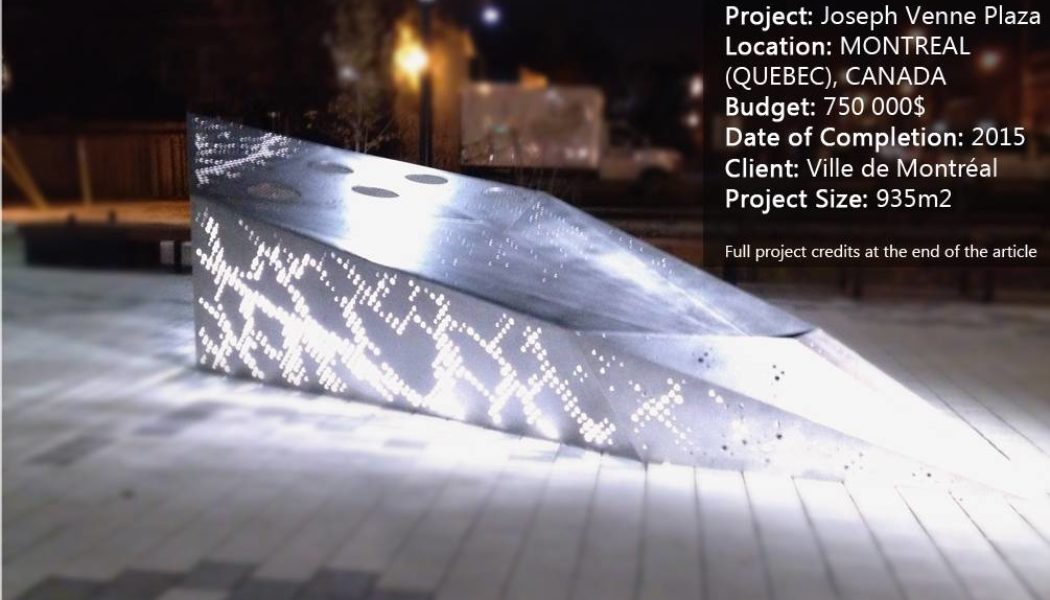

How NIPPAYSAGE Turned an Old Parking Lot into an Awesome Public Plaza
Article by Farah Afza Jurekh – Joseph Venne Public Plaza by NIPPAYSAGE, Ontario Street, Montreal (Quebec), Canada. Design is a powerful tool. It has the ability to transform and do magic. Landscape architects amaze us by bringing out a whole new outlook, the potential of a place from merely nothing, especially in revitalization projects. Joseph Venne Public Plaza, located in Montreal (Quebec), Canada, is one such intriguing project which has turned an old parking lot – a boring space – into the heart of the neighborhood. The space which was once being ignored by the residents is now the center of attraction, the meeting place of the St. Marie’s neighborhood. Joseph Venne Public Plaza Revitalization of the Neighborhood Joseph Venne Public Plaza, designed by NIPPAYSAGE, is a part of th...Read More
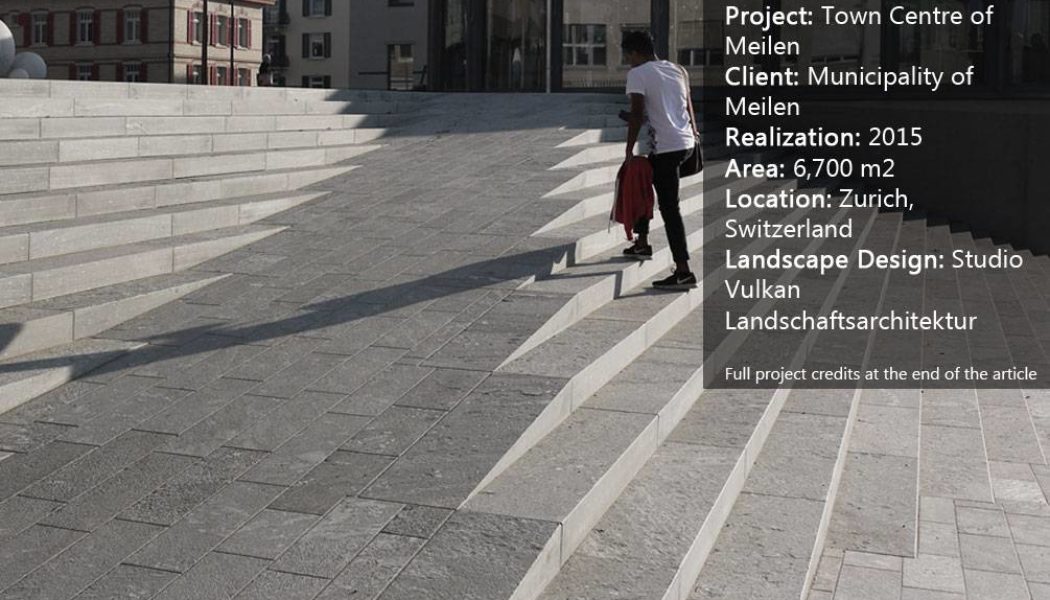

What Can This Town Hall Square Teach You About Design?
Article by Alexandra-Elena Ciocan – Town Hall Square of Meilen, by Studio Vulkan Landschaftsarchitektur, in Zurich, Switzerland. I think we can all agree upon the fact that landscape architecture is often confused with “gardening”. While it is a compliment that we, nature lovers and landscape professionals, accept with grace, there is so much more that the domain has to offer. One example is the Town Hall Square of Meilen, a project that Studio Vulkan Landschaftsarchitektur has brought to life in the center of Meilen, Switzerland, by changing the directions trending in that domain. The scheme envisioning the square’s design comes to complete the architectural planning of the Village Hall, along with the creation of an underground car park. Town Hall Square of Meilen What was once a b...Read More
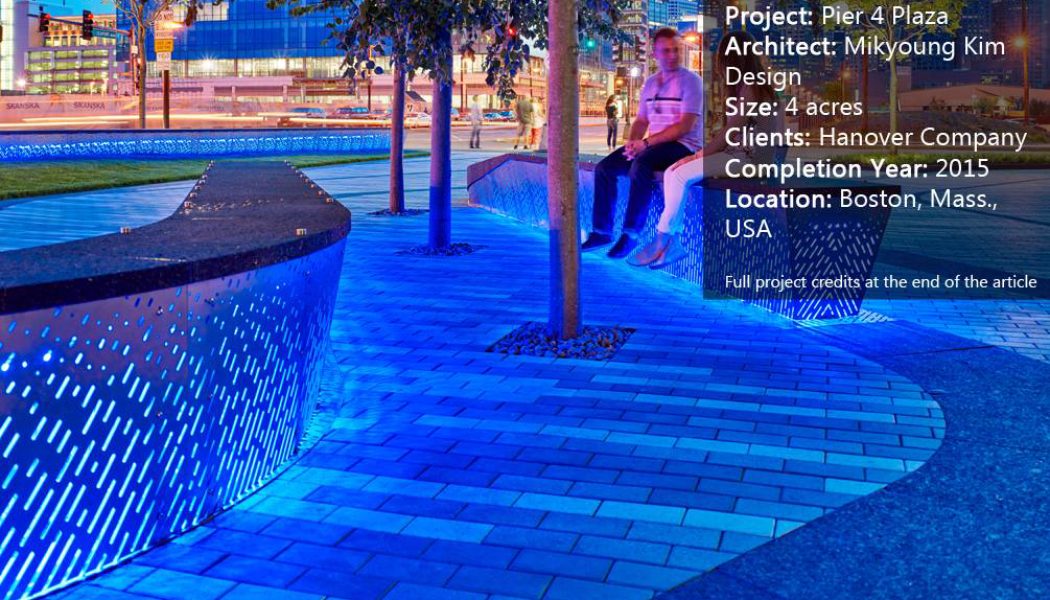

Pier 4 Plaza Encourages Connection with Boston’s Waterfront
Article by Mai Nguyen – A review of Pier 4 Plaza, by Mikyoung Kim Design in Boston, Mass., USA. Mikyoung Kim Design office (MYKD) has just completed another landscape project in Boston’s Seaport District – Pier 4 Plaza. By using geometric forms following the building’s outline, the designer has established not only a connection with the external area, but also a link between the interior and exterior spaces. The dynamic and creative design of this type of public amenity helps enrich the landscape experience for visitors. Last but not least is the amazing lighting design: The harmonious integration of public amenities and lighting creates an attractive nighttime landscape experience. Pier 4 Plaza Working with only about four acres, Mikyoung Kim Design still managed to turn Pier 4 Pla...Read More
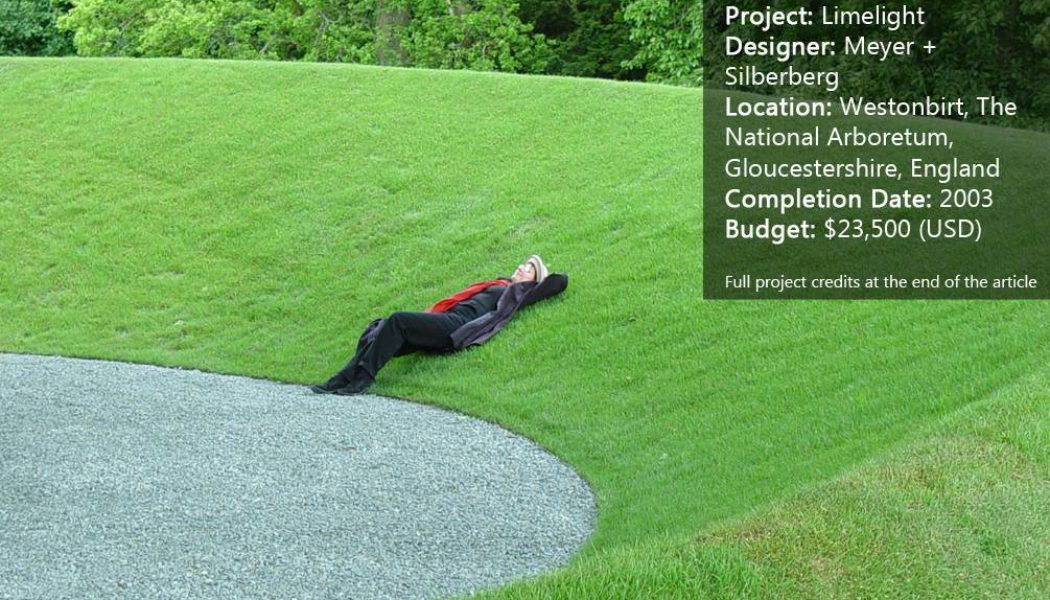

Garden Festival Reveals New Perspectives at a Public Arboretum
Article by Alexis Alvey – A review of the Limelight during Garden Festival, designed by Meyer + Silberberg Land Architects in Westonbirt, The National Arboretum, Gloucestershire, England Limelight, by Meyer + Silberberg Land Architects, is a minimalist garden installation that was created at Westonbirt, The National Arboretum of England, for its 2003 International Festival of Gardens. Although the installation was temporary, Limelight demonstrates how innovative design can be successfully incorporated into a traditional public arboretum, leading to new ways of perceiving the natural landscape. Putting a Tree in the Limelight At an arboretum, trees take center stage. The Limelight installation pays homage to the centrality of trees in the landscape by elevating their importance on the scal...Read More
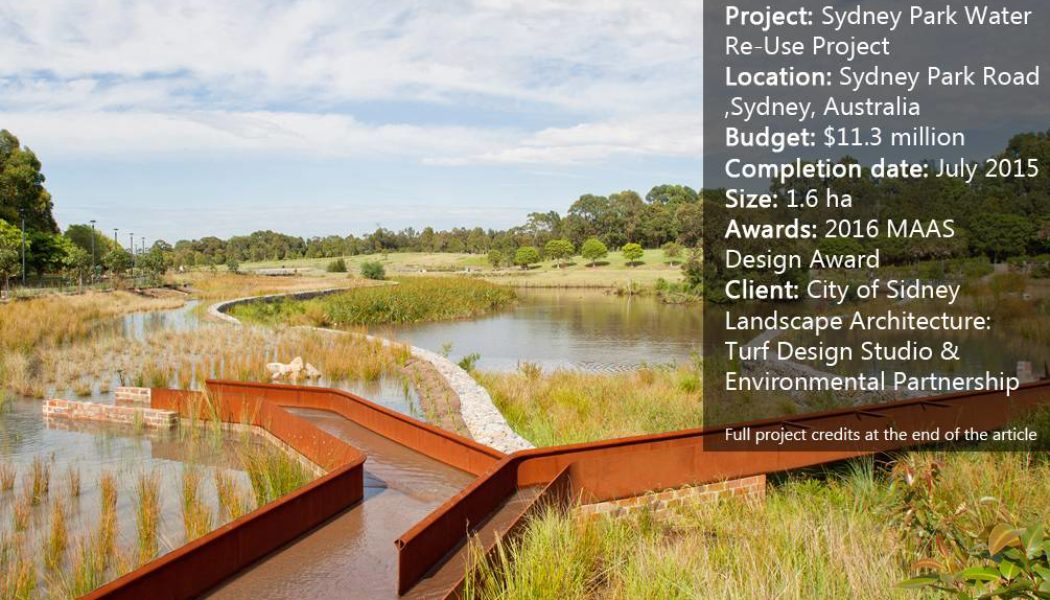

Is Sydney Park an Environmental Revolution?
Article by Alexandra-Elena Ciocan– A review of the Sydney Park Water Re-Use Project, designed by Turf Design Studio & Environmental Partnership, in Sydney, Australia. Do you want to know how the innovative Sydney Park Water Re-Use Project manages to deliver answers and solutions to the people and the world, while constructing a better, more feasible future? The translation and reinterpretation of what sustainability means have converged in this Australian park, as the result of the teamwork of landscape architecture firm Turf Design Studio and Environmental Partnership (TDEP), along with other specialists. For most of us, re-use means nothing but recycling plastic bottles or giving new purposes to long-worn household items. We seem to fail to picture the concept on a bigger scale. Can ...Read More


10 Reasons Why You Should Use Permeable Paving Over Standard Paving
Article by Alexandra-Elena Ciocan – We take a look at the topic of permeable paving and see what advantages it has over standard paving in the world of landscape architecture. Permeable paving, going by the nickname of “thirsty paving”, is a concept which echoes sustainability and durability. Even though we’ve been familiarized with it by now, this remains a rather new approach to laying the paths through beautiful landscapes. If it’s the first time you meet & greet the idea, learn that what it brings to the business is a clean structure, which is composed of a base and a sub base of different spacing, granulation or porosity. Its main purpose is to enable the stormwater to flow through the surface. As simple as it sounds, this choice stands with multiple benefits for your proje...Read More
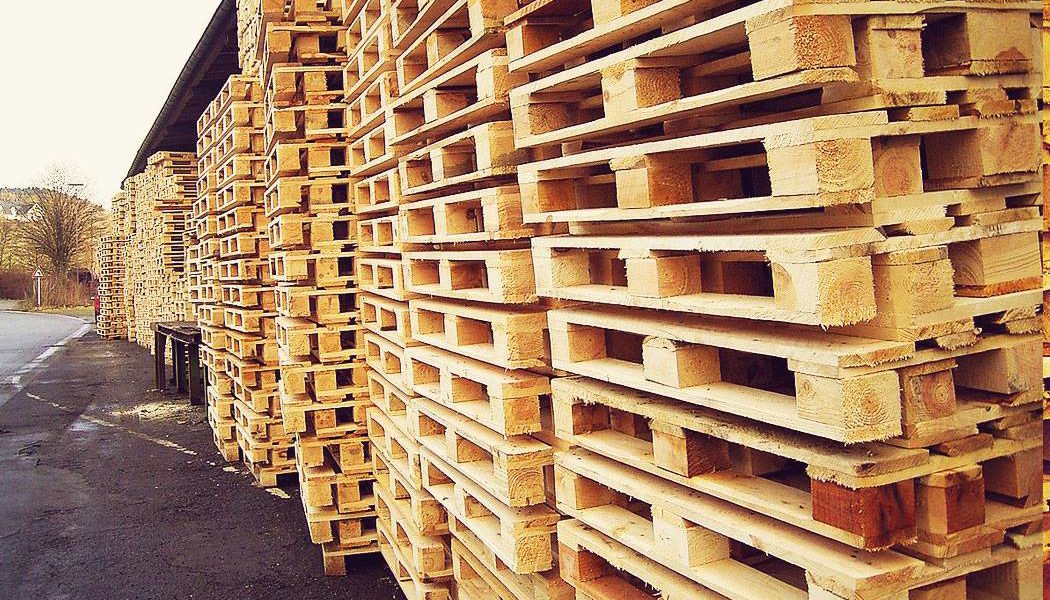

Six Industrial Situations Involving Wear-Resistant Products
Today we take a closer look at durable materials and explore six industrial projects involving wear-resistant products. Wear-resistance is a common desire for most companies. They want their supplies, products, and manufacturing equipment to resist any wear, rust, and corrosion that occurs. With wear-resistant products made by companies like AJ Weller, this desire can be met. There are at least six industrial projects that involve resisting wear and avoiding corrosion. Protective Coating on Pipes Pipes, pulleys, chutes, and all other industrial process pieces easily become corroded over time. This is due to the many chemicals that are put through them on a regular basis. Using a protective coating on these pipes and similar devices ensures they are resistant to wear and will last for much ...Read More
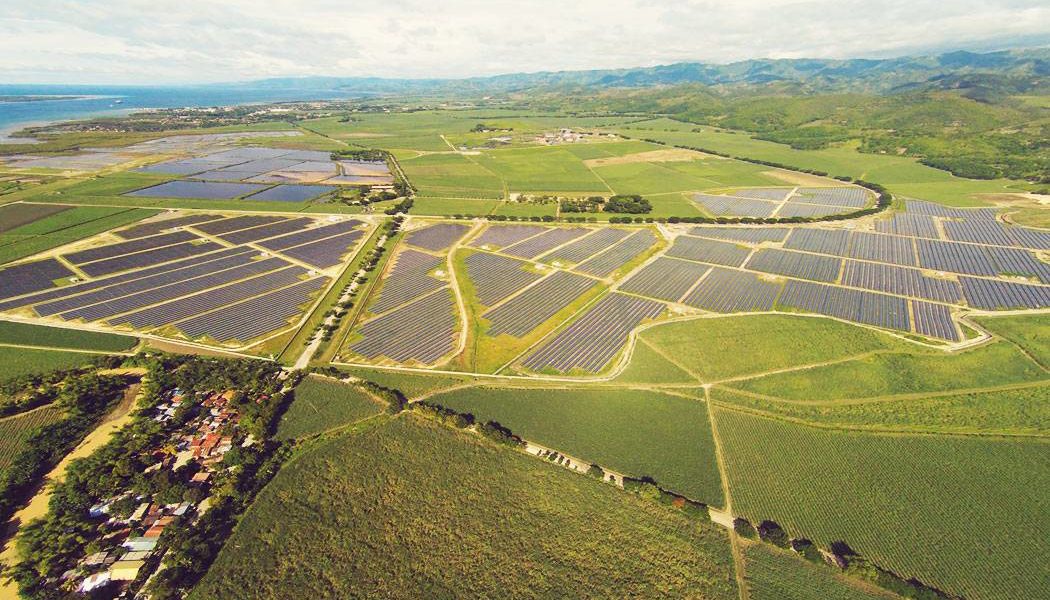

Why We Need To Take Solar Energy More Seriously
Today we dive into the interesting topic of solar energy and discuss why we need to take solar energy more seriously. We live in an age where we can tap into the abundant energy of the sun, which is 109 times the size of the earth. Using the energy of the sun can free us up from the reliance on fossil fuels, which is a limited source of fuel. If we do not start taking advantage of solar energy and other alternative sources of power, civilization will literally come to a standstill in less than a hundred years at our current rate of global energy consumption. Solar energy works by capturing sunlight and converting this energy into photovoltaic power (PV). It can also be converted into concentrated solar power (CSP) for solar heating. This energy conversion allows the energy of the sun to be...Read More


What Happens When You Combine Landscape Design With a High-Tech Facility?
Article by Kamil Rawski – A review of the Max IV Radiation Centre landscape by Snøhetta, in Lund, Sweden Lund is a city in the province of Scania, located in southern Sweden, northeast of Malmo. 87,244 people lived there in 2015, out of a municipal total of about 117,000. The city is strong academic centre thanks to Lund University. Today it is one of Scandinavia’s largest institutions for education and research. In particular, the Lund Institute of Technology, which has connections with many high-tech industries in the city, such as Sony Mobile Communications, Ericsson, and Microsoft. Also the MAX IV Radiation Centre was developed in collaboration with the university. Combine Landscape Design The MAX IV Laboratory is a high-performance synchrotron radiation laboratory. This facility...Read More
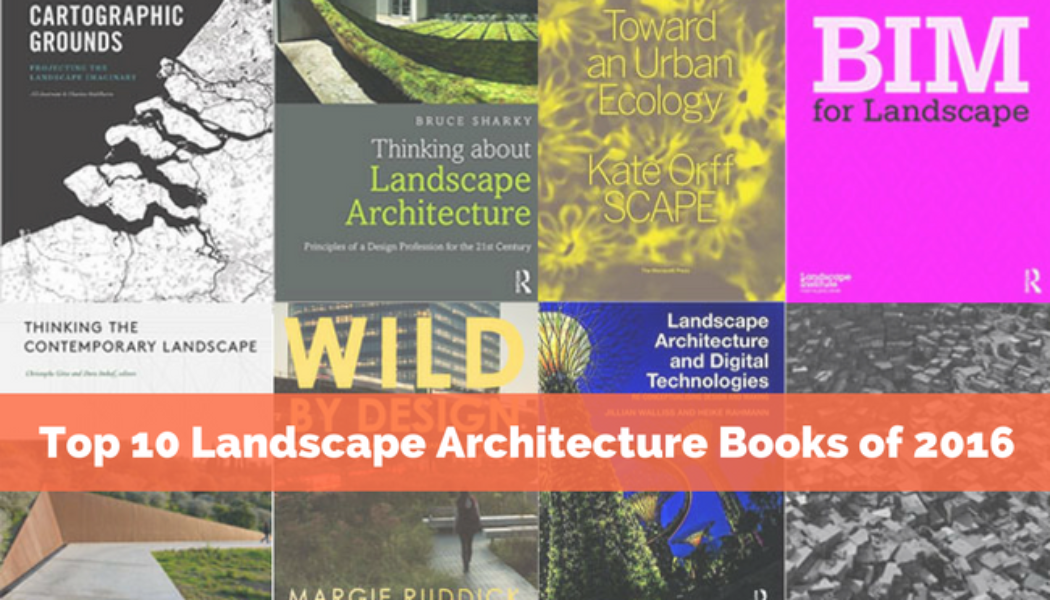

Top 10 Landscape Architecture Books of 2016
2016 has been a great year for landscape architecture books. Whether you are interested in preparing for the eventual shift toward BIM technology, learning about innovative ecological solutions in cities, or the future of infrastructure, last year had something for you. Notably, Charles Waldheim released his most comprehensive primer on Landscape Urbanism which laid out the current thinking on designing cities in tune with nature. Kate Orff published her first comprehensive monograph (though that’s not all it is) about her firm SCAPE. These and many more books formed a stout selection for practitioners and academics alike. We covered a few of these books here at Land8 and plan on reviewing a few more on this list in more detail soon. ASLA’s the Dirt also recently published a list of ...Read More


Podcast: People Habitat
From New York’s High Line to Atlanta’s BeltLine, transit revitalization projects are popping up all over the U.S., and beyond. High-speed roadways, outdated railways, and abandoned subways are being replaced or modified to make room for bicycle lanes, expanded outdoor seating areas, plantings, and pedestrian zones. Once seen as crime-ridden, polluted, and congested, cities are now bustling with economic growth and development that constantly innovates. Are we witnessing the comeback of our inner cities? Kaid Benfield, a longtime leader of the smart growth movement, believes that we are inching towards the right kind of development – creating great places for people and for the environment. In Episode 7 of Remarkable Objects, Kaid touches on how land use practices are changing in a positive...Read More


Blocs 77 | How to Create a Landscape Design Without a Landscape
Article by Eleni Tsirintani – A review of the Blocs 77 Condominium project, designed by Shma, in Bangkok, Thailand. Sometimes the given limitations of a project are hard to cope with. In the case of Blocs 77 Condominium project, that meant 5,244 square meters, 467 residential units, compulsory construction of a six-meter-wide fire engine route, parking lots on the ground level, a high-rise building, and the city of Bangkok, Thailand. Taking into account all of the above, the landscape architecture firm Shma had to come up with a landscape design to address the needs of residents, connect the condominium Blocs 77 with its surroundings, and create a connection between the condominium garden and the adjacent canal. Blocs 77 If you wonder how much harder this could get, consider also the...Read More