


Blog


Utilize the Power of ArcGIS in Your Work to Create Informed Urban Designs
Nadia Amoroso, Director of Nadia Amoroso Studio and adjunct Professor in Practice, at University of Guelph shares with us her insights on ArcGIS Online and GeoPlanner for ArcGIS Online for Urban Design and Planning. In the past decade, planning and design professions have been enriched by a wealth of readily available site data. GIS (Global Information Systems) programs and applications provide layers of information on everything from site hydrology to population density, but urban designers, planners and landscape architects may shy away from utilizing GIS data, perceiving the applications as being too complex. GIS tasks are often passed onto a tech specialist, causing a slowdown in workflow, a lack of integration between departments and a less than perfect understanding of the data by th...Read More


11 Things to Remember When Designing for Children
Spaces that are good for children are good for everyone, here are 11 things to remember when designing for children. Have you ever asked yourself, who is actually the greatest fan of your work as a landscape architect? Is it the one who spends long hours of playing games, enjoying the pleasure of being outside and closer to nature? Even though subconsciously, children are the ones who feel the most sincere happiness and delight when visiting a park, or an open-air playground. Children admire landscape architects’ work the most, even if they don’t really realize it. This is one of our most major responsibilities as landscape architects – how to design for children, in order to provide them with a safe, healthy and entertaining environment at the same time? In this article, we will discuss 1...Read More
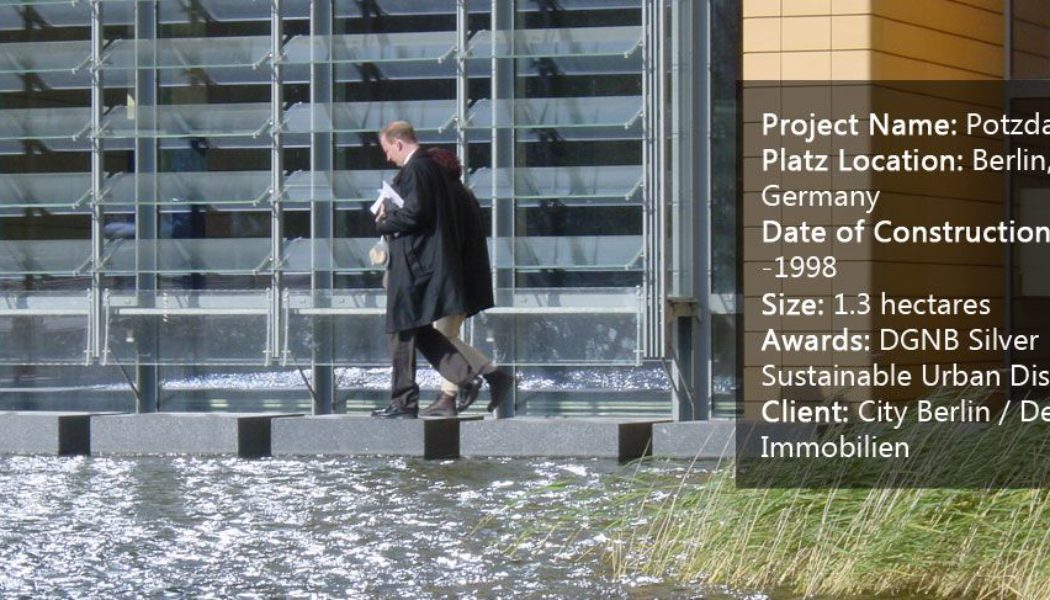

The Best Way to Work With the Land at Riverside Lünen
Riverside Lünen, by WBP Landschaftsarchitekten, Lünen, Germany. Lünen is a town in North Rhine-Westphalia, Germany, along the Lippe River, which runs east to west, starting from Paderborn until it finally enters the Rhine River at Wesel. This has provided Lünen with a steeply graded green space along the Lippe, in the central part of the city. Riverside Lünen is a redesign project of that green space by WBP Landschaftsarchitekten. The five-meter height difference between the park and the river provided a challenge for connecting the two spaces. The designers did so by creating a new distinctive path that adapts very well to the natural contours, including stairs that can function as a small amphitheater facing the river. They really did a splendid job in creating an open-river park for peo...Read More
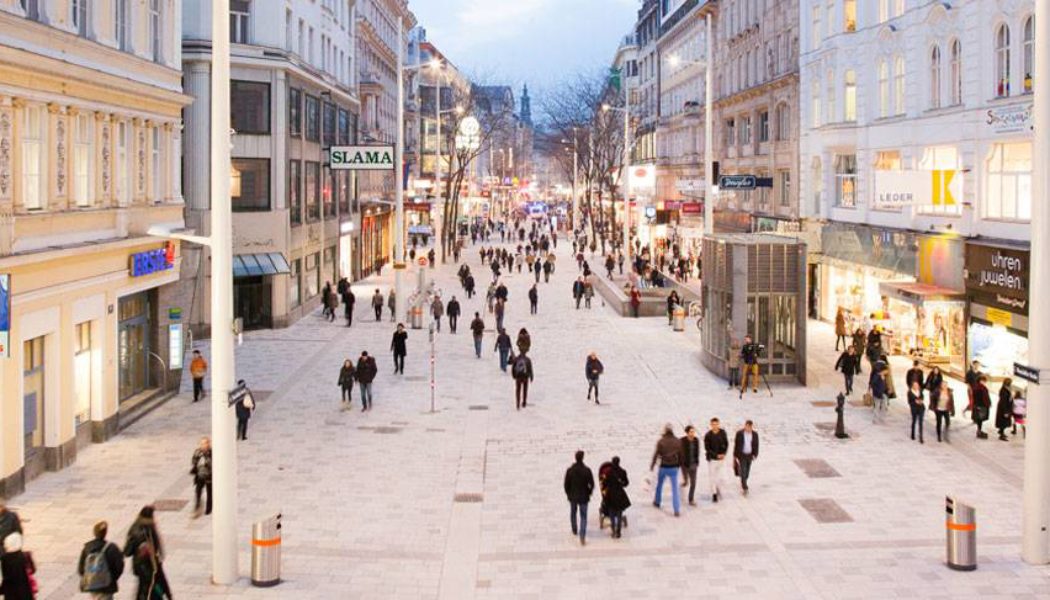

The Best Ways to Apply Environmental Psychology
We take a look at what makes people tick when it comes to environmental psychology. I invite you to face a little challenge: Take a minute to bring to mind three public places from your daily life that you consider successful. Maybe they have some obvious features in common, or perhaps they are successful in different ways. But they all seem to attract people so naturally. That’s because of environmental psychology – a holistic perspective developed in the 1960s around a key statement: People experiment and have an effect on the environment, while the environment influences people through the different senses. As landscape architects, we can take advantage of the principles involved in this relatively new science to effectively implement our designs. Environmental Psychology Encourage Soci...Read More
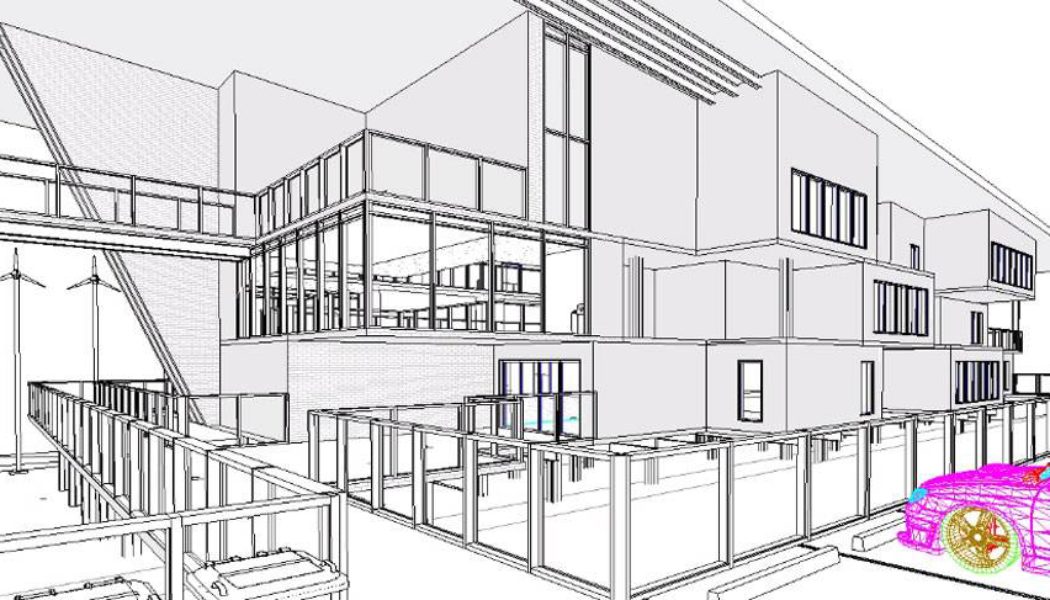

Top 10 Autodesk Revit Basics for Landscape Architects
Top 10 Autodesk Revit Basics in Easy to Follow Youtube tutorials to help get you off to the best start. Jumping into new software can often be intimidating. Autodesk Revit certainly has its challenges for landscape architects, but it is ultimately highly rewarding and can significantly increase productivity. Revit is still relatively unused, especially in small offices. However, it is slowly becoming more and more popular. It can provide much more information than an AutioCAD drawing, with the luxury of having plans, sections, and visualizations all located in one file. In the near future, we may see more of a transition from AutoCAD to Revit as the popularity of BIM increases. BIM is undoubtedly the future for landscape architecture, and Autodesk Revit is one of the leading forms of BIM t...Read More


10 Most Culturally Significant Plants from Around the World
10 culturally significant plants that have shaped how we see the world. Plants are all around us. Their relationship with humans is a long one, so it is not surprising that people have always adored plants and had a special connection with some of them. This relationship is sometimes so strong that people turn to plants to honor some of the most important moments in life: birth, marriage, death. Plants are also used in many cultural ways — in medicine, as religious objects, as subjects in mythology, as food, and in many festivals, celebrations, and traditions. Some plants symbolically represent a country as the national symbol. Although it could be said that all the plants are culturally important, here is a look at the Top 10 most culturally significant plants from around the world....Read More
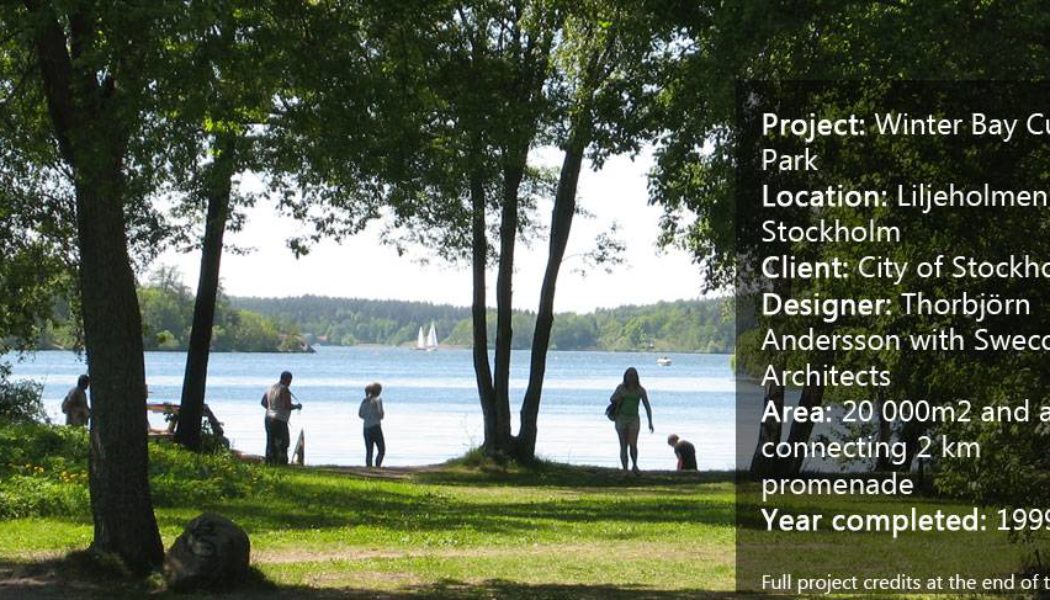

How Winter Bay Culture Park Merged History and Revitalization
Winter Bay Culture Park, by Thorbjörn Andersson with Sweco Architects, in Liljeholmen, Stockholm. We all know world-famous Alfred Nobel, the Swedish chemist, engineer, innovator, and inventor of dynamite and Nobel Prize. Perhaps you wonder, what relation can there be between Alfred Nobel and a landscaping project? In this article, we take a closer look at Winter Bay – the place where Alfred Nobel established his factory and research lab, in which he invented an enormous revolution for armaments and explosive manufacturing, dynamite. How is Nobel related to the project we are about to discuss and how did the history of his life and work affect the design solution of Winter Bay Culture Park? To answer these questions, we’ll take a journey looking back on the past, then we’ll get to the prese...Read More
How A Symbol of Tragedy Can Encourage People to Look into the Future
Saiki Peace Memorial Park, by Earthscape / Noom Architects, in Tsuruyamachi Saiki-city Oita, Japan. Memorial parks are designed as symbols of great tragedies, being a powerful reminder of humanity and how we should all stand together in the face of a tragedy. They should not represent a reason for being sad but rather a way to look and hope for the future. Saiki Peace Memorial Park, located in Japan, is a clear example of how such a creation can become the symbol of a city. It unites the local community, helping the future generations understand a bit of their history as well. The memorial park, like many others of its kind, has become a part of the Japanese culture, being based on the powerful connection between man and nature. Saiki Peace Memorial Park How did the project come to be? The...Read More
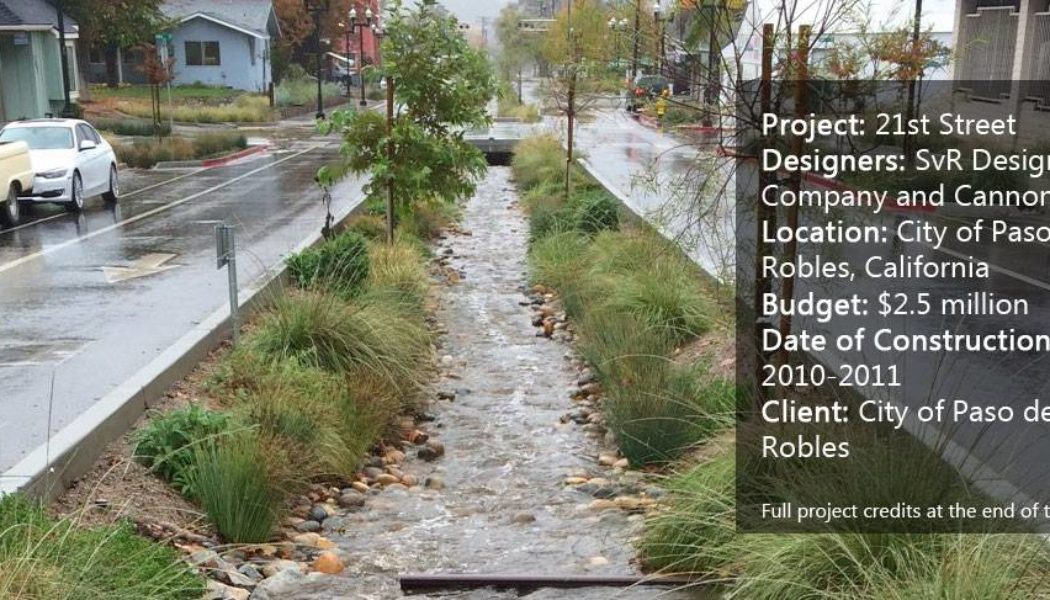

Award-Winning 21st Street Turns Roadway Into “Green and Complete Street”
21st Street, by SvR Design Company and Cannon, in the City of Paso Robles, California. Sustainability, ecological balance, climate, social interactions, community involvement, health and economic benefits, and aesthetics are the challenges an architect struggles with when deliberating the design of a project. It’s like a brainstorming exercise to incorporate all of these multidisciplinary yet integral aspects into a single project. When successful, this process can produce a project such as the 21st Street Complete and Green Street Project. In 2011, the City was awarded a $1 million grant and hired Cannon, a full-service, local engineering and landscape architecture firm, to take the concept plan through design development and prepare construction documents. SvR was retained to work with C...Read More
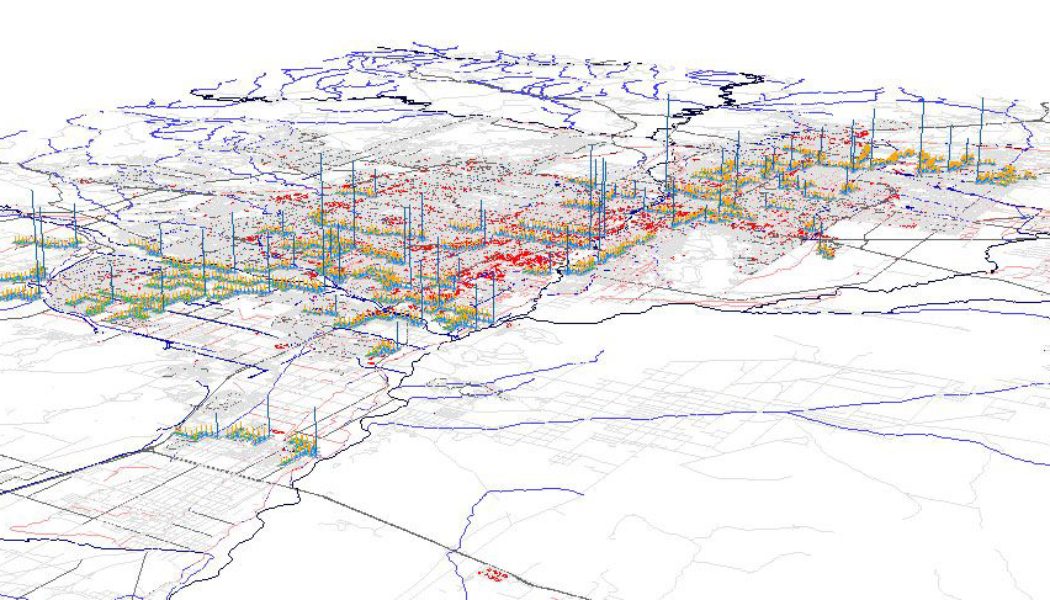

Geodesign the Solution for a Complex World
Nadia Amoroso, Director of Nadia Amoroso Studio and adjunct Professor in Practice, at University of Guelph shares with us her insights into Geodesign the solution. Cities around the world are striving to improve the quality of life for their citizens, creating great places to live where people can feel safe, healthy, happy and engaged in the community. Urban and regional planning plays a vital role in this effort as design of spaces, comprehensive planning, zoning regulations, creation and monitoring of special districts, multi-modal transit, enhancement of the public realm, historic preservation, permitting and overall design factors impact a community’s sense of place. These all affect the city’s vibrancy, sustainability and ability to flourish with changes over time. Planning has become...Read More
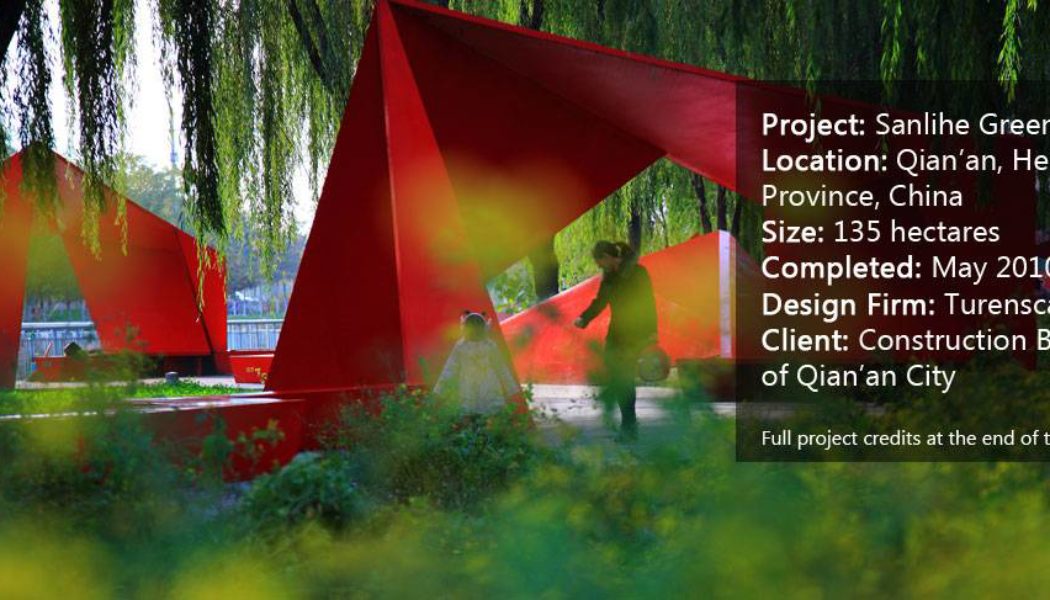

From Neglected to Extraordinary. The Story of the Qian’an Sanlihe Greenway
Qian’an Sanlihe Greenway, by Turenscape, Qian’an, Hebei Province, China. As children, we grow up listening to fairy tales in which the main character goes through a series of adventures until reaching the top of the mountain. These stories teach us that many things are possible in life; all you have to do is believe. When talking about Sanlihe Greenway, it is practically impossible not to be reminded of Cinderella and her final happily-ever-after ending. Bearing the trademark signature of Turenscape, the Sanlihe Greenway went from a landscape that had lost its purpose to an amazing green infrastructure, demonstrating once more that landscape architecture is capable of genuine miracles. Qian’an Sanlihe Greenway From Pauper to Prince: A Space Revived to Perfection When the team of talented l...Read More
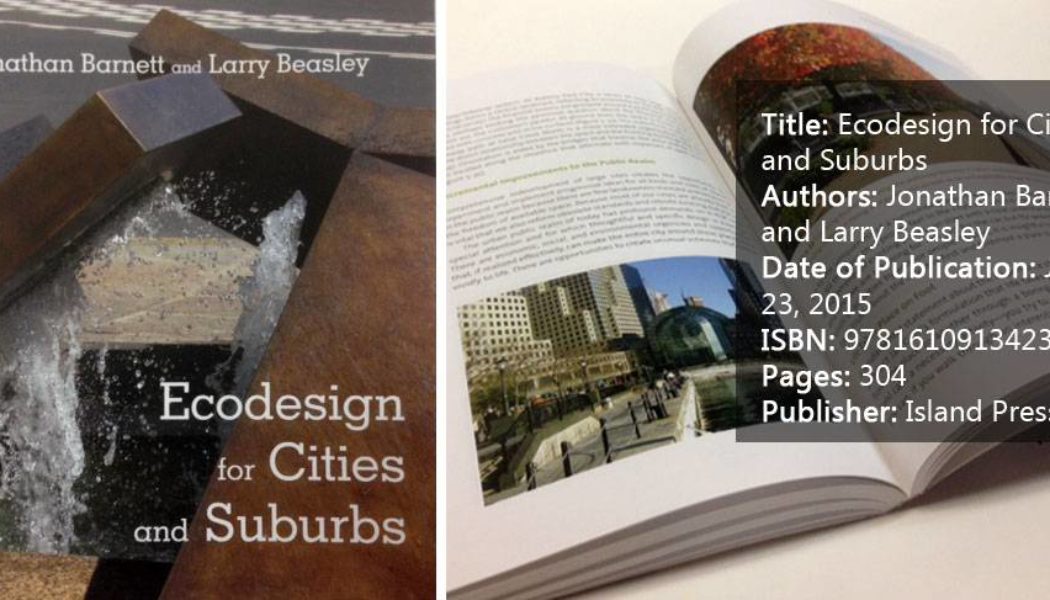

Ecodesign for Cities and Suburbs | Book Review
A book review of Ecodesign for Cities and Suburbs, by Jonathan Barnett and Larry Beasley. In their new book, “Ecodesign for Cities and Suburbs”, co-authors Jonathan Barnett and Larry Beasley use real-world examples to show how ecodesign can be combined with generally accepted business practices and standard development regulations to create successful city planning designs. They prove that our built environment can be designed to adapt to a changing climate and to a rapidly expanding world population while also creating places that are more desirable for living and working Ecodesign for Cities and Suburbs The book is comprised of six chapters, all of which are filled with illustrations that help to explain and back up the easy-to-follow text. Each chapter also contains real-world examples ...Read More