


BIM in Landscape Architecture


BIM in Landscape Architecture
As a profession, we have been quietly avoiding BIM. I know that CAD is nice, simple, and comfortable in its familiarity, but hand-drafting used to be that way too. Not convinced? Well, here are some reasons why you should be using BIM: 1. Do it once, not three, four, five, or more times. Why would you draw plans in AutoCAD, create a 3D model in SketchUp, draw sections and elevations in AutoCAD… and then when the plans change (as they always do) change it several times across multiple programs and files? Working in BIM allows you to do it all simultaneously. 2. Everyone else has it! Collaboration is 100x easier when you work in the same program. All other design disciplines use BIM: architects, structural engineers, mechanical, electrical, and plumbing engineers. Where I work, all of these ...Read More
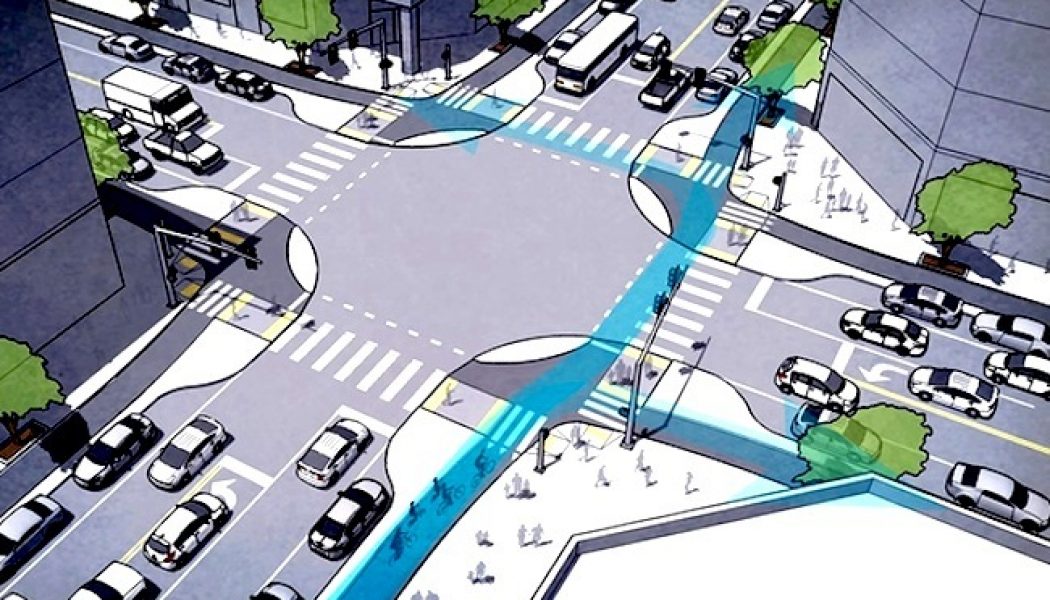

Filmtastic Fridays: Protected Intersections For Bicyclists
Bicycle commuting is booming in cities worldwide and the surge in bike-share last year indicates that this healthy trend is more than just a fad. A lack of proper cycling infrastructure, however, puts the urban cyclist at serious risk of injury or even death. Though our more cycling-conscious cities have adopted protected bike lanes and Sir Norman Foster has even suggested a pie-in-the-sky elevated bicycle highway, urban planner Nick Falbo says there’s a better way to keep cyclists safe: the protected intersection. In this incredibly clear and impressive video, Falbo explains how this Dutch-inspired design concept works. From the description: “Protected bike lanes are the latest approach US cities are taking to help their residents get around by bike. But these protected lane...Read More
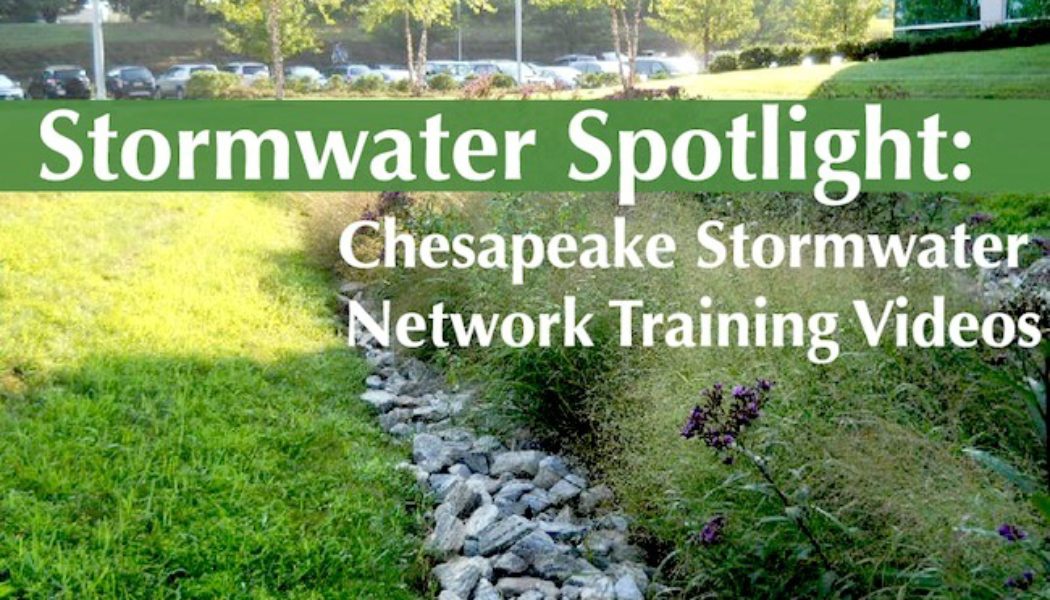

Stormwater Spotlight: Chesapeake Stormwater Network Training Videos
Stormwater, or runoff from rainfall or snowmelt, is one of the coolest aspects of our landscapes. It’s dynamic, chaotic and supports stream systems, which are the lifeblood of the aquatic and terrestrial environments. The fact that land has been (and is being) changed by humanity means that the natural flows and rhythms of nature have been interrupted and that significant natural forces must adjust to compensate. The art and science of stormwater management is about trying our best to help these significant natural forces adjust to what we are doing or have done to the land. This is done in the way that changes to the land surface are designed, how they are constructed, and how the drainage systems are maintained and repaired. At Stormwater Maintenance & Consulting (SMC), we̵...Read More


Sketchy Saturday l 011
It’s been a while since our last Sketchy Saturday but we’re up and running with another edition: our 11th! We’ve once again reunited works of creativity, talent and detailing. Check it out and see more in our album! No. 10 by Ngoc Xuan Doan, MA Landscape Architecture student, United States ‘This is a sketch of the Davenport Memorial, home for the elderly, located in downtown Malden, Massachusetts. Working with graphite pencil, I used shading techniques, carefully studied light, shadows, and highlights, to represent form and materials. It is a wonderful method to exercise the mind to actively look at the landscape and build from microscopic details to boarder context.’ No. 9 by Julia Fogg, landscape architect in private practice, UK ‘This sketch is placed in the river landscape of Rye Harbo...Read More
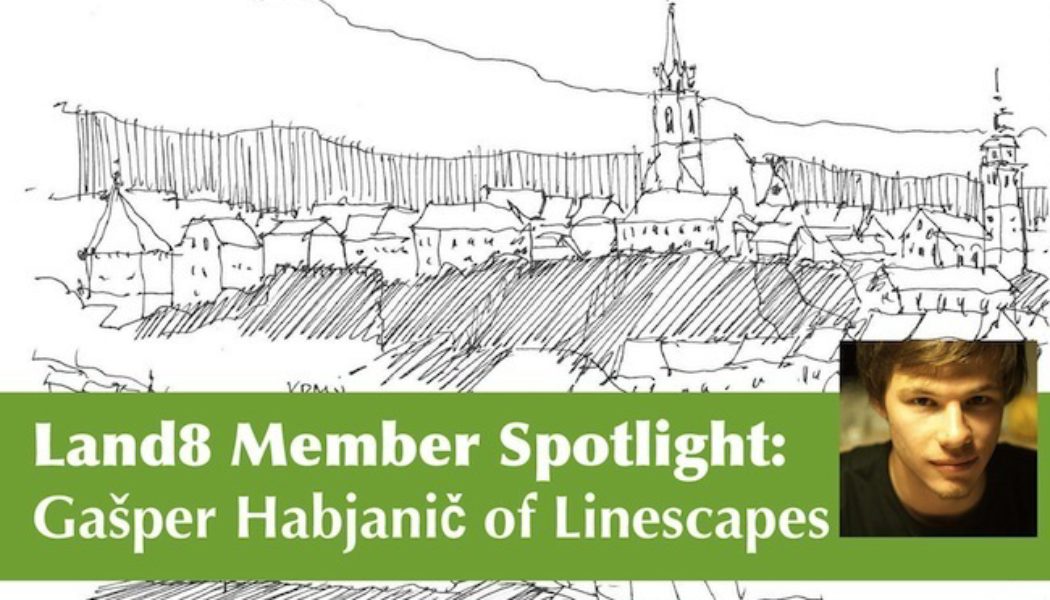

Land8 Member Spotlight: Interview with Gašper Habjanič | Linescapes
If you’re looking to brush up your drawing skills, you’ll want to check out Land8 member Gašper Habjanič’s excellent Linescapes video series. With a knack for both sketching and teaching, this Slovenian landscape architecture student started filming these short, inspiring tutorials on a semi-weekly basis since last summer. Armed with a pen, a sketchpad, and a set of watercolors, he captures the spirit of the various landscapes around Ljubljana as well as the other European places he visits on his travels. Recently, I had the opportunity to chat with Gašper for some behind-the-scenes insight on Linescapes. Can you tell me a little bit about your background, are you a student or working professional? I’m currently a landscape architecture master’s student in the...Read More
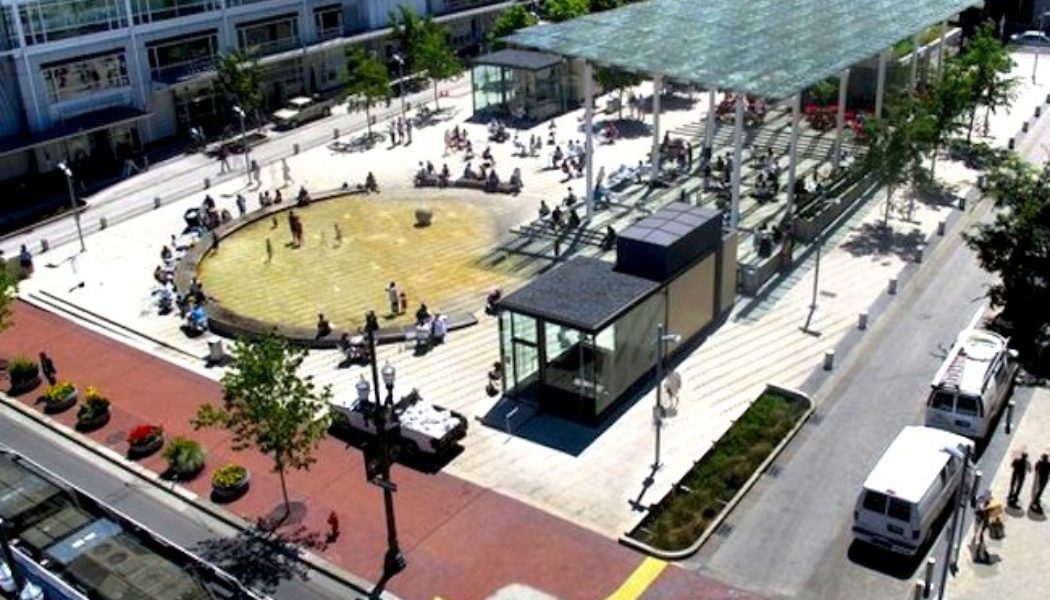

Filmtastic Fridays – Observing Director Park: University of Oregon’s 2013 CSI Research
If you’re a fan of William H. Whyte’s pioneering ‘The Social Life of Small Urban Spaces,’ you’ll love this time-lapse of OLIN’s popular Director Park in Portland, OR. Filmed by a University of Oregon landscape architecture research team, this short film captures the life and social patterns in one of Portland’s favorite urban parks over the span of a typical summer day. The project was conducted as part of Landscape Architecture Foundation’s 2013 Case Study Investigations. From the description: “The 2013 Case Study Investigation (CSI) research team from the University of Oregon worked to document the social benefits of Portland’s Simon and Helen Director Park. As part of the analysis, the team shot this time lapse video on Thurs...Read More
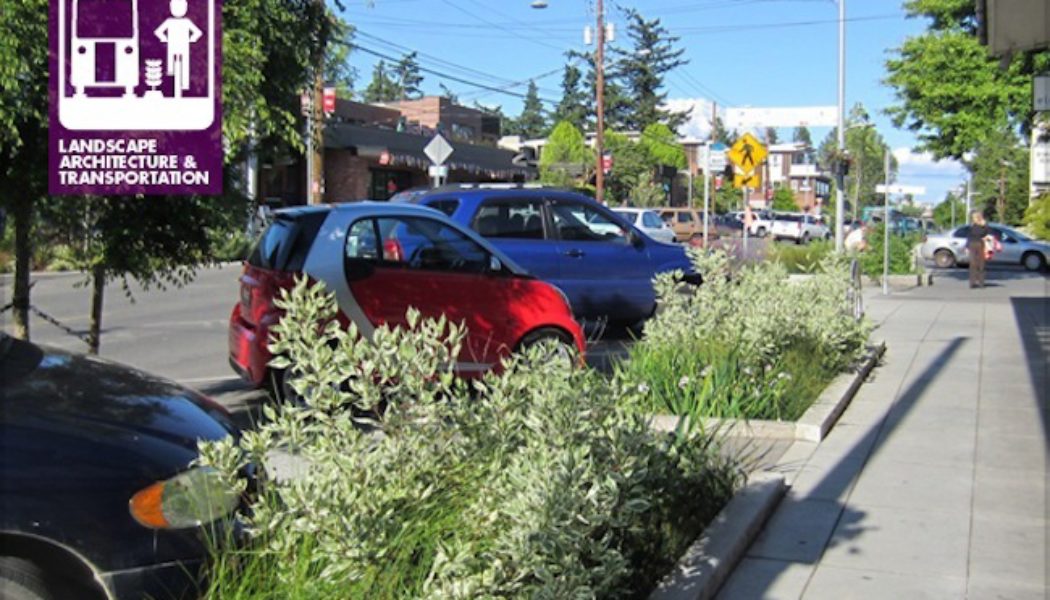

Green Stormwater Infrastructure & Streetscapes
Integrating Green Stormwater Infrastructure into the Streetscape Across the country, local governments are integrating green stormwater infrastructure (GSI) into the streetscape to manage urban stormwater runoff. More frequently implemented to reduce combined sewer overflows (CSOs), streetside GSI also treats polluted runoff that includes oil, heavy metals, and carcinogens to help protect the quality of local water bodies. Often overlooked, however, is the vital role that GSI can play in creating a thriving, pedestrian-friendly streetscape by providing physical buffers, reducing imperviousness, increasing opportunities for tree canopy, mitigating heat island effect, and promoting traffic calming. Left: Department of Environmental Protection, Montgomery County, MDRight: image and design by ...Read More
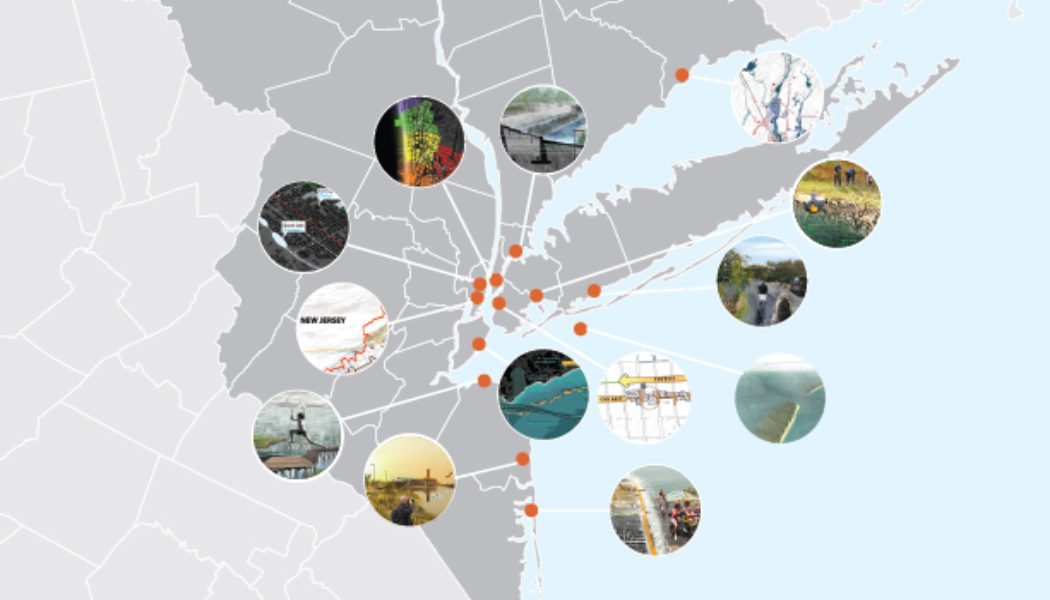

5 Resiliency Lessons from NYC Stormwater Projects
Exactly eight months ago, HUD Secretary and Chair of the Sandy Rebuilding Task Force Shaun Donovan announced the Rebuild by Design competition, an “innovation and resilient design in Sandy rebuilding” collaborative with the Rockefeller Foundation and the NYU Institute for Public Knowledge. Secretary Donovan remarked that the catalyst for the competition was the recognition that the federal government “cannot fill every need.” Ideas and additional funding are expected of other institutions and that universities, community leaders, nonprofit organizations, and citizens are essential to creating solutions that work across scales and interconnected systems. Image credit: rebuildbydesign.org The clock for the competition started on June 20 with the request for qualifications due July 19. The co...Read More


Ceramic Museum and Mosaic Garden
Ceramic Museum and Mosaic Garden by Casanova + Hernandez Last year, the city of Jingzhou, in northeast China, played host to the 2013 World Landscape Art Exposition. Formerly a shrimp farm, the site of this large-scale international exhibition now serves as a 176 Ha central park for the city. The exposition incorporated 20 gardens designed by 20 teams of international landscape architects. Designs were sought to be symbolic and unique, linking both the garden culture of the design team’s region and the history and culture of the Jingzhou region to the future. Rotterdam-based firm Casanova + Hernandez’s Ceramic Museum And Mosaic Park was one such design, and was featured in our Top 10 Projects of 2013 article. The Concept As the name suggests, the design team found the archaic tradit...Read More
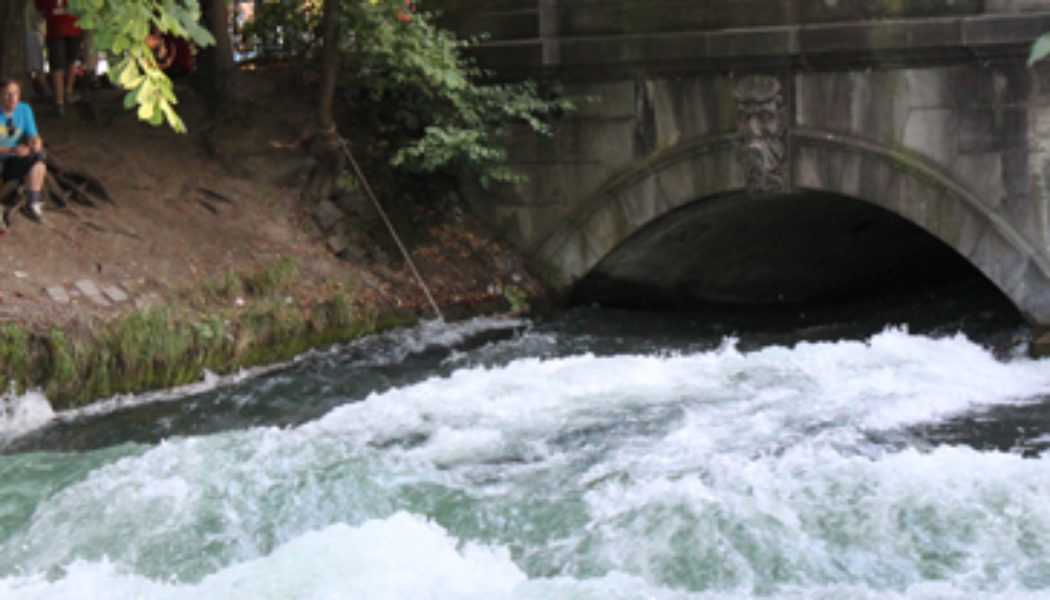

Find Out Why Surfing is Becoming an Urban Sport!
Close your eyes and think “surfing”. What picture do you see in your head? You might imagine blue ocean, crushing waves, and white strips of sand. Possibly some palms, maybe also a group of tanned, handsome men and beautiful women, all looking like actors from Baywatch. But would you ever think of a leafy old park on the banks of an icy cold river in the middle of a bustling German city? Do you see it as an urban sport, a typically large city activity? Probably not — so read on! This article might completely change your views on surfing! Thinking of visiting Germany? If you ever happen to visit Munich and grow tired of the numerous museums and monuments, you should venture to one of the city’s nicest and largest green areas — the Englischer Gartens. As you wal...Read More
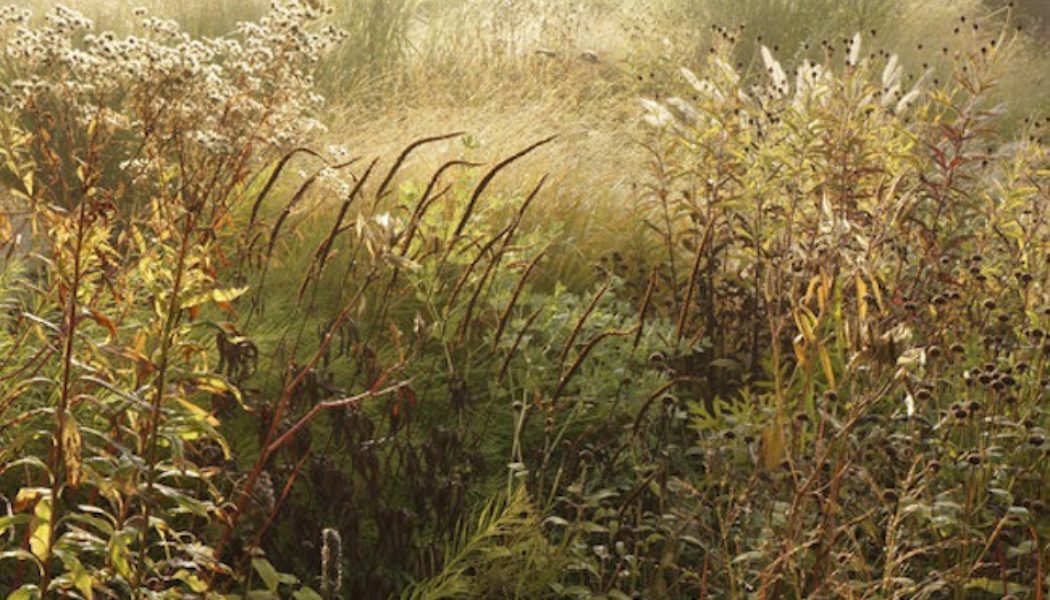

Filmtastic Fridays – Piet Oudolf: Fall, Winter, Spring, Summer, Fall
For many, Piet Oudolf is more than just a master plantsman. He’s considered a gardening rock star and contemporary artist. Those fortunate enough to have visited his gardens know that his award-winning plant compositions are best enjoyed in-person, where one can better appreciate their four-season appeal, depth, and sense of movement. In appreciation of Oudolf’s complex landscapes, Thomas Piper, the Director of Production for the Checkerboard Film Foundation, embarked on a cinematography project to capture Oudolf “at work and in his own words.” The following short film is a documentary teaser Piper released to gather support and funds for the film. From the description: 4 minute fundraising teaser for the upcoming documentary, Piet Oudolf: Fall, Winter, Spring, Su...Read More


Interview with David Buckley Borden and the ‘Fun-A-Day’ Landscape Project
Fun-A-Day is an annual 31-day project intended to be a creative kick-start to the New Year. Participants are asked to make and share one piece of artwork per day for the month of January. I participated in the project by producing daily one-page landscape installation proposals and found the project to be professionally rewarding in a number of surprising ways. Among other professional benefits, I was awarded the Trifecta Edition’s Artist-In-Residence in part as a result of my involvement with the project. I had a discussion with Land8’s Lucy Wang about the creative and professional benefits of the project including the power of using content-driven social media as a tool for both professional development and proactive networking. Jan 5: Wood Pile Target | 30-foot target supergraphic...Read More