


Blog


10 Practices Showing That “Sustainability” is More Than Just a Buzzword!
Sustainability is the buzzword that’s making the world a better place! You have probably realized that the way we manage our resources is gaining more space in the media and transforming our means of production and development. On the other hand, you may also have bought some products being advertised as sustainable and, later, discovered that certain stages of their production were contrary to this principle. You may wonder if sustainability is just another marketing ploy or whether it is being seriously practiced. Since landscape architecture harmonizes the relationship between nature and built space, you should also be looking for a response within this field to see if it is worth using sustainable methods to produce your space to live and work. So, to better understand how indivi...Read More
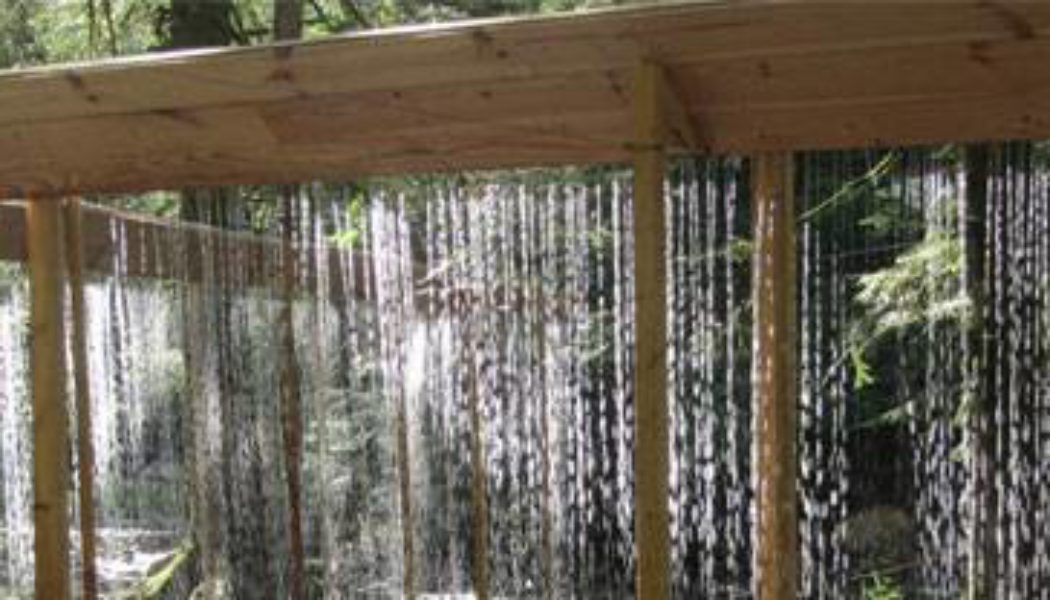

Bridal Veil Creates a Curtain of Water Through the Forest
Bridal Veil designed by architects Louis Sicard and Emil Yusta. Have you ever felt like you were in limbo between one world and another? A walk through the Bridal Veil, built around and through the Rossignolet Waterfall in central France, might make you feel that way. The installation, designed by architects Louis Sicard and Emil Yusta, is simple, elegant, and revolutionary, regulating the flow of the waterfall so that water drips in a cascade from innumerable loci, creating illusion and mystery within the natural setting. This splendid design welcomes visitors into nature’s realm, encouraging them to become one with the water falling from above. Sicard has created a pattern that is both elegant and efficient, eco friendly and conservative. It’s time for you to pass your face through the B...Read More
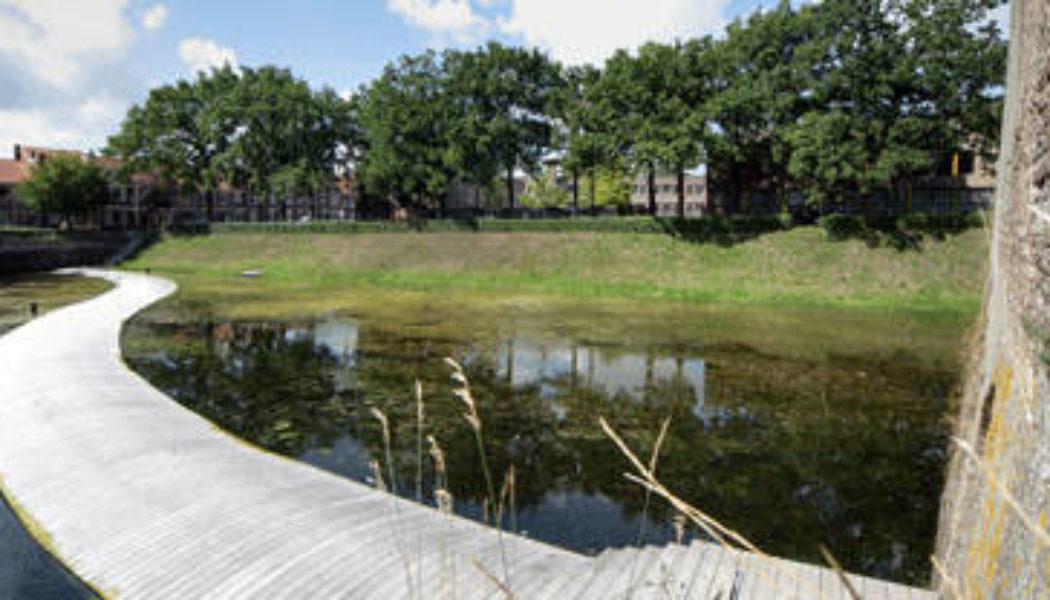

Creative Problem Solving Creates Excellent Bridge Design
The Ravelijn floating pedestrian bridge, by RO&AD. The Ravelijn Bridge, designed by RO&AD, is an 80-meter long pedestrian bridge in Bergen op Zoom, the Netherlands. The primary function of the bridge is to connect the mainland city to a fortress, which is surrounded by a moat. The Ravelijn is currently used for small public and private events and stands as a time capsule to the beginning of the 18th century. The island fortress was once only accessible via boat. All of the materials used to build the fort had to be paddled across the moat by workers. Paddleboats were also used to transport visitors to and from the fortress. When in a paddleboat, visitors traveled a somewhat meandering path through the water. With this historic image in mind, the designers created a pedestrian bridg...Read More

Permaculture: The Essential Guide
What is permaculture? In the most simple definition, it is the combination of the words permanent and agriculture, which also reveals its meaning. The Oxford English Dictionary defines permaculture as “the development of agricultural ecosystems intended to be sustainable and self-sufficient,” but this definition is a little vague. Shouldn’t all agricultural ecosystems be sustainable and self-sufficient? Not necessarily, and the practice of permaculture helps to achieve this. The word permaculture was originally coined by Bill Mollison and David Holmgren in the mid-1970s when they were looking for a way to describe a new approach to design. Their design principles, according to Holmgren, included an “integrated, evolving system of perennial or self-perpetuating plant and animal species usef...Read More


The 10 People You’ll Find In The Studio
Some humorous observations from working away in the studio. Being in design school, you will find yourself around your classmates constantly. Sleep deprived all-nighters and coffee filled early mornings seem to bind us together. These people will be your best friends, critics, and inspiration. But everyone is different, so here is a list of the 10 people you will find in the studio. 1. The Coffee Addict If this person were a car, caffeine would be their gasoline. Ice coffee their unleaded, two shots of espresso their diesel, but never the unmentionable decaf – okay maybe on desperate mornings. A great friend to make for when you need a boost on a late night studio visit. 2. The Sleeper The sleeper really is the antithesis of ‘the coffee addict’. They seem to always been swaying back and fo...Read More
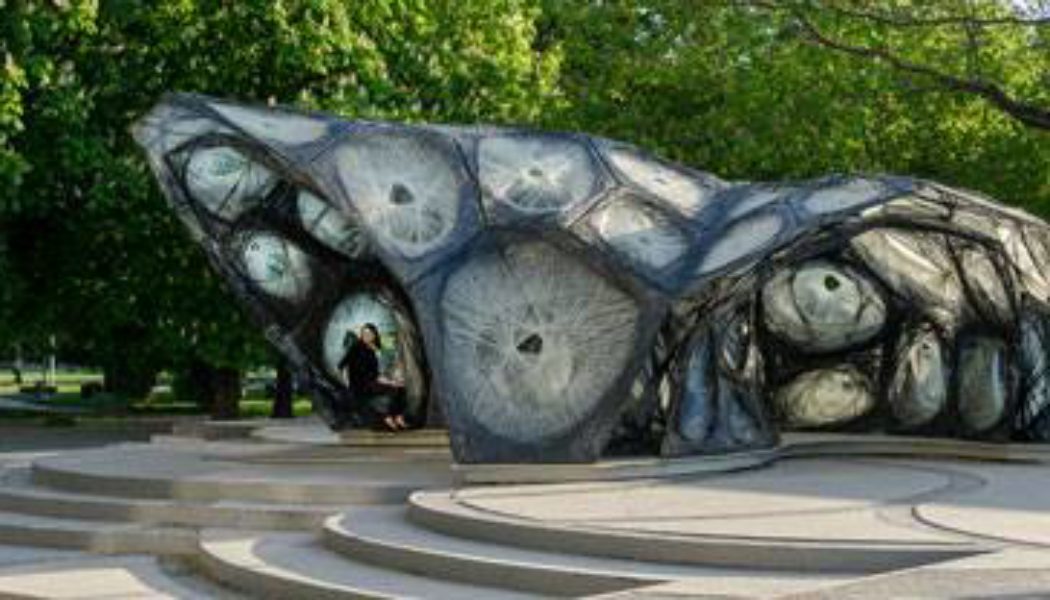

Understanding the Basic Principles of Organic Design
The ICD/ITKE Research Pavilion developed by a multidisciplinary team at the Institute for Computational Design. In recent years, architects, biologists, and engineers have been thinking about the possible connection the architectural field can have with living entities, such as insects or trees. Most of the time, architects design projects based on the imitation of natural forms. This imitation takes place in a field where there haven’t been previous studies about the organism being imitated, its basic organic functions, and its interaction with the environment. This concept is called biomorphism. When you add in concepts such as biomimicry and biomimetics as theoretical foundations, the design process is focused on the understanding of the functions of the project, how its functions and s...Read More
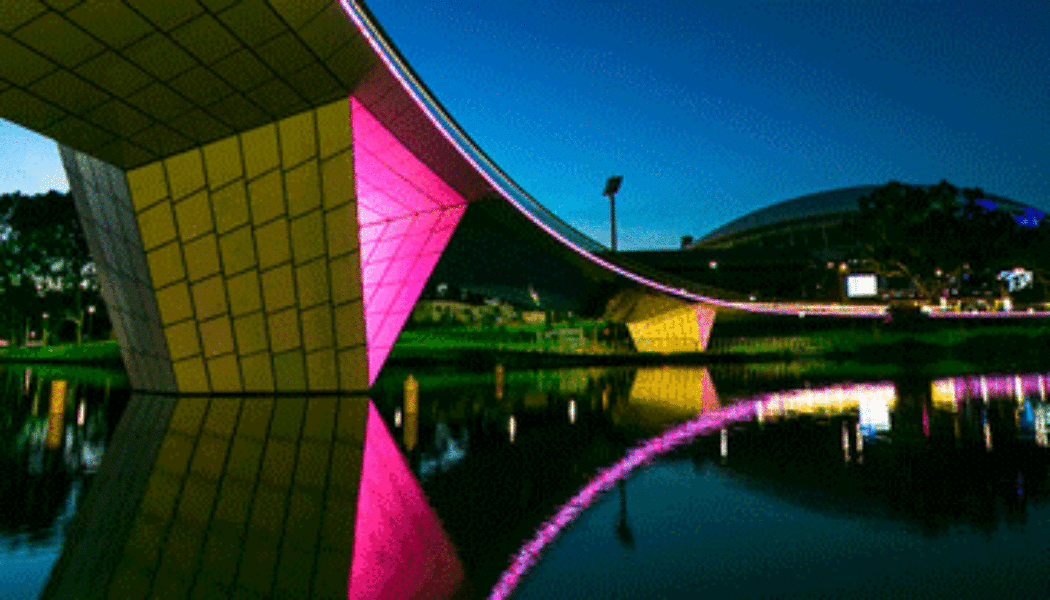

40 Million Dollar Bridge Wows Pedestrians
Adelaide Riverbank Pedestrian Bridge, by Taylor Cullity Lethlean In the past, bridges were seen simply as connections — pieces of architecture linking two points. However, the Adelaide Riverbank Pedestrian Bridge in Australia is proving that a bridge can also be a destination. Sweeping gracefully from the Dunstan Playhouse and Adelaide Oval across the Torrens River to the city, the bridge is an elegant solution for connecting Adelaide’s arc of waterfront parkland. Completed in March 2014, the $40 million bridge takes the first step toward bringing life back to the unique and picturesque riverbank precinct. Aurecon was the lead consultant and responsible for the design and management of this public infrastructure, but also worked with landscape architects Taylor Cullity Lethlean (TCL)...Read More

(BIM) Building Information Modeling & Urban Landscaping : The Essential Guide
Building Information technology is rapidly changing our approach to landscape architecture. The digital input within construction management has rapidly increased in the last decade or so. Likewise, the focus has shifted to urban landscaping when it comes to green practices within architecture. The premise is that landscape should be the main building block for city design. New York’s Fresh Kills reclamation project is an ideal example of technology input and urban landscaping. Urban landscaping offers a potential method to translate ideas within urban ecology to generate technology driven construction management that reflects both cultural and natural processes. Practices such as ‘Field Operations’ represent how much landscaping has evolved in the digital era. The Efficiency of Building ...Read More


11 Famous Quotes that Apply to Landscape Architecture
Words of wisdom to work by and perhaps live by. Here at LAN we love a good quote. Wise words stand the test of time. In this article we take take a look at some famous quotes that can apply to landscape architecture. 11. “Whatever the mind of man can conceive and believe, it can achieve”. –Napoleon Hill (1883 – 1970) Just look at some of the most inspiring landscape architectural projects of recent years; The Eden Project, The High Line, or the National September 11 Memorial. Great projects are about not only having a great idea, but believing in them, and having the tenacity to see them through to completion. 10. “Whether you think that you can, or that you can’t, you are usually right.” – Henry Ford (1863-1947) OK, so not every project you’re working on can ...Read More


Sketchy Saturday |028
This week’s Sketchy Saturday top 10. Welcome to this week’s edition of Sketchy Saturday, where we had our tightest week ever in terms of competition, picking which sketch should obtain top spot was no easy feat. While the talent we get is always of a high calibre, the top three are usually in a league of their own and the winner is often a clear favourite, this week, we’re happy with first place but in a different week several others listed could of been featured in that number one position. Decide for yourself, which one would you of put in the top spot. 10. Marcin Wodniczak, landscape architekt from Poland, owner in www.addgreen.pl “I made this sketch as part of a design, to make sure a prospective client hires me as a contractor to make their garden around his summer h...Read More


How Will Automated Cars Change Landscape Architecture?
A look at how the inevitable technology of automated cars will change the face of landscape architecture. Paradigm shifts in technology, through history’s lens, have proven to profoundly alter our society. This new technology, whether it be a printing press, cotton gin, nitrogen based fertilizer, car, or a computer sets a benchmark on how we function as a people. Its tendrils seep into our culture, economics, and a myriad of other locations – but one aspect that often gets overlooked is our landscape. Our cities were built to be the backbone support of the industrial revolution. Our roads were built to accommodate the car and truck. Our soil is radically altered due to fertilizers and farm practices of the past. Time and time again we can look at the trend of technology being introduced an...Read More
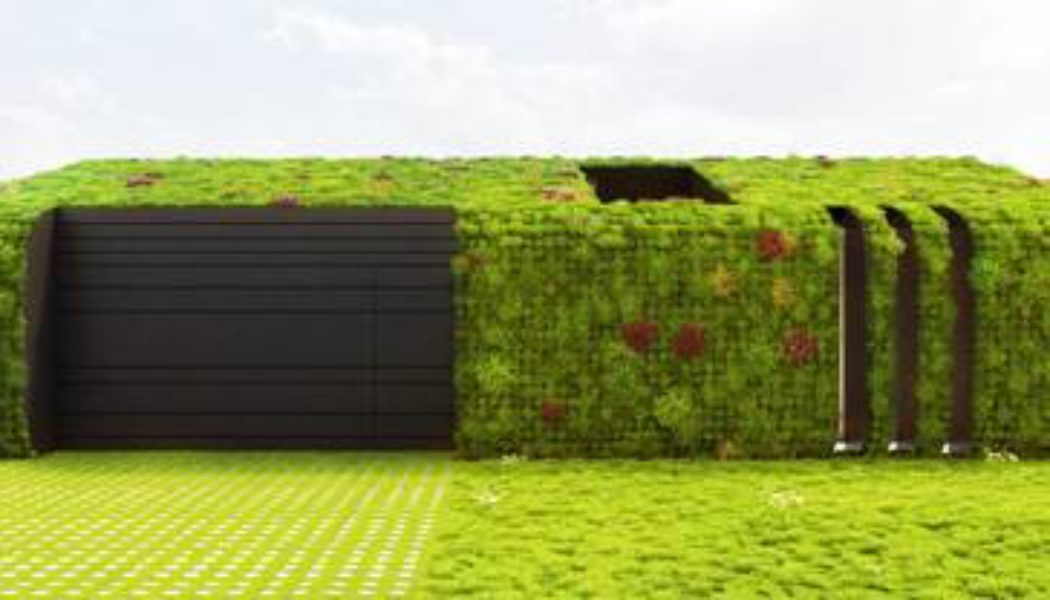

Stylish Green Roof Made For Cars, But WHY?
DM2 Housing Project by OODA architects. In historic downtown Porto, Portugal, buildings are protected to retain the strong character of the area. OODA architects have undertaken the sensitive renovation of D. Manuel II (DM2), reinvigorating the building and incorporating a patio that is part stylish green roof, part car park. The building has been restored from commercial use to its original purpose as a residential building, albeit now providing 17 residences instead of the one it was initially built for in the 19th century. In close proximity to the city’s the universities, hospitals, nightlife, and arts district, DM2 is being repositioned for a younger market. Compact living spaces and the use of some cheaper materials on the inside reflect this, but don’t be mistaken – the architects h...Read More