


Blog
![Rising from the Rubble: 1500 Design Challenges for the Emerging Future [Video]](https://land8.com/wp-content/uploads/2017/11/JAMESON-COVER-1050x600.png)
![Rising from the Rubble: 1500 Design Challenges for the Emerging Future [Video]](https://land8.com/wp-content/uploads/2017/11/JAMESON-COVER-80x80.png)
Rising from the Rubble: 1500 Design Challenges for the Emerging Future [Video]
On August 11, 2017 in Charlottesville, VA, amidst signs of hatred and spewed words of bigotry, violence erupted as white nationalists clashed with counterprotesters, leading to one person killed and 19 injured. The aftermath of the Charlottesville riot, spurred by the city’s plans to remove symbols of its Confederate past, reignited the debate over what should happen with Confederate landmarks in cities across the country. On the Land8x8 Lightning Talks stage, Harriett Jameson Brooks, landscape designer at MVLA, shared her deep connection with Charlottesville, and how she turned to her profession as she grappled with this blatant display of hate and racial tension that did not match how she saw the progressive, democratic city. Since the upheaval in Charlottesville, a movement to remove Co...Read More


Pause, Applause, Pursue
When we find the time each day to catch up on what is happening in the world, both within and outside of Landscape Architecture, many of us are guilty of the same routine – we quickly sort through the headlines of the latest tragedies, review the most current real news about fake news, find condensed versions of stories on social media to speed through, and if we are lucky, find one or two worthwhile articles to take our mind off the aforementioned. Though there may be some merit in that process, scanning headlines might not be the best process to keep us all well informed, mentally sound, and energized. As the profession prepares for the largest gathering of landscape architects in Los Angeles this week at the American Society of Landscape Architects (ASLA) Annual Meeting, I want to sugge...Read More


LARE Mix and Match
Deciding which exam sections to take in what order, alone or in combination, is the first big strategy decision you’ll make about the LARE once you’ve committed to the process. If you’re in a state or province requiring that you be vetted prior to sitting for the exam, it’s your second big step. In my case, I combined Sections 1 and 2 in one exam cycle, and Sections 3 and 4 in another. Because I had passed Sections 1 and 2 having taken them on consecutive mornings, I registered for Sections 3 and 4 the same way, one morning after the other. But recovering, changing gears, and refocusing on Section 4 in less than 24 hours proved too much, and I failed with a ‘score’ of 606. In the next exam cycle, it felt almost luxurious to prepare for Section 4 all by itself. For an extra treat, I signed ...Read More
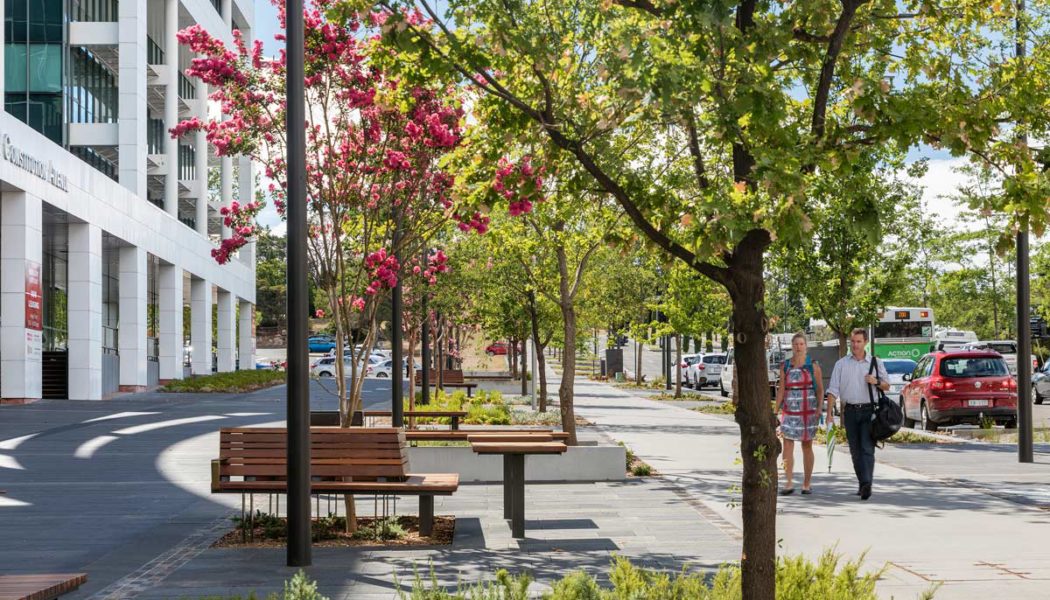

Jane Irwin Landscape Architecture Brings New Life to Constitution Avenue
Article by Maria Giovanna Drago Constitution Avenue by Jane Irwin Landscape Architecture along with Hill Thalis Architecture + Urban Projects, and MEC in Canberra, Australia. Constitution Avenue is a key street in Canberra, Australia. In fact, along with Commonwealth and Kings Avenues, it forms the city’s basic geometric design guidelines that developed Canberra in the 1900s. Situated in a lively area, it’s adjacent to residential and commercial buildings, but also recreational and cultural activities. In 2016, Jane Irwin Landscape Architecture completed the renewal project after four years of construction. The renovation brought modernity to this roadside axis, rewriting its role in the city. We can say that Constitution Avenue was influenced by great western avenues like the Champs-Élysé...Read More
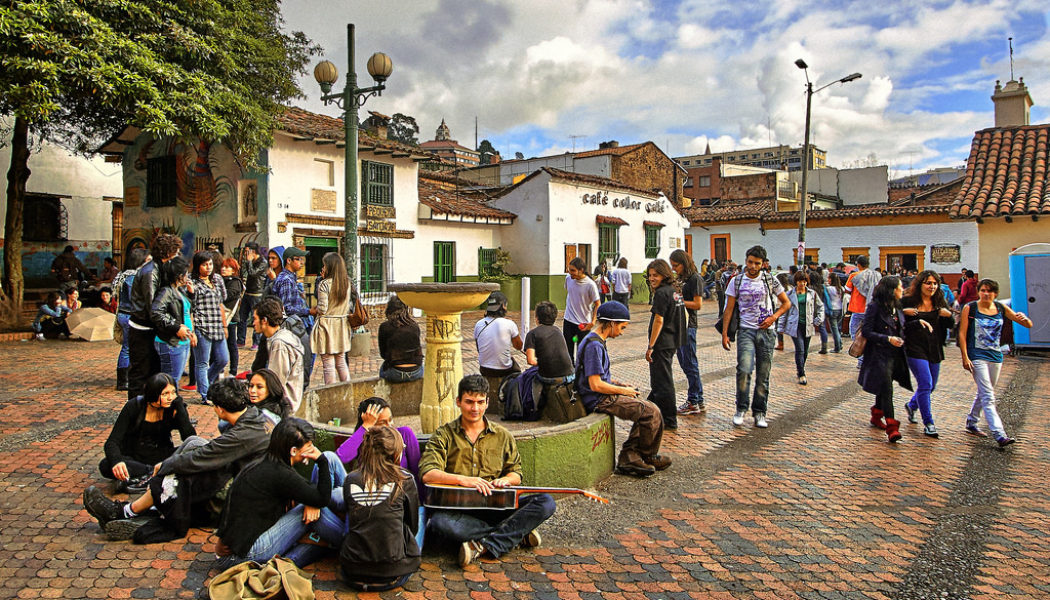

Colombia’s Got Talent – 10 Examples of Colombian Design
Continuing on with our world series, we have selected 10 projects that represent Colombian design. Colombia is one of the most biodiverse countries in the world with 40,000 to 45,000 plant species, which is 10 to 20 percent of the total global species and holds the top spot for number of bird species—surpassed only by Brazil. The country is home to Rogelio Salmona (1929-2007) a Colombian architect that worked with Le Corbusier for six years at his studio in Paris from 1948 to 1954. Rogelio is among Colombia’s most celebrated modernist architects; he is the author of multiple architectonic and urban landmarks—most of them are found in Bogotá. So, let’s take a look at some known (and some not-so-known) projects in Colombia. 10. Parque Bicentenario (Bicentenario Park), by The Mazzanti Team, B...Read More


5 of the Smartest Drainage Systems
Article by Maria Giovanna Drago We have selected five of the most interesting drainage solutions to show you how their impact could be implemented in the landscape. Are you planning on designing a park or renovating your home garden? While you may already have knowledge of vegetation, outdoor furniture, paving, and lighting—a troubling issue that many are faced with is an excess of water. If it rains too much a garden or park could quickly become a swamp. Once the soil becomes saturated insects start to proliferate in the water, some of which are bearers of diseases. Additionally, overflow water can make moving through a space difficult as well as damage buildings or other structures. Avoid a Bad Design Do not rely on mediocre designed systems. A poor design decreases property value up to ...Read More


What Lessons Can We Draw from One Spadina Crescent?
Article by Moreira Filho One Spadina Crescent by NADAAA with the leadership of Nader Tehrani and Katie Faulkner along with Adamson Associates, Public Work, and ERA Architects in Toronto, Ontario, Canada. Located on Spadina Avenue and the north side of College Street in Toronto, this building was constructed in a roundabout that interrupts and divides the avenue. It’s impossible to pass through without seeing it, as it’s a monumental sculpture that seems to grow into the skies as you approach. Built in 1875 to house Knox College – incorporated by the University of Toronto (U of T) 12 years later – it used to harbor a theological seminary, military hospital, various departments of U of T, and a penicillin factory. Rendering this building, and giving it back to Torontonians and worldwide cit...Read More


What’s on the Horizon for Landscape Architecture?
Landscape architects work at a slow pace. While your projects and deadlines might argue, the design and construction process seems like molasses when compared to the speed of today’s world. Some would argue that to keep up with this unrelenting velocity, we have forgotten that being slow allowed us to be more methodical and precise. Others say that in order to stay relevant, we should broaden our scope to quickly fight global problems like climate change, sustainability, and social issues. Still, others worry that our unrelenting focus on ecology has made us forget the art and beauty that design brings to the built world. LAF’s New Landscape Declaration wants you to realize landscape architecture’s potential. Image Courtesy of lafoundation.org Our industry’s leading...Read More
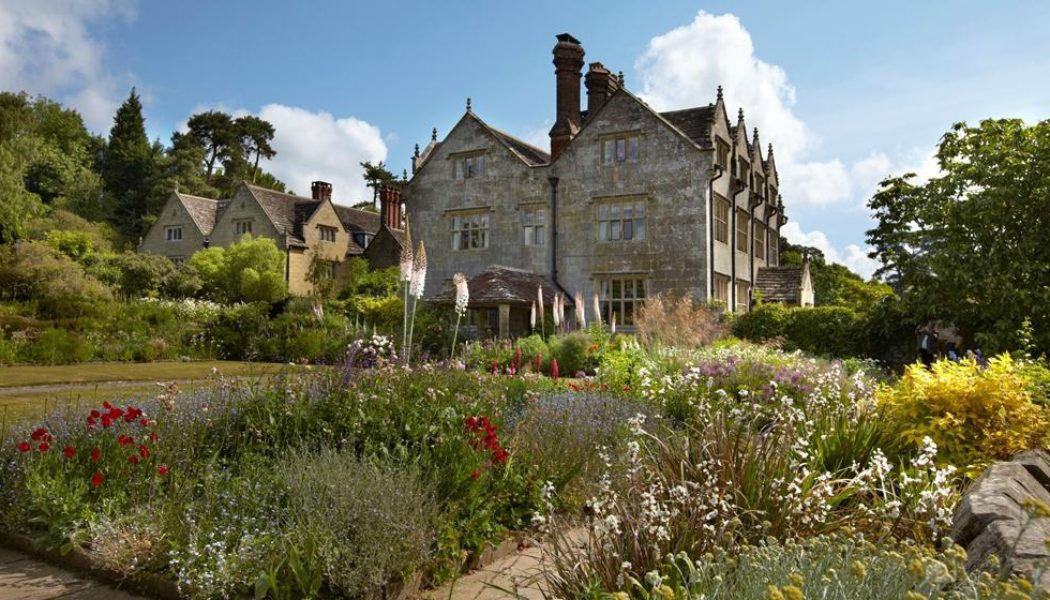

Garden Designers and Landscape Architects: Resolving the Identity Crisis
We explore the key differences between a garden designer and a landscape architect. When is a garden designer a landscape architect/designer? Are they rivals or are they on par? This article is mainly inspired by conversations I have had with those outside the profession, unfamiliar with the scope of work of a landscape architect. Landscape architects/designers often get confused with garden designers, however the questions that are being asked above are not the right ones. This is not a written piece on comparison of skill or qualifications, but meant to address the right questions and consider the importance of answering them. Behold, the following paragraphs will resolve this identity crisis by revisiting the root definitions and exploring the fundamental aspects, context, and history ...Read More
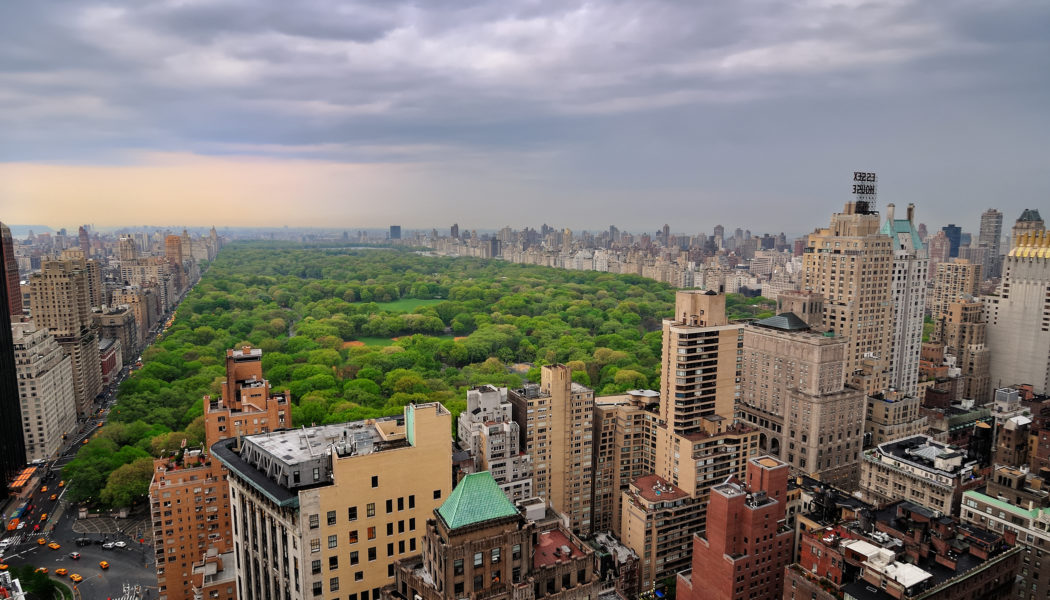

Two Famous American Urban Parks Demonstrate How Citizens Changed in 160 Years
Article by Maria Giovanna Drago We examine how urban parks in the United States have evolved over the last 160 years through a comparison of New York City’s Central Park and Chicago’s Millennium Park. Society has continually changed throughout history, often in reaction to events and novelties. Important time periods, such as industrial revolutions and wars have influenced the way of life and because of these events some people favored living in fast-paced cities while others in the countryside. These progressions can be seen in the layout of cities, particularly the urban parks. Parks allow us to better understand the struggle between nature and the built environment. Even though it seems that more attention is usually given to the expansion of cities, over the centuries urban...Read More

10 Reasons to Go on a Landscape Architecture Exchange
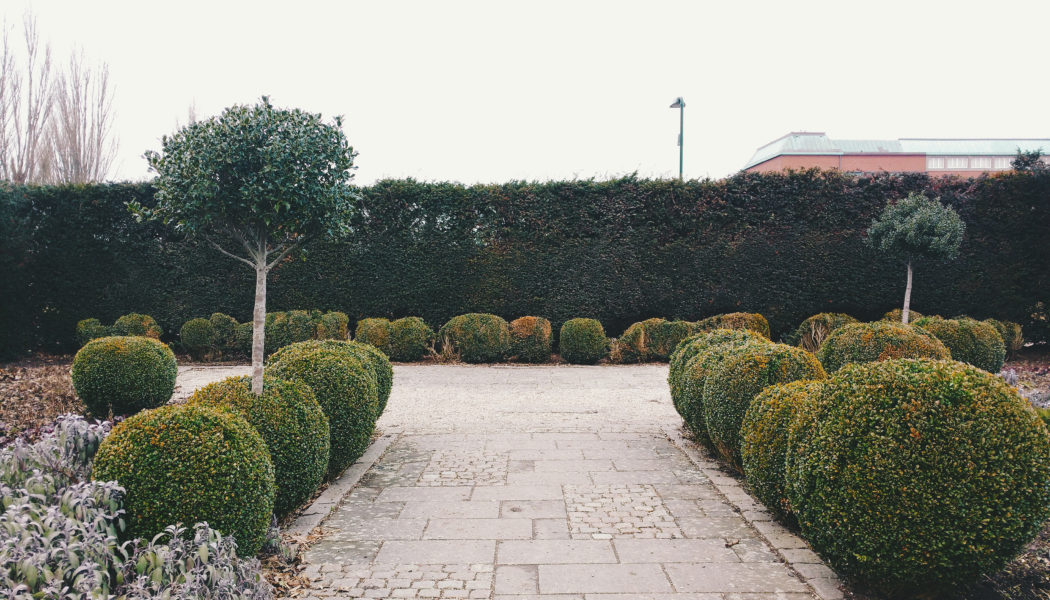
Article by Emily Sinclair Discover why landscape architecture students should embark on a foreign exchange. There are many clear advantages to participating in an exchange program during your time in university. From learning a new language to experiencing a new culture, becoming a foreign exchange student can change your perspective on the world around you. As landscape architecture students, we all deal with the design of spaces and the surrounding environments in our projects. While we can study theory, and delve into case studies of monumental landscape works, there is no alternative to visiting the space in person. Traveling is always an option, but there are benefits to spending a semester abroad as a landscape architecture student. 10. Exposure to Projects As mentioned above, while...Read More

How Jardin des Rives Brings People to Nature and Nature to Man
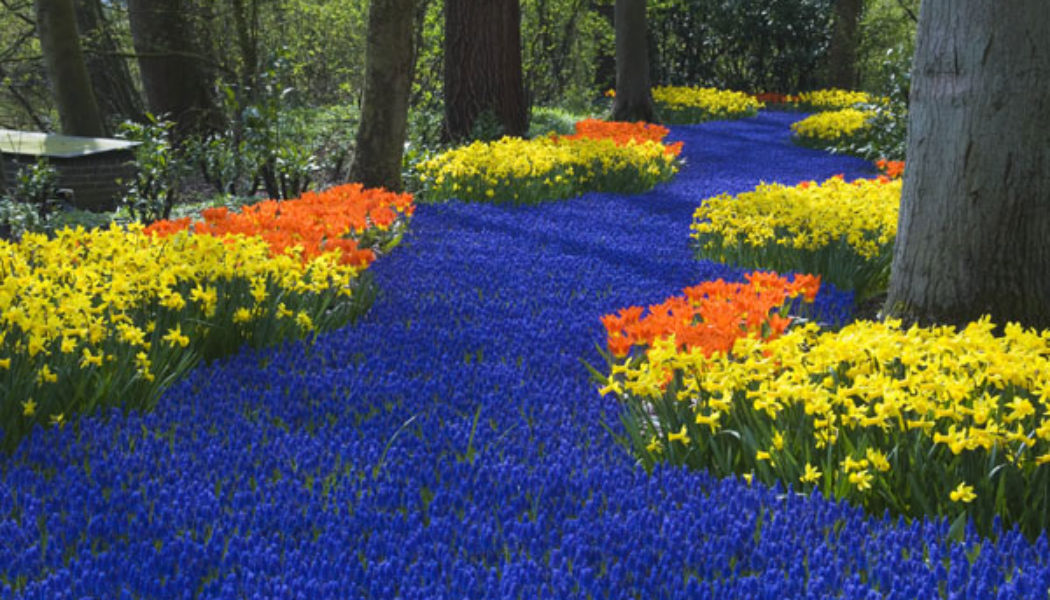
Article by Radenka Kolarov Jardin des Rives by Studio Basta in Amiens, France. Les Hortillonnages d’Amiens is an area that stretches alongside the Somme River. Since Roman times, the land has been hard and unusable so food was cultivated on small islands in the water. In modern times, the food crops were largely lost, leaving many islands unused and without a purpose. The MCA wanted to change this and with the help of Studio Basta organized a festival for art and gardening in this area. Inspired by the ancient Roman islands, still found on the water, Studio Basta built two wooden terraces that include benches combined with native plants arranged in a perfect order of color and composition. History As an Inspiration? There are projects all around the world that have used the history o...Read More