


The Lazy Photographer’s Guide to Photoshop

The Lazy Photographer’s Guide to Photoshop
Have you ever taken a photograph and uploaded it only to find out later that someone has photo bombed your family photo or the exposure wasn’t right on that killer landscape shot? You are in good company. Whether you are a seasoned professional or a selfie guru, it is inevitable that some of your photos will be botched. Don’t worry. Landscape Architects Network has a few Photoshop tips that can help you redeem your lazy photography habits. Landscape Architects Network reached out to European travel photographer and editor at HDR One Magazine Jimmy McIntyre and American nature and design photographer J. Paul Moore or their tips for the Lazy Photographers Guide to Photoshop. Here’s what we all came up with. Use Adjustment Layers to Make BIG changes The first set of tools that you need in you...Read More


Top 10 Sacred Trees
The significance of trees to Mother Earth and to us humans is immeasurable. Since the dawn of time, these majestic living organisms have been a strong feature in folktales, history, paintings, and other forms of culture and art. Their awe-inspiring shapes and strength — sometimes daunting — can invoke a powerful sense of spirituality. For centuries, civilizations have praised trees as a symbol of worship, celebration, and death; some rituals persist today. Based on aesthetic or religious significance, the following list of 10 sacred trees is meant to acclaim the spiritual relationship between humans and trees. 10. Willow Tree Image credit: Tshooter/shutterstock Willow trees from the genus Salix come in all sorts of varieties and shapes. Most species of this tree thrive in ripar...Read More


Land8’s 2013 Year in Review Recap
Happy New Year’s Eve everyone! We hope you enjoyed the Land8 countdown to the New Year with our 2013 Year in Review series. To commemorate the very last day of 2013, here’s a series recap as well as a look back on a few of our other exciting highlights! 10 Stunning Landscape Architecture Albums of 2013 Rich with creativity and vision, the Land8 Gallery is a fantastic resource to show off your work or to collect inspiration for your upcoming project. READ ON –> Top 10 Landscape Architecture Discussion Threads of 2013 The Land8 Forum, which includes an archive of over 2,500 individual threads and fourteen sub-categories, continues to offer a wealth of knowledge for everyone from the prospective landscape architecture student to the professional seeking technical advice....Read More
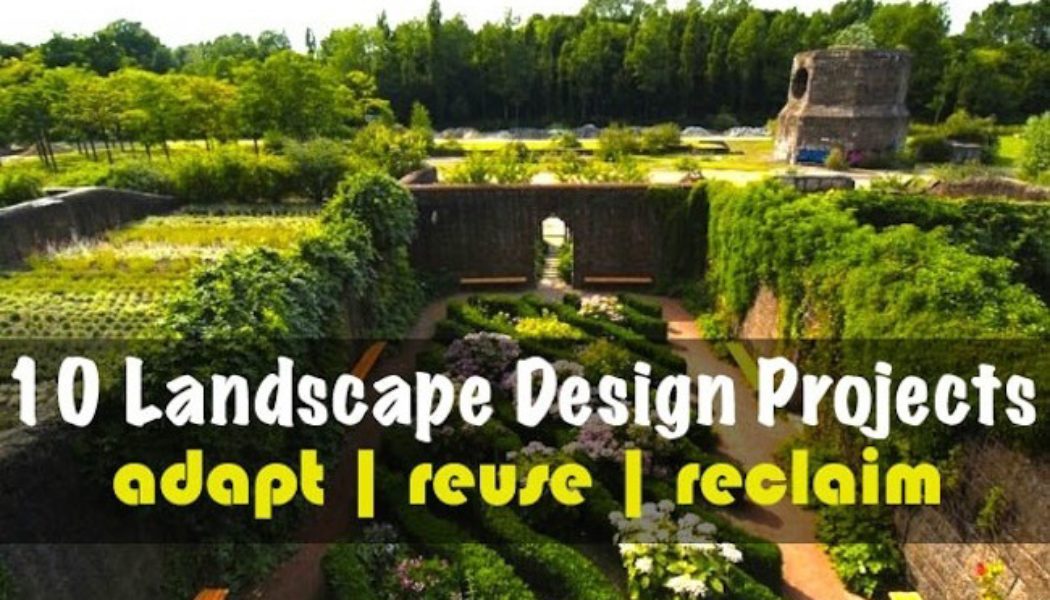

10 Inspiring Landscape Architecture Reclamation Projects
Adapt Reuse Reclaim: 10 Landscape Design Projects That Turned Damaged, Neglected Places into Healthy, Beautiful Environments Landscape architects frequently work to transform areas that contain industrial and toxic waste, infrastructure no longer in use, or land affected by war, natural disaster or disuse. These neglected places, while often having a negative impact on the environment and surrounding community, are simultaneously part of our cultural heritage. To highlight the significance of these spaces, and the potential that they hold to become something more than a blight, I showcase a range of projects that illuminate how designers use unlikely opportunities to transform landscapes into spectacular spaces—all while preserving their historic and cultural meaning. These 10 case studies...Read More
10 Most Viewed Land8 Landscape Architecture Groups of 2013
Hope y’all are enjoying the winter holidays! For the final week of our 2013 countdown, we’re taking a look at the top 10 most viewed Land8 landscape architecture groups of 2013. Unlike our more general Discussion Forum, each Land8 group features a separate sub-forum and commenting system with a focus on a specific topic. Thanks to your input, Land8’s 250+ groups have grown into valuable resources for landscape architecture. Hit the jump to see which groups were the most popular this year! 1. SketchUp created by John Pacyga A place to discuss SketchUp: help, tools, and processes to make it work for Landscape Architects. 2. Portfolios and Resumes – Design Strategies created by Jennifer de Graaf Resumes, Portfolios, leave-behinds, mailers, digital and in print! Lan...Read More


Filmtastic Fridays: Winter
For many of us, winter is a bone-crushingly cold time of the year filled with long dark nights and barren, quiet landscapes. But in this short and moving film, videographer Paul Klaver captures the poetic beauty of winter through carefully crafted scenes of the frozen Dutch landscape. From the description: “Shot in Dutch nature reserve the Oostvaardersplassen during the production of De Nieuwe Wildernis (The New Wilderness). This was one of the coldest winters in Holland with record breaking temperatures.“ Winter from Paul Klaver on Vimeo. Missed last week’s Filmtastic Friday? No worries, you can check out our full archive of featured films here.


10 Most Popular Land8 Blog Posts of 2013
It’s been a busy year here on Land8–and we’ve published some of our best blog posts yet. Thanks to our talented contributors, we’ve toured landscapes around the world, counted down the winners to our fantastic design competitions, and reviewed the latest technological innovations to hit the field. Keep scrolling to read our best landscape architecture blog posts of 2013! 1. Urban Agriculture: 8 Landscape Architecture Firms Leading the Way by Abbagail Jewel Taddei There are few landscape architecture firms today that can say Urban Agriculture Design is on their shortlist of services offered. Most firms are capable of designing a productive space, of course, whether or not they can say they specialize in this area of design is another matter. Below are eight North A...Read More

Landscaping With Australian Plants l Book Review
As a landscape architect, possessing at least a modest repertoire of plant knowledge is a fundamental skill. More often than not the horticultural aspect of your time at university is rather brief – so if you’re not already versed in verdure, you need to take matters into your own hands! An absolute mastery of horticulture isn’t compulsory, but it’s important to remember that plants are one of our principle forms of expression within the landscape, and our countries native species link us to our land and give us a sense of place. Making this book on Australian plants all the more important. What is this book about? From arid deserts to coastal dunes, many of Australia’s tens of thousands of different indigenous plants have for the past two centuries been culti...Read More


Sketchy Saturday | sponsored by Sprout Pencil – No. 007
It’s time for our seventh installment of Sketchy Saturday sponsored by Sprout Pencil where we feature work from Sketch Boston a field session offered at the ASLA 2013 Annual Meeting & EXPO in November along with a few additional sketches from our fans. We would like to congratulate all of the sketchers that participated in Sketch Boston and sent us their exciting sketches. While it was a tough decision, we had to narrow it down to 10. Here is our selection. 10. Vongvasu Chaloisap, VVdesine “This development provides this “Home coming feeling” right at the entrance by multi layers of greenery to all residents, either they drive, bike or walk back to their home”. 9. Mohamad Diab This sketch was selected for its busy imagery and attention to detail, while still allowin...Read More


Filmtastic Fridays: Waterplein Benthenplein
Water is everywhere this week! Inspired by Eliza Pennypacker’s PSU Artful Rainwater Design post, this week’s Filmtastic Friday continues the spotlight on stormwater management with a feature on Waterplein Benthenplein, the world’s first water square. Completed this year in Rotterdam by urban research and design firm DE URBANISTEN, the water square doubles as a recreational center and an educational showcase for stormwater management. From the description: “On the Benthemsquarein Rotterdam the worlds first water square will be realised, an attractive city plaza that offers space for water, sports and greenery. The water square combines water storage with the improvement of the quality of urban public space. The watersquare makes money invested in water storage faci...Read More


HDR and Digital Blending Courses
Are you ready to take your post-processing skills to incredible new heights and create images that make your audience say ‘wow’? Photography is a big deal in the profession of landscape architecture, not only is it vital for site analysis but it helps sell projects to prospective new clients, showing them just how professional you can be with your photography and showing your work in the most impressive way imaginable. Maximizing your photography skills will always be of benefit to both the emerging and professional landscape architect. Top photographer Jimmy Mcintyre from Through Strange Lenses has teamed up with Landscape Architects Network to offer online courses at a discounted rate for all LAN readers of 15% with the code: landarchs Offer expires in 72 Hours What people are saying abo...Read More


10 Ways Design Students Fail Projects and How to Avoid Them
We’ve all experienced it at some point — that sinking feeling when you know a landscape project isn’t going to pass. Toe-curling anger, frustration, regret, shame, embarrassment … and that’s just the tutors. There are many reasons why landscape architecture student projects fail to achieve a passing grade, and over the last decade, I’ve seen and heard just about all of them. Often, students focus on the poor grade as the primary negative. It’s not. The true downsides of project failure include the impact on self-esteem, confidence, and motivation and the impact on proceeding projects. To help you make sure projects get through the grading process unscathed, I’ve put together a list of key things to keep in mind. The list is not exhaustive, but it should help. 10. I love your Caesar s...Read More