


Enter Our Instagram Contest to Win FREE Registration to the 2014 ASLA Conference!


Enter Our Instagram Contest to Win FREE Registration to the 2014 ASLA Conference!
Want to win FREE registration to next year’s ASLA conference? Enter our fabulous new Instagram contest and you could land a complimentary pass to the 2014 ASLA Annual Meeting & EXPO in Denver, CO! Read on for the full contest details! With this year’s ASLA conference just around the corner, Land8 is partnering with ASLA to celebrate landscape architecture in Boston by giving all conference-goers the chance to turn their fantastic Instagram photos of the Boston landscape into a chance to win free registration! All you have to do to win is: 1. Follow both @landscapearch and @land8 on Instagram (you must follow both to be eligible) 2. Stop by the ASLA Commons social media lounge at the EXPO on Saturday November 16 to pick up the ASLA and Land8 logos 3. Snap pictures of the log...Read More


Eight Lessons for Recent Landscape Architecture Graduates
I am a 2011 graduate of Ball State University’s BLA program and I am proud to say that I work in the residential design field. However, if you had asked me four years ago where my future would take me, I would never have guessed correctly. Let me explain why. Of the many lessons learned and attitudes absorbed in an undergraduate landscape architecture program, there is one that is especially contagious – the stigma against residential design as a valid career choice. It may start in the form of offhand comments from professors or a witty T-shirt boasting “I’m an LA and I won’t design your garden!” No matter the avenue, this stigma may be detrimental to the career of a recent graduate. In LAM’s May 2013 issue, editor Bradford McKee suggests that LAM’s readers might want to take medication b...Read More
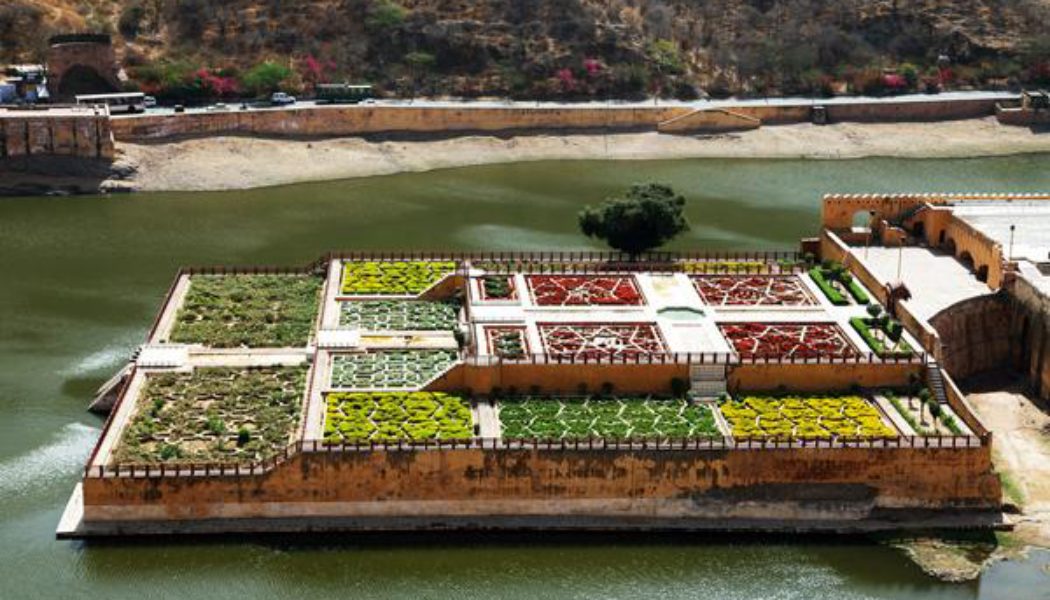

10 Things I Wish I Had Known When I Was a Landscape Architecture Student
Having progressed through a three-and-a-half-year undergraduate degree and a two-year part-time postgraduate program in landscape architecture, followed by another year on the Landscape Institute’s Pathway to Chartership, I sorely wish I had known then some of the things I know now. It certainly would have saved me some time and effort. Here are the Top 10 things I wish I had known while I was a landscape architecture student. 10. Other professionals and consultants have a lot to bring to the project, and it is worth getting to know them. While at university, I wasn’t fully aware of the specialist knowledge of other professionals. I knew architects designed buildings and engineers could make it happen, but knew little else. Planners, ecologists, archaeologists, arborists, air quality...Read More


10 Great Interview Tips For Graduate Landscape Architects – The Essential Guide
Let’s be honest, going for an interview for a job is a daunting experience. Unless you have nerves of steel or have an uncanny knack for not feeling fear – a job interview can be up there in the adrenalin category with speaking in public and even bungy jumping for some people! Graduate landscape architects have an even more arduous task on their hands when compared to other professions, as not only do they need to possess a unique skill set, they must also produce examples of previous work. What are the top 10 tips for graduate landscape architects in today’s demanding and increasingly competitive field? 10. Answer every interviewer’s ultimate question Every aspect of going for an interview, including all the preparation items, everything you should and shouldn’t do and all post inte...Read More


Filmtastic Fridays: Laurie Olin Explains His National Gallery of Art Sculpture Garden Design
Today, Land8’s Film-tastic Friday offers a sneak peek into The Cultural Landscape Foundation’s (TCLF) upcoming new series featuring National Medal of Arts winner and landscape architect Laurie Olin. Kicking off with design insights into the National Gallery of Art Sculpture Garden, the Laurie Olin Pioneers Oral History will go live on Tuesday, November 12. Hit the jump for the video! From the description: “Learn the design precedents which contribute to this Washington, D.C. outdoor gallery space. This clip is part of a series of richly illustrated interviews with landscape architect Laurie Olin, offering intriguing insights into his life, career, design philosophy and the concepts behind his legacy projects. Visit The Cultural Landscape Foundation’s website (http...Read More
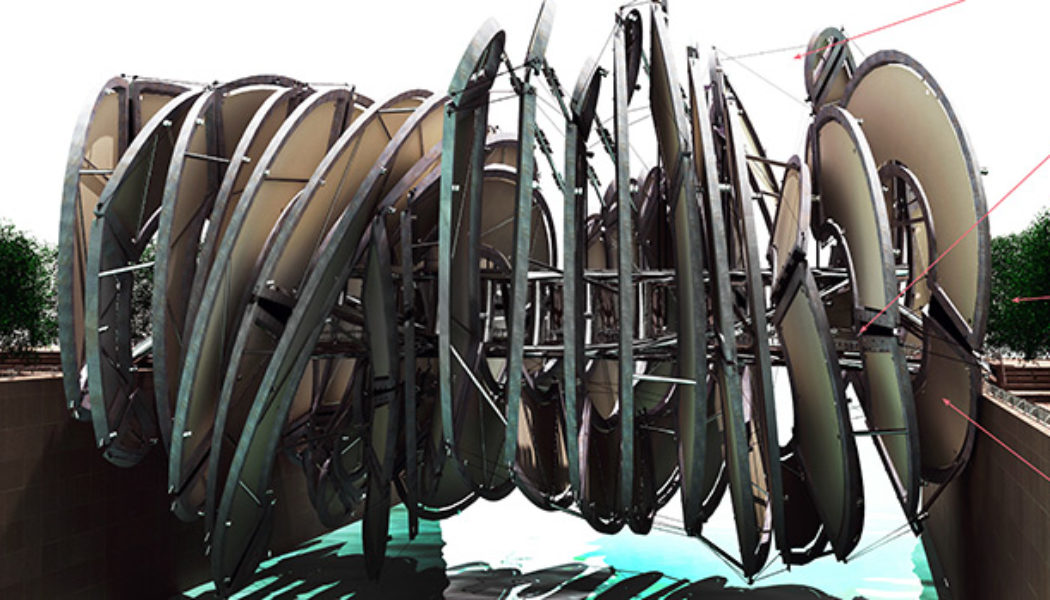

Top 10 PLAYscapes Competition: Professional Category
Building Trust International has released the winners and honorable mentions for the PLAYscapes competition. In this Top Ten, we will be traveling to underused and undervalued areas from Melbourne to Mumbai and from Cape Town to Madrid to see how professionals have re-imagined these dark corners as places for play. 10. StairScape — New York, USA Located on Bowery in the Lower East Side of New York City, a former asphalt yard is turned into a small, playful space. Stairscapes accommodates those who want to either rest or play, challenging traditional ideas of a city bench and a pocket park. It aims to be a “new civic space for all” that provides customers in adjacent shops with extra seating and a space for office workers to enjoy a relaxing lunch and break time, for families to enjoy...Read More
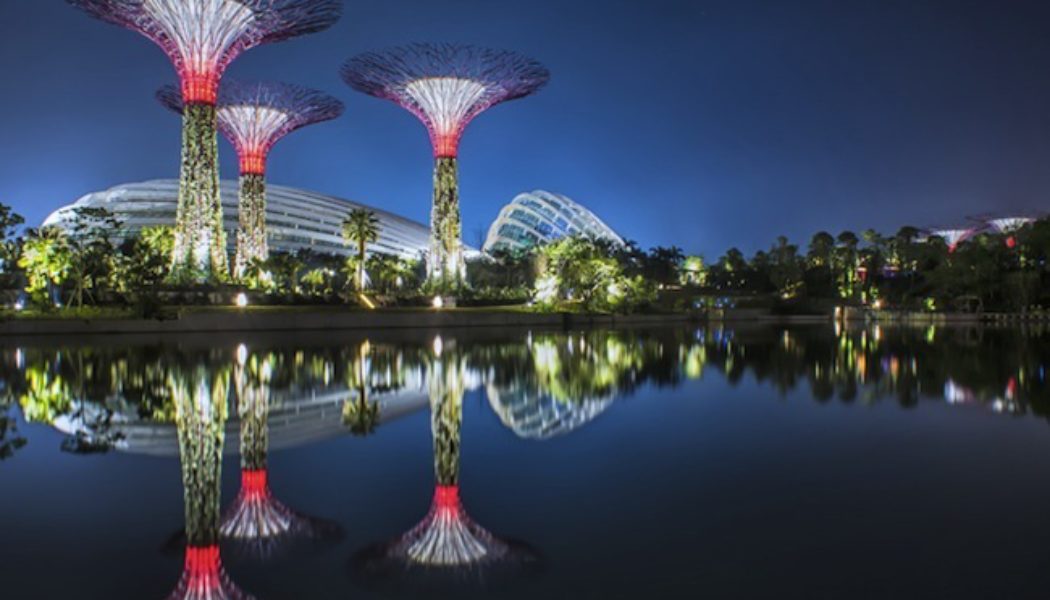

Filmtastic Fridays: Experience the Award-Winning Gardens by the Bay in Singapore
Happy Friday! For this week’s Film-tastic Friday, Land8 explores landscape architecture firm Grant Associates’ award-winning ‘Gardens by the Bay’ in Singapore. Hit the jump for the video! From the description: “Masterplanned by Grant Associates, Gardens by the Bay is a remarkable blend of nature, technology, environmental management and imagination. Andrew Grant, director of UK landscape architects Grant Associates, walks around Gardens by the Bay in Singapore, reflecting on the ideas and inspirations behind the the design of the spectacular Supertrees, Cooled Conservatories and Themed Gardens. Having trouble viewing the video? Try this video link. + Grant Associates


DesignIntelligence Announces Best Landscape Architecture Schools for 2014
DesignIntelligence has just released their list for the best landscape architecture schools of 2014 with some interesting new insights. Penn State University leads this year’s undergraduate pack, snatching the coveted position as America’s top BLA program from Louisiana State University, which held the number one position for the past three years. And for the tenth year in a row, Harvard University still dominates the ranks as the best graduate landscape architecture program in America. Keep reading to see if your school made the list! Every year, DesignIntelligence surveys hundreds of selected professional practice leaders–over 300 different landscape architecture firms participated this year–on questions ranging from their biggest concerns about the profession to ...Read More
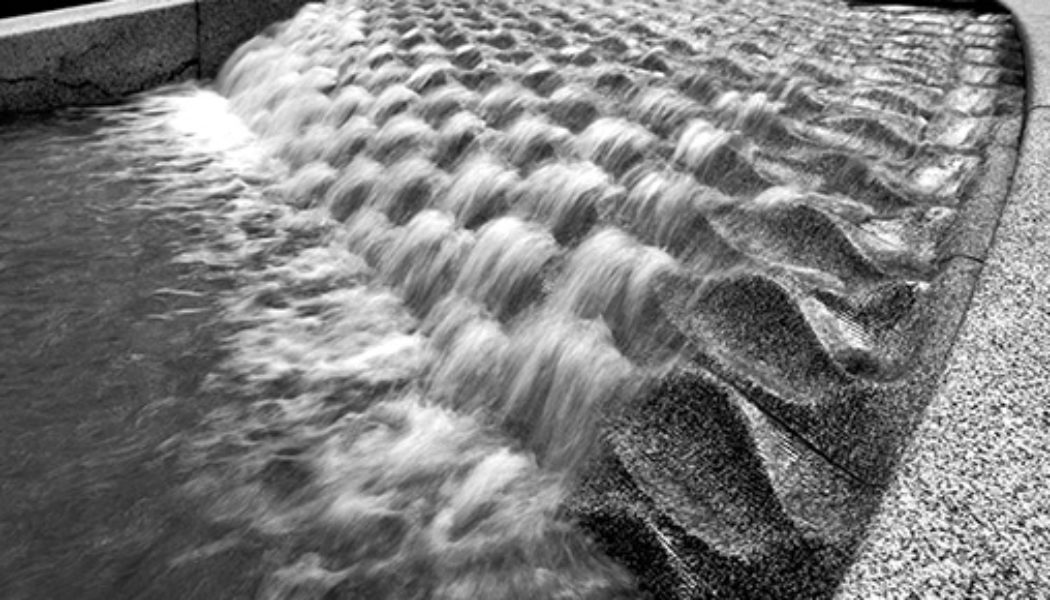

Diana Memorial Fountain: “Reaching Out, Letting In”
What happens when a memorial is rested with the intention that it will be occupied as an everyday space? What happens when the loss of a person is not remembered with an old tradition of an inscribed plinth but created as a space that allows people to embody the whole experience of joy and commemoration? “Reaching Out, Letting In” is the title of Gustafson Porter’s high-profile and highly controversial memorial fountain to the most loved princess in Britain — Princess Diana. The concept of the Diana Memorial Fountain: “Reaching Out, Letting In” embodies the qualities of the Princess of Wales that made her so loveable: her inclusiveness and her accessibility. The fountain is a sculptural element in its own right; its presence draws people toward the space, yet has a gently expansive e...Read More


Famous Graffiti Location “5 Pointz” Set to be Demolished
New York City’s best display of public art is in a fight for its life. The 5 Pointz, located in Long Island City, Queens, has long been a haven for artists to express their work and even build a career. The building’s exterior is covered with aerosol art dating back to the early 1990s, earning it the distinction of New York’s “Graffiti Mecca.” On the inside, it has provided studio space to up to 200 artists at a time, giving them a place to grow their craft at below market value. The turning point On August 21, 2013, the New York City Planning Commission unanimously voted to approve plans to build condos on the 5 Pointz site. In a recent hearing, owners of the site got a judge to delay the demolition of the converted warehouse by 10 days with their first restraining order. This should buy ...Read More


Land8 Announces Film-tastic Fridays! Interview with Landscape Architect Walter Hood
Land8 is kicking off November with the launch of Film-tastic Fridays! Every Friday, we’ll start your morning off with a short and inspiring landscape architecture-related video. Hit the jump for the video! Architectural Digest and Delta focus their spotlight on Walter Hood. From their description: “Number two in a series for Architectural Digest magazine and Delta. Focusing on Walter Hood, a landscape architect who transforms public spaces into community gathering places.” Architectural Digest & Delta Present Walter Hood from Guggenheim Productions on Vimeo. +Hood Design Studio


ASLA Announces Resiliency as Major Topic for Annual Meeting 2013
In remembrance of Superstorm Sandy’s one year anniversary, ASLA unveiled a collection of talks focusing on greater urban resiliency as scheduled in the upcoming 2013 Annual Meeting. As coastal cities face increasing frequency in extreme weather events, landscape architects are paving the way towards greener, more resilient urban design. Read on for the full list of talks! From November 15 to 18, the 2013 ASLA conference will gather over 6,000 landscape architecture professionals and students to Boston, MA for an exciting four-day discussion of important issues from sustainability to stormwater management. This year’s 2013 ASLA Annual Meeting & EXPO will be guided by the theme “Gaining Ground,” a message that reflects landscape architecture’s growing recogn...Read More